Company profile for Polpharma API

API & Services Provider in Poland


European API Manufacturer, CDMO for APIs (Small Molecules & HPAPIs), USFDA, EMA Certified

Polpharma API
Polpharma-PSE
Data Compilation

PharmaLab Congress

Industry Trade Show


Not Confirmed

23-25 November, 2026

Darmstadt, Germany

Book a Meeting

Contact this supplier


Phone

+48 585631600

Email

api@polpharma.com

Latest Content by PharmaCompass

speak-pharma/automating-quality-by-design-how-digitization-helps-embed-quality-in-api-manufacturing
PharmaCompass
Poland
114 APIs
40 USDMF
23 CEP/COS

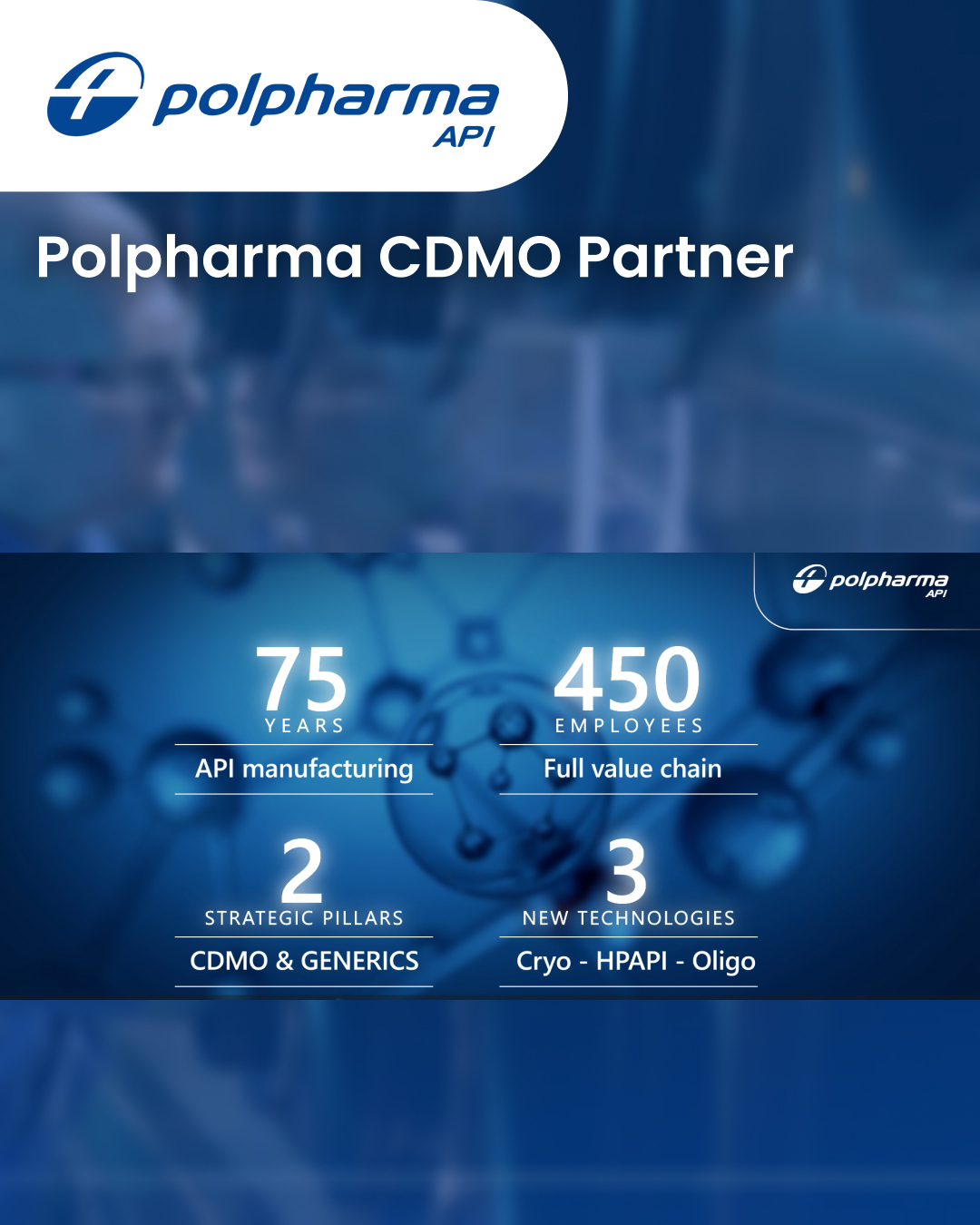
European CDMO and Gx manufacturer with 75 years of experience in delivering premium APIs to pharmaceutical partners worldwide.

About

Polpharma API, a division of a leading Polish pharmaceutical group, has over 75 years of expertise in process development and cGMP manufacturing. Based at an FDA-approved site in Central Europe, it offers comprehensive API services from development to scale-up. Specializing in small molecule clinical candidates, Polpharma delivers customized, high-quality solutions with strong regulatory knowledge and advance...

Polpharma API, a division of a leading Polish pharmaceutical group, has over 75 years of expertise in process development and cGMP manufacturing. Based at an FDA-approved site in Central Europe, it offers comprehensive API services from development to scale-up. Specializing in small molecule clinical candidates, Polpharma delivers customized, high-quality solutions with strong regulatory knowledge and advanced infrastructure. Globally recognized for complex chemistry, it is committed to precision, partnership, and progress. Note: Product(s) under patent(s) are offered only for R&D purposes as per the Patent Act & not for commercial sale.

TRADE SHOWS

CONTACT DETAILS

Click the arrow to open the dropdown
Poland Flag
Poland
Pelplińska 19, 83-200 Starogard Gdański
+48 585631600

Events

Webinars & Exhibitions

Default Event

PharmaLab Congress

Not Confirmed

envelop Contact Supplier

PharmaLab Congress

Post an Enquiry

Meeting

Digital content read-more

Explore the latest content creation from this company

SUPPLIER INTERVIEW #SpeakPharmaSUPPLIER INTERVIEW #SpeakPharma

5read-more
read-more
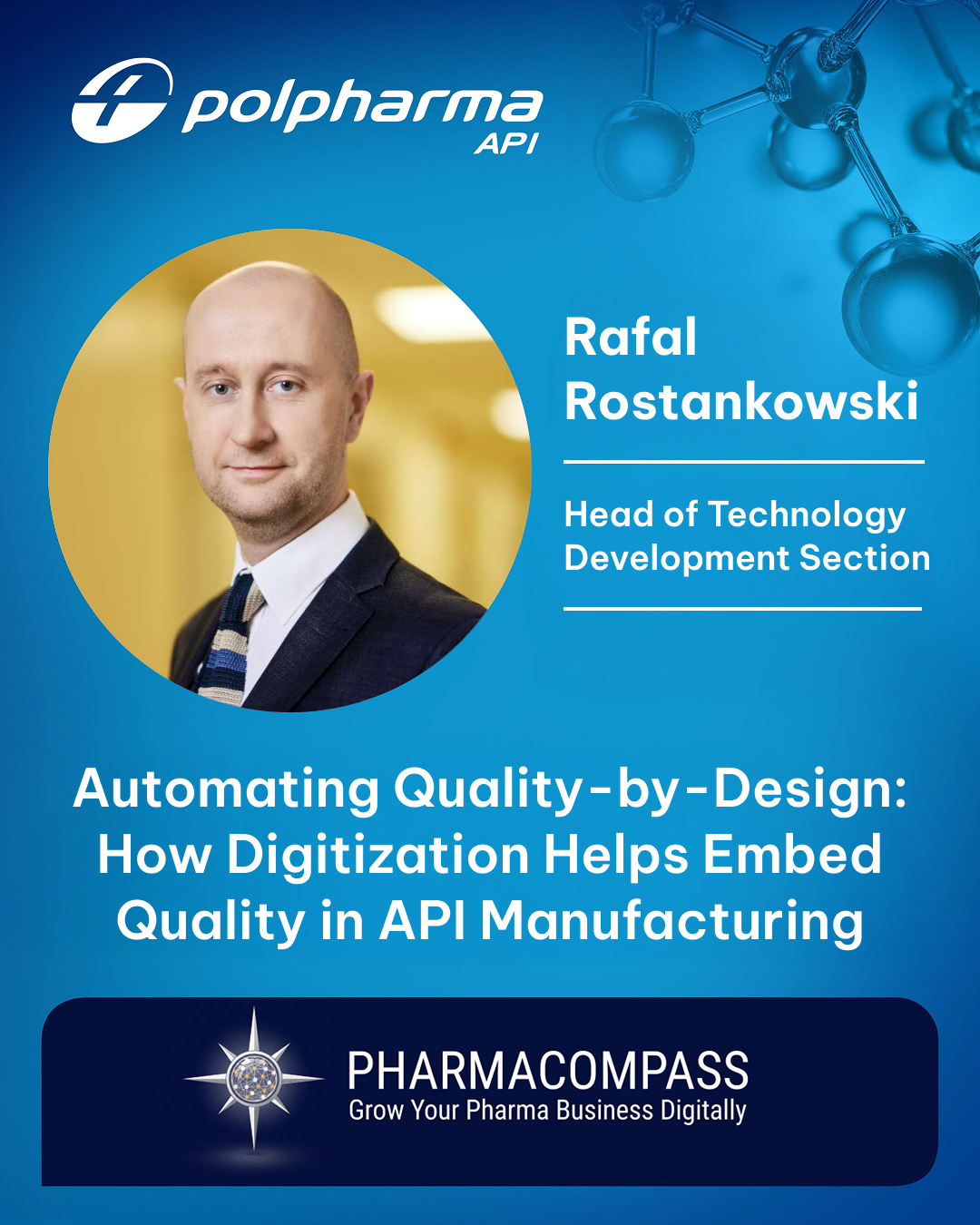
Automating Quality-by-Design: How Digitization Helps Embed Quality in API Manufacturing
API development is full of small decisions that can create significant downstream consequences: how data is entered, how a batch is documented, how a deviation is escalated, how a method is transferred, and how process knowledge is preserved when teams or sites change. In a manual environment, these handoffs depend heavily on human memory and discipline. Even highly skilled teams are vulnerable to errors in such a complex setting. Digital systems and automation, by contrast, enable CDMOs to proactively enforce quality, improve reproducibility, and maintain control and knowledge throughout the entire development lifecycle. This is why digitization in API manufacturing should not be viewed as a convenience layer, but as an integral part of the control strategy. In the following article, Rafal Rostankowski, Head of Technology Development Section at Polpharma API, shares his perspective on how today, the combination of automated workflows, process control, and advanced analytics is transforming how APIs are developed, tested, and scaled. A shift that aligns closely with the FDA’s PAT framework, ICH Q8/Q9/Q10, and the broader industry move toward quality-by-design in pharmaceutical development. The added value of digital systems  In practice, the greatest gains come from systems that reduce the opportunity for error before it occurs. Process control platforms, for example, support the core idea behind PAT: timely measurement and control of critical process attributes, enabling real-time understanding and management of processes. QbD extends this approach by identifying sources of variability and managing them through structured design and control strategies, ensuring quality is built-in from the outset. Automation, therefore, plays a critical role not only in manufacturing but also in development. Well-designed systems enforce process sequences, prevent incorrect actions, maintain version control, and create complete audit trails. This means fewer transcription errors, fewer undocumented workarounds, and stronger alignment between what was done and what was recorded. Just as importantly, critical process knowledge is systematically captured and retained, rather than relying on individual experience  obustness, not just validation ICH Q2(R2) emphasizes that robustness testing should demonstrate the reliability of a method under deliberate variations in parameters, and that it should be considered during development. It also highlights the importance of intermediate precision, accounting for variability across analysts, equipment, days, and environmental conditions. In API R&D, where development and transfer are rarely linear, this becomes particularly important. A method that performs well in one laboratory must remain reliable across different environments, instruments, and teams. Structured digital workflows and comprehensive data capture make it easier to distinguish between methods that are truly robust and those that only appear stable under controlled conditions. Operational benefits for CDMOs For a CDMO, automation and digitization are not optional enhancements. Their value lies in making quality more consistent, transparent, and defensible. The most effective systems guide decision-making, reduce variability, strengthen data integrity, and support smoother tech transfer. These capabilities are enabled by a set of integrated digital tools, each addressing a specific aspect of quality and process control, for instance: • Human-proofing with Distributed Control Systems (DCS): DCS platforms use interlocks, automated safeguards, and alarm hierarchies to prevent hazardous or erroneous operator actions. By separating operator interfaces from control logic, they ensure that incorrect inputs cannot compromise a process or batch. This is particularly important in complex operations such as crystallization or continuous manufacturing, where even small deviations can impact critical quality attributes • Workflow enforcement and traceability with Electronic Laboratory Notebooks (ELNs) and  Laboratory Information Management Systems (LIMS): Modern digital laboratory environments rely on both ELNs and LIMS. ELNs support experiment documentation and knowledge capture in R&D, while LIMS streamline sample management and testing workflows in QC laboratories. Together, they reduce manual data handling, improve reproducibility, strengthen traceability, and support data integrity throughout the product lifecycle. • Proactive risk management with TrackWise: TrackWise allows CDMOs to move beyond reactive deviation handling. Its predictive risk assessment capabilities automate CAPA workflows, track effectiveness, and integrate seamlessly with change control systems. This supports faster response times, reduces recurrence of deviations, and strengthens overall quality managemen • Robust tech transfer with Electronic Document Management Systems (EDMS): Tech transfer is one of the most error-prone stages in API development. EDMS platforms address this by providing structured documentation, layered verification, and electronic validation. Combined with IoT-enabled monitoring and advanced analytics, they help preserve process knowledge and ensure consistent execution during scale-up. • Digital twins for predictive control: Digital twins create virtual representations of processes, assets, or facilities by integrating IoT and PAT data. These models enable simulation, prediction, and optimization of operations before they are executed in reality. At Polpharma API, digital twins support API synthesis, crystallization, and purification by enabling virtual tech transfer, early identification of potential issues, and reduced reliance on trial-and-error experimentation. • Regulatory readiness by design: Digital systems embed compliance directly into daily operations, ensuring that data is accurate, traceable, and audit-ready in line with FDA expectations, including 21 CFR Part 11. By structuring workflows and preserving process knowledge, they simplify regulatory inspections and approvals. What this looks like at Polpharma API At Polpharma API, digitization is a core part of how we develop and manufacture APIs. It is embedded in our broader Industry 4.0 transformation, alongside capability building and a production system focused on quality, compliance, and continuous improvement. In practice, this means connecting data across the entire process. Solutions such as Electronic Shift Handover ensure continuity between teams, while our Digital Twin initiatives integrate data from multiple sources, including ERP systems, equipment sensors, and batch documentation. This provides a more complete and actionable view of operations, enabling earlier identification of improvement opportunities and better-informed decision-making We also leverage digital platforms that support daily operations, from training and maintenance to process supervision. These systems provide real-time KPIs, predictive insights into asset performance, access to technical documentation, and structured operator support. The result is not only greater visibility, but more consistent and reliable execution. By embedding digital tools into routine workflows, we strengthen process control, reduce variability, and ensure that quality is maintained throughout the entire API lifecycle. To see how these capabilities translate into real-world API development and manufacturing performance, visit: https://www.api.polpharma.com/cdmo

Impressions: 3250

https://dev1.pharmacompass.com/speak-pharma/automating-quality-by-design-how-digitization-helps-embed-quality-in-api-manufacturing

PharmaCompass
23 Jun 2026

SUPPLIER VLOG

1
read-more
Polpharma stands as your premier European CDMO partner and API supplier, offering end-to-end solutions from pre-clinical development to commercial manufacturing, with specialized capabilities in high-potent API production and cryogenics.

Impressions: 1878

read-more

CORPORATE CONTENT

10

PHARMA & BIOTECH INSIGHTS #PharmaFlo...PHARMA & BIOTECH INSIGHTS #PharmaFlow

5read-more
read-more
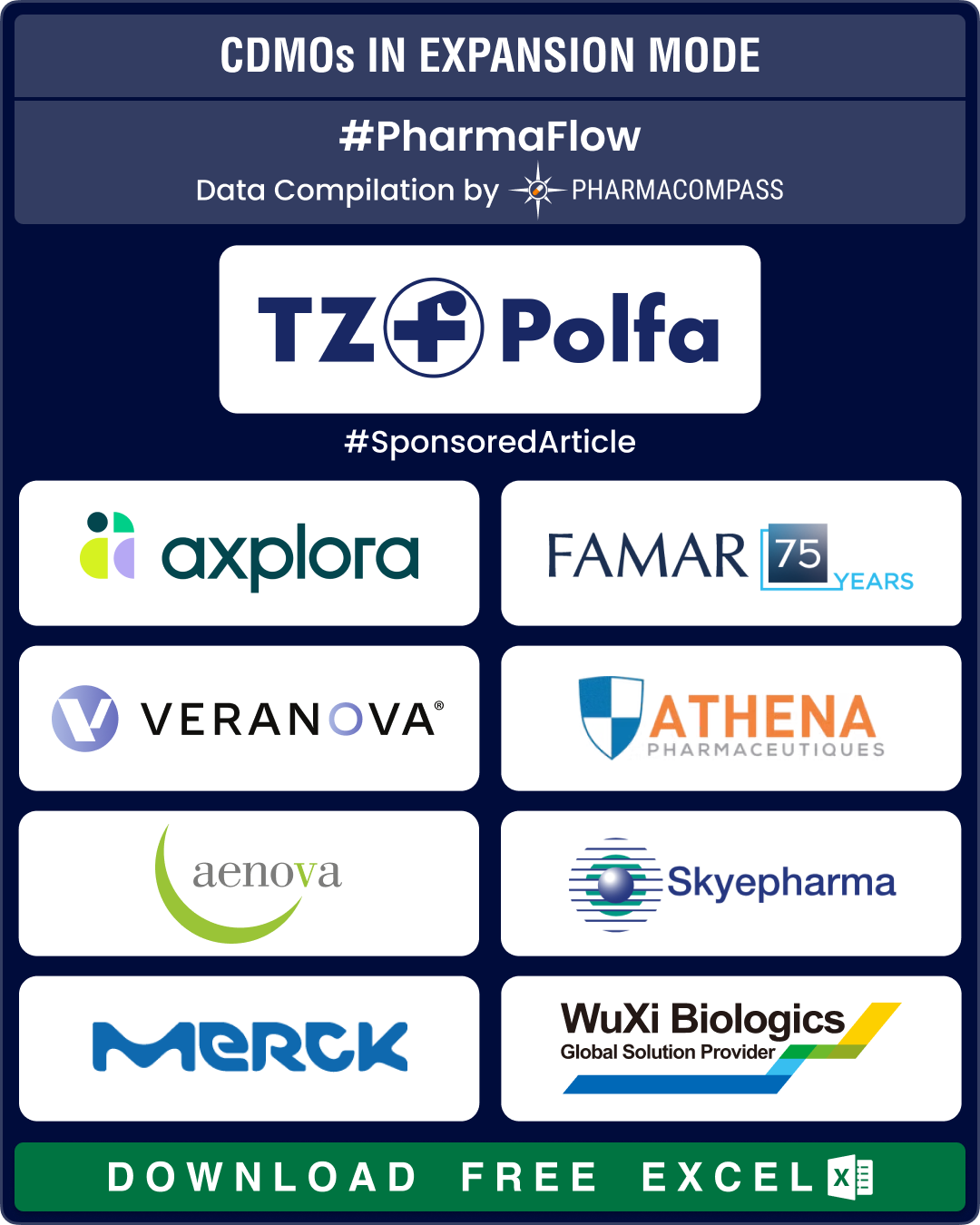
CDMO Activity Tracker: Quotient advances AI-designed oral drug product into trials; Axplora, Veranova, Evonik expand HPAPI capacity
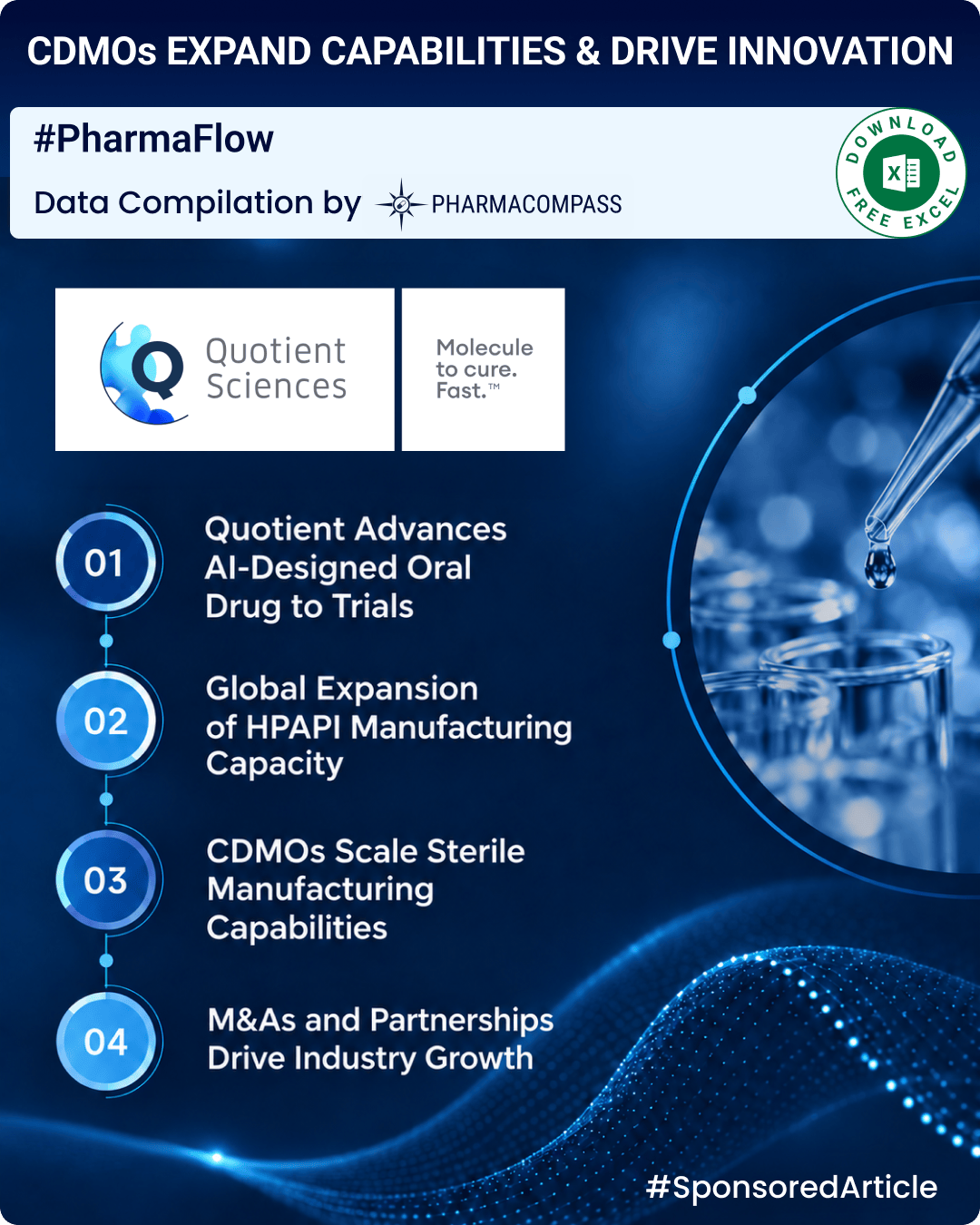
The contract development and manufacturing organization (CDMO) sector has emerged as a key partner in new drug development. Activity Tracker has written about several changes in the past. Amongst the foremost is the use of artificial intelligence in accelerating process development, improving manufacturing efficiency, optimizing supply chains, and enabling more integrated, value-added services for pharmaceutical and biotech companies. Quotient Sciences is one such CDMO that is focusing on AI-enabled drug development. High-potency active pharmaceutical ingredient (HPAPI), or a chemical compound that produces major therapeutic effects at very small doses, have been gaining prominence. Many CDMOs, such as Quotient Sciences, Axplora, Veranova and Evonik, are expanding their HPAPI facilities, while others such as Aurigene Pharmaceutical Services are expanding their capabilities across small molecules, peptides, and biologics.  View CDMO Activity Tracker for Jan–Aug 2026 (Free Excel Available)Quotient advances AI-designed drug product into trials; Recipharm expands US capabilities  Quotient Sciences, a globally integrated contract research, development, and manufacturing organization (CRDMO) specializing in drug product development has advanced an AI-designed oral drug product into a phase 1 clinical study following  approval from the Medicines and Healthcare products Regulatory Agency (MHRA). The experimental drug combines machine learning with Quotient’s Translational Pharmaceutics platform to accelerate formulation development and clinical progression. Separately, Ipsen has invested in new equipment at Quotient Sciences’ facility in Boothwyn, Pennsylvania. The investment expands Quotient’s capability to manufacture HPAPI drug molecules and products. Recipharm has announced a multi-million-dollar investment to expand its US sterile fill-finish capabilities for biologics and advanced therapies. German CDMO Vetter Pharma has announced plans to build a state-of-the-art  commercial manufacturing facility in Saarland, Germany, as part of its €1.5 billion (US$ 1.73 billion) global investment plan. The first phase includes an investment of approximately €480 million (US$ 554 million) to significantly expand the company’s sterile injectable manufacturing capacity. Curia has expanded its Glasgow, UK sterile drug product facility by adding a vial filling line and lyophilizer. The company also enhanced its proprietary platform to accelerate biologics development and manufacturing. And Bachem plans to invest more than CHF 500 million (US$ 610.6 million) in a new large-scale production facility in Sisslerfeld, Switzerland, with commercial production expected to begin in 2030. Polpharma acquires Biofarm; Lone Star Funds to buy Lonza’s capsule & health ingredients unit  Polpharma has acquired Romanian pharmaceutical company Biofarm, strengthening its position in Central and Eastern Europe. The transaction expands Polpharma’s regional pharmaceutical manufacturing and commercial footprint. Separately, the Polish drugmaker has also invested PLN 238.7 million (US$ 63.4 million) in Starogard Gdański, Poland, to develop and manufacture RNA-based medicines, creating an end-to-end platform covering API synthesis, process development, analytics and finished drug product (FDF) manufacturing. Lone Star Funds has agreed to acquire Lonza’s Capsules & Health Ingredients (CHI) division for an enterprise value of CHF 2.3 billion (US$ 3 billion). The transaction is part of Lonza's transformation into a pure-play CDMO, with Lonza retaining a 40 percent equity stake in the CHI business. ChemExpress and Orivie Technology entered into a strategic partnership — the two companies will work to build an integrated CRO/CDMO service ecosystem. And Samsung Biologics completed the acquisition of GSK’s biologics manufacturing facility in Rockville, Maryland, thereby establishing its first manufacturing presence in the US. India-based Neuland Laboratories is investing in a dedicated process-development facility and has  also entered into a long-term strategic partnership with Gland Pharma focused on sterile API manufacturing. Under the agreement, Gland Pharma will establish a dedicated sterile manufacturing suite at its facility in Visakhapatnam. And India-based Aarti Pharmalabs has commissioned a new manufacturing block at its Tarapur facility in Maharashtra. Axplora, Veranova, Evonik expand HPAPI capacities; Mikart, Benuvia join hands for API development Germany-based Axplora has announced a US$ 60 million expansion of its Farmabios facility in Italy to increase its HPAPI manufacturing capacity. The investment strengthens its capabilities in oncology manufacturing and supports growing global demand for complex HPAPIs. Veranova is expanding its Devens, Massachusetts facility that focuses on high-potency and bioconjugation manufacturing. The expansion includes a new process-development laboratory and two HPAPI suites. Evonik has announced a US$ 100 million investment to expand its drug substance manufacturing facility in Lafayette, Indiana. The site is home to one of the world’s largest facilities for the production of APIs, and is the industry’s biggest HPAPI operation. The project enhances late-stage clinical and commercial manufacturing capabilities while strengthening the company's integrated CDMO offering. Bengaluru-headquartered Aurigene Pharmaceutical Services Limited announced a US$ 100 million investment to expand its CRDMO capabilities across small molecules, peptides, nutraceuticals, and biologics, with the first US$ 40 million invested in its Hyderabad (India) facility. US-based CDMOs Mikart and Benuvia have formed a strategic partnership to provide fully integrated, end-to-end solutions spanning API development through finished drug product manufacturing. Our view The latest CDMO activity points to a sector that is increasingly competing on specialized capabilities and integrated offerings rather than on their manufacturing capacity alone. Going forward, CDMOs with differentiated technologies, end-to-end capabilities and global manufacturing networks are likely to gain an edge over their competitors.

Impressions: 1721

https://dev1.pharmacompass.com/radio-compass-blog/cdmo-activity-tracker-quotient-advances-ai-designed-oral-drug-product-into-trials-axplora-veranova-evonik-expand-hpapi-capacity

#PharmaFlow by PHARMACOMPASS
17 Sep 2026
CEP Q1 2026 Update: CEP 2.0, EDQM’s new guidelines strengthen ecosystem; Indian firms top list of CEPs issued
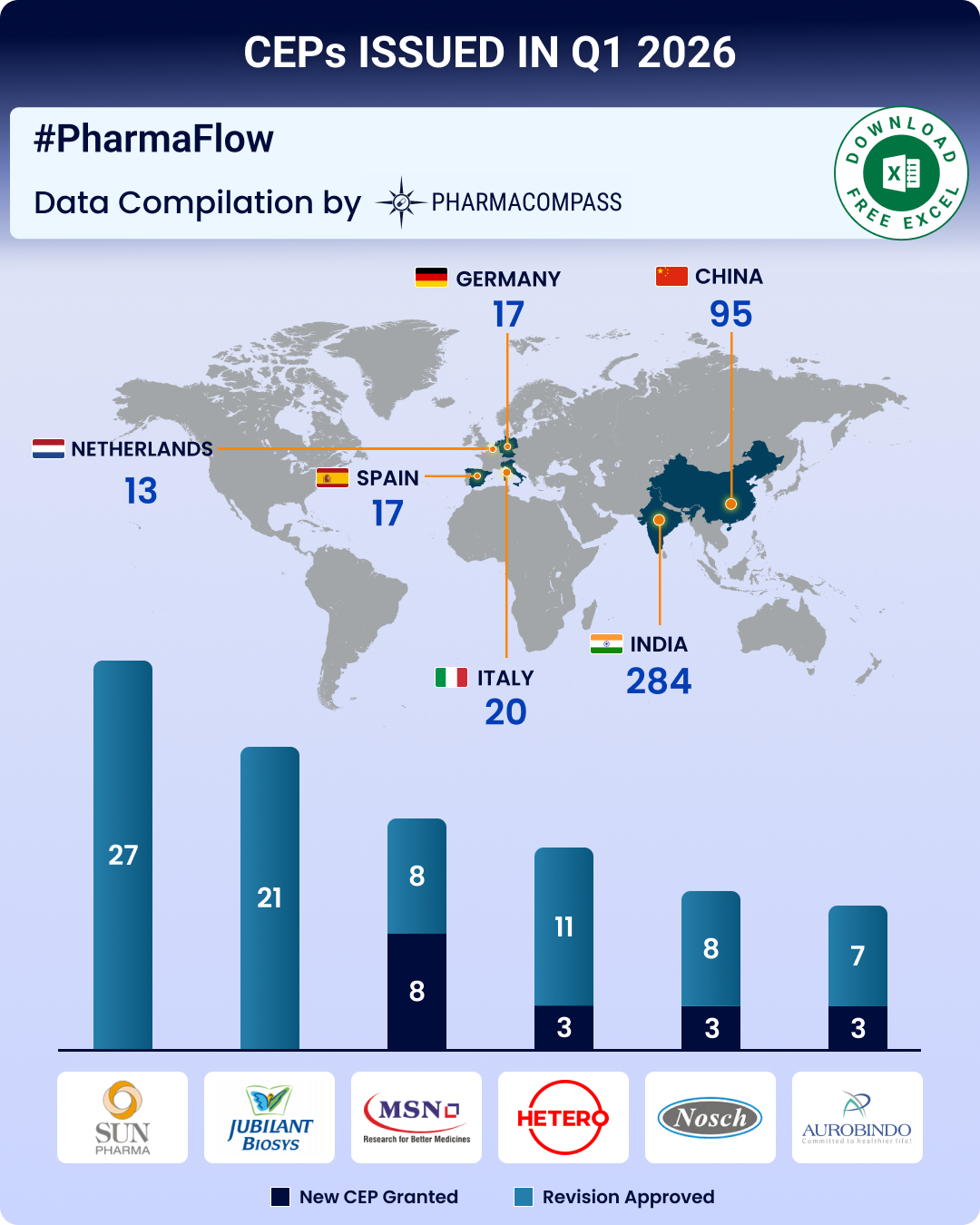
PharmaCompass is introducing a new regulatory update that tracks developments in Certificates of Suitability to the Monographs of the European Pharmacopoeia, referred to as CEPs. These certificates are a critical regulatory instrument in the global pharmaceutical supply chain. Also known as a Certification of Suitability (COS), CEPs are issued by the European Directorate for the Quality of Medicines and HealthCare (EDQM), with or without inspection of the manufacturing site. A CEP must be renewed every five years from its original issue date to remain valid, regardless of any revisions made during the interim period. However, a CEP does not replace Good Manufacturing Practice certification. CEPs are recognized as a trusted reference for API quality, thereby simplifying global registration strategies. Apart from Europe, the CEP system is widely used by many regulatory authorities, including those in Canada, Australia, Brazil, Singapore and South Africa.  View CEPs Issued in Q1 2026 (Power BI Dashboard, Free Excel Available) CEP 2.0 enhances regulatory clarity, brings efficiency, global interoperability  There are several types of CEPs, depending on the nature of the substance and evaluation. The most common type is the Chemical CEP, which confirms that a chemically synthesized API meets standards for purity and impurity control. Then there are Herbal CEPs for herbal substances and preparations. Another key category is the TSE CEP, which addresses risks associated with transmissible spongiform encephalopathies in animal-derived materials. In addition, there are Combined CEPs that may cover multiple aspects, such as chemical quality, TSE risk, and sterility. However, biological products such as vaccines and blood products fall outside the scope of the CEP framework. In 2023, the CEP system underwent a major transformation with the introduction of CEP 2.0, which marks a shift from a largely document-based system to a more structured, transparent, and digitally aligned model. This makes it easier for companies to manage compliance while improving trust among global regulators. While increasing data and compliance requirements for API manufacturers, CEP 2.0 enables better regulatory clarity, streamlined dossier integration, and stronger global acceptance. Overall, CEP 2.0 is designed to enhance regulatory clarity while making the system more efficient and globally interoperable. Indian firms issued maximum CEPs; Sun Pharma and its subsidiaries, Jubilant Biosys top list India topped the charts for CEPs issued, both in terms of new CEPs and revisions in the first quarter (Q1) of 2026. Indian companies were issued 81 new CEPs in Q1 2026 (as against 40 in Q1 2025) and 203 revisions (as against 129 in Q1 2025). In comparison, Chinese companies were issued 42 new CEPs in Q1 2026 (against 25 in Q1 2025) and 53 revisions (against 67 in Q1 2025). Italy came a distant third, followed by Germany and Spain. India’s Sun Pharmaceuticals and its subsidiaries topped the list of companies with the maximum number of CEPs issued— while no new CEP was issued, 27 CEPs were revised in Q1 2026. At second place was Jubilant Biosys — 21 CEPs were revised in Q1 2026. In terms of products, the maximum CEPs were issued for amlodipine besylate (a calcium channel blocker used for treating hypertension), followed by sitagliptin phosphate (a type 2 diabetes medicine) and pregabalin (a drug used to treat neuropathic pain, fibromyalgia, seizures, and generalized anxiety disorder). Both amlodipine besylate and sitagliptin phosphate had not been issued new CEPs or revisions in Q1 2025. EDQM introduces new guidelines to accelerate CEP assessments The EDQM charges fees for various services related to CEPs that depend on the type of request or regulatory activity involved. In general, fees apply to handling CEP applications, revisions or renewals and for offering technical advice (where applicants seek scientific or regulatory guidance). In March 2026, the EDQM introduced two new guidelines aimed at accelerating CEP assessments. The first is a reliance-based assessment pathway, which allows regulators to leverage prior approvals from trusted authorities, such as those in the EU, UK, Australia, Canada, and the WHO pre-qualification program. The second is a fast-track assessment route designed to expedite reviews in situations such as medicine shortages and to support initiatives like the EU Critical Medicines Act. Timelines have been significantly compressed under these new pathways. Initial evaluations are completed within 46 working days, compared to up to 115 days under the standard procedure. Applicants are given 30 calendar days to respond to queries, after which regulators complete the final assessment within 23 working days. Another important regulatory update relates to electronic submissions. From April 1, 2026, the EDQM will reject non-compliant CEP applications at the point of submission. All applications must include a validated electronic Common Technical Document (eCTD) dossier along with a proper validation report, submitted in line with the updated Common European Submission Portal (CESP) guidelines. Taken together, these developments signal a more rigorous yet efficient CEP ecosystem. Our view The shift to CEP 2.0 signals a move toward greater transparency, digitalization, and global regulatory alignment. Though enhanced disclosure and stricter e-submission requirements may increase the compliance burden, especially for smaller manufacturers, the long-term gains are expected to be significant. Going forward, companies that invest in data quality and regulatory readiness stand to gain from these changes.

Impressions: 3970

https://dev1.pharmacompass.com/radio-compass-blog/cep-q1-2026-update-cep-2-0-edqm-s-new-guidelines-strengthen-ecosystem-indian-firms-top-list-of-ceps-issued

#PharmaFlow by PHARMACOMPASS
09 Apr 2026
FDA approvals drop 24% in H1 2025; GSK’s UTI med, Vertex’s non-opioid painkiller lead pack of first-in-class meds
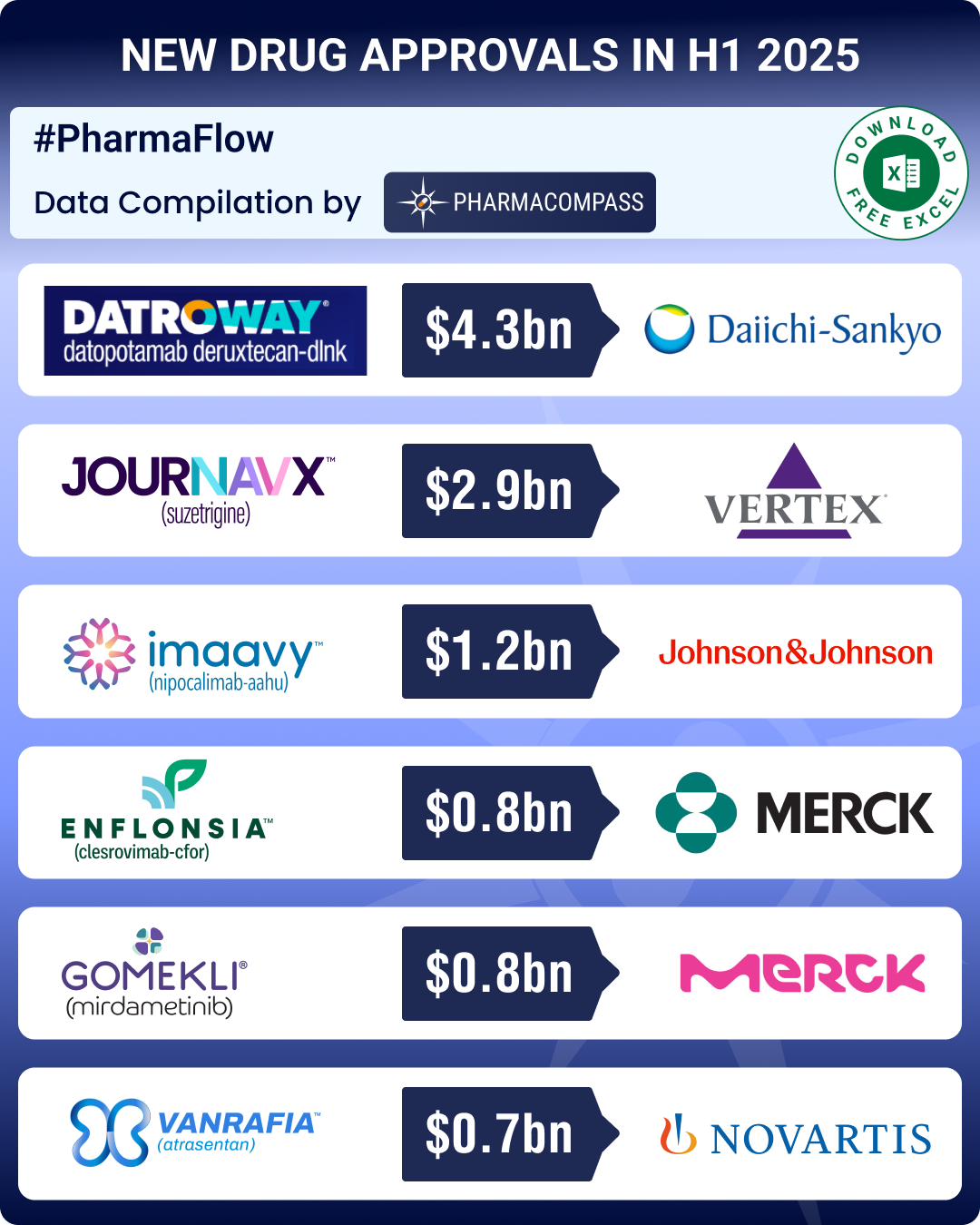
It has been a turbulent year for the US Food and Drug Administration (FDA), marked by reductions in both staff and budget, shake-ups at the top and a reduction in inspections. This upheaval has clearly impacted the functioning of the agency, with reports of missed deadlines and reduced responsiveness. This disruption resulted in a slowdown in new drug approvals in the first half of 2025 (H1 2025), as opposed to the same period last year. Incidentally, drug approvals in H1 2024 were also down by 19 percent compared to H1 2023. FDA’s Center for Drug Evaluation and Research (CDER) approved 16 novel drugs in H1 2025, down from 21 in H1 2024, a decline of nearly 24 percent. Of these, nine were small molecules and seven were biologics. The period saw eight first-in-class therapies get CDER’s approval, as opposed to 17 in H1 2024. FDA’s Center for Biologics Evaluation and Research (CBER) approved seven biologics in H1 2025, compared to eight in the same period last year. In comparison, both Health Canada and the European Medicines Agency (EMA) reported a strong rebound in approvals and authorizations, respectively. Health Canada approved 20 drugs in H1 2025, as opposed to 10 in H1 2024. Similarly, EMA authorized 19 new therapies in H1 2025, compared to 15 in H1 2024. Notably, EMA’s pending decisions increased to 25 in H1 2025, from 14 in the same period last year, while conditional authorizations remained static at five. This underscores EMA’s active regulatory pipeline, suggesting that more drugs could be approved in Europe soon.   View New Drug Approvals in H1 2025 with Estimated Sales (Free Excel Available) Vertex’s non-opioid painkiller, GSK’s antibiotic for UTI, Merck’s RSV antibody bag FDA nods  Oncology remained the single largest category in H1 2025 with seven new drugs being approved by the FDA, followed by four rare diseases and disorders and as many infections and infective diseases.  The eight drugs that were designated first-in-class in H1 2025 are: Journavx (Suzetrigine), Imaavy (nipocalimab), Emrelis (telisotuzumab vedotin), Blujepa (gepotidacin mesylate), Qfitlia (fitusiran), Avmapki Fakzynja Co-Pack (avutometinib potassium/defactinib hydrochloride), Tryptyr (acoltremon), and Andembry (garadacimab). In January, a new class of non-opioid pain therapy made a debut — FDA approved Vertex Pharmaceuticals’ Journavx (suzetrigine). This first-in-class oral analgesic could bring in US$ 2.9 billion in sales for Vertex by 2030. The half year also saw a new oral antibiotic — GSK’s Blujepa (gepotidacin) — for treating uncomplicated urinary tract infections (uUTIs) bag FDA approval. This is the first new antibiotic for uUTIs in nearly three decades. It treats infections caused by resistant pathogens such as E. coli and K. pneumoniae In June, Merck’s Enflonsia (clesrovimab), a long-acting monoclonal antibody, won FDA approval to prevent respiratory syncytial virus (RSV) lower respiratory tract disease in neonates and infants entering their first RSV season. A single 105 mg dose provides protection for about five months, the length of a typical RSV season. Enflonsia could bring in US$844 million in annual sales by 2030. FDA approves four meds for rare diseases, including SpringWorks’ Gomekli, Novartis’ Vanrafia In H1 2024, rare genetic diseases had witnessed some significant approvals. The trend continued in H1 2025. In February, Gomekli (mirdametinib), developed by SpringWorks Therapeutics, became the first approved therapy for neurofibromatosis type 1 (a genetic disorder that causes tumors to grow on nerve tissues) in adult and pediatric patients who have symptomatic plexiform neurofibromas (benign, complex nerve tumors) not amenable to complete resection. Analysts expect peak sales of around US$ 0.8 billion by 2030. Post this approval, SpringWorks got acquired by Merck KGaA for approximately US$ 3.9 billion. The same month, Ono Pharma-owned Deciphera’s Romvimza (vimseltinib) became the first oral therapy approved for another rare disease known as symptomatic tenosynovial giant cell tumor. This is a benign but aggressive growth that can be painful. This new drug offers patients an option beyond surgery. In March, Sanofi’s Qfitlia (fitusiran) was approved for routine prophylaxis in hemophilia A or B, with or without inhibitors. And in April, Novartis’ Vanrafia (atrasentan) was granted accelerated approval for IgA nephropathy (a chronic autoimmune kidney disease), which is at the risk of rapid progression. Vanrafia could bring in sales of over US$ 735 million by 2030 Johnson & Johnson secured approval for Imaavy (nipocalimab-aahu) for generalized myasthenia gravis (a chronic autoimmune disease that causes muscle weakness) in adults and adolescents. Imaavy’s sales could cross US$1.17 billion by 2030. Rare diseases continue to attract regulatory attention, with the trend carrying into the current quarter. July witnessed two noteworthy rare-disease approvals — Ekterly (garadacimab), CSL’s once-monthly prophylactic treatment for hereditary angioedema (a genetic disorder that causes recurrent episodes of swellings), and Sephience (pegvaliase-abcx), BioMarin’s new therapy for phenylketonuria (a rare metabolic disorder). FDA greenlights new oncology therapies, including Astra’s Datroway, AbbVie’s Emrelis The field of oncology saw some notable new drug approvals. In January, Datroway (datopotamab deruxtecan), an antibody-drug conjugate (ADC) developed by AstraZeneca and Daiichi Sankyo, was granted approval for adults with unresectable or metastatic, hormone receptor-positive, HER2-negative breast cancer. Later, in June, the FDA granted accelerated approval  to AstraZeneca;s Datroway for adults with locally advanced or metastatic, EGFR-mutated non-small cell lung cancer. The drug’s peak annual sales are projected at about US$ 4.2 billion by 2030. In May, Emrelis (telisotuzumab vedotin-tllv), AbbVie’s ADC was granted FDA’s accelerated approval. Emrelis treats locally advanced or metastatic non-squamous non-small cell lung cancer (NSCLC) characterized by significantly increased levels of the c-Met protein in cancer cells. FDA also approved a companion diagnostic test — Roche's Ventana — in May to determine the c-Met protein biomarker status in order to identify patients eligible for Emrelis.  The same month, FDA also granted accelerated approval to Verastem’s Avmapki Fakzynja Co-pack, a dual oral therapy for adults with KRAS‑mutated recurrent low‑grade serous ovarian cancer (LGSOC). This novel regimen combines two inhibitors — avutometinib and defactinib — to disrupt critical signaling pathways that fuel tumor growth. In ophthalmology, Alcon re-entered the prescription pharmaceutical market with Tryptry (acoltremon), a first-in-class TRPM8 agonist for dry eye disease, which stimulates corneal nerves to increase tear production. Our view The changes in the FDA are clearly having a far-reaching impact on the global pharmaceutical industry. There have been reports of drugmakers losing confidence in the FDA, which has been a gold standard for drug regulation. Some American biotechs are shifting early trials outside of the US. With EMA and Health Canada authorizing/approving a larger number of drugs in H1 2025, we do see some changes underway that may eventually reshape drug development.  

Impressions: 8104

https://dev1.pharmacompass.com/radio-compass-blog/fda-approvals-drop-24-in-h1-2025-gsk-s-uti-med-vertex-s-non-opioid-painkiller-lead-pack-of-first-in-class-meds

#PharmaFlow by PHARMACOMPASS
28 Aug 2025
CDMO Activity Tracker: Veranova, Carbogen lead ADC investments; Axplora, Polfa Tarchomin, Famar expand European footprint
During the second quarter (Q2) of 2025, contract development and manufacturing organizations (CDMOs) made substantial investments in specialized therapeutic manufacturing. The quarter also saw CDMOs pursue high-value, complex manufacturing niches, particularly in antibody-drug conjugates (ADCs), cell and gene therapies (CGTs) and oligonucleotides. Alongside these trends, Q2 also saw CDMOs strengthen their footprint in the United States amid concerns over rising tariffs and unpredictable trade policies being enforced by the Trump administration. Regeneron Pharmaceuticals committed over US$ 3 billion through a 10-year agreement with Fujifilm Diosynth Biotechnologies to nearly double its US manufacturing capacity for biologics. Under this agreement, Fujifilm will manufacture and supply drug products for Regeneron at its large-scale facility in Holly Springs, North Carolina. Thermo Fisher Scientific announced plans to invest an additional US$ 2 billion in the US over four years, reinforcing its manufacturing and R&D capabilities. With 64 facilities spread across 37 states, Thermo Fisher aims to bolster American innovation and competitiveness. Similarly, Piramal Pharma announced a US$ 90 million investment plan for expanding two facilities in the US, thereby bringing its total investment in the country to US$ 570 million.  View CDMO Activity Tracker for Q2 2025 (Free Excel Available) Veranova, Carbogen lead ADC wave; Axplora doubles down on HPAPI production in Italy  The quarter saw substantial investments in ADC manufacturing. Veranova announced a US$ 20 million investment in bioconjugation development and cGMP manufacturing capacity at its Devens, Massachusetts campus. With this investment, Veranova will be able to provide a more comprehensive suite of services to its partners developing ADCs and other bioconjugates. Veranova’s total investment in the Devens facility now stands at over US$ 50 million.  Swiss CDMO Carbogen announced a US$ 31 million co-investment with an unnamed Japanese investor to expand its capabilities across its Aarau and Neuland (Switzerland) facilities. The facility will address increasing demand for complex and high-value compounds such as ADC drug linkers. Axplora announced a further €35 million (US$ 41 million) expansion of its Farmabios site in Italy, doubling the facility to approximately 108,000 square meters by mid-2026. This investment raises its total spend on the site to over €80 million (US$ 94.05 million) since 2019, supporting the production of highly potent active pharmaceutical ingredients (HPAPIs). Farmabios now stands as a key hub in Axplora’s global CDMO network. Polish pharmaceutical manufacturer Polfa Tarchomin is positioning itself as a significant player in the European CDMO market through its investment in the Center for Development and Production of Highly Potent Drugs. This 12,000 square meter facility has two state-of-the-art production lines designed for filling vials and pre-filled syringes with an annual capacity of 26 million product units. Skyepharma’s projected annual revenues from oncology-linked activities touched €10 million (US$ 11.2 million). The CDMO’s facility in Saint-Quentin-Fallavier is equipped to handle cytotoxic and cytostatic compounds, and is one of the few facilities in France capable of managing HPAPIs for oral anticancer treatments. Athena acquires Medipha Santé, Famar buys MiP Pharma’s German site to strengthen European footprint During the quarter, several CDMOs enhanced their strategic capabilities through M&As. Athena Pharmaceutiques acquired  Medipha Santé to build a fully integrated pharmaceutical services platform in Europe. Based in Paris, Athena has strengthened its commercial and regulatory toolbox by bringing aboard Medipha Santé’s 35-strong team, which supports over 100 partner organizations and files approximately 350 dossiers annually with ANSM and other European agencies. With this integration, Athena positions itself as a one-stop CDMO partner. With the acquisition of MiP Pharma’s sterile manufacturing site in Homburg, Germany, the Famar Group has expanded its capabilities in aseptic and lyophilized fill-and-finish operations. The acquisition has strengthened Famar’s position in sterile drug manufacturing. The CDMO now has seven manufacturing facilities in Europe. PCI Pharma Services’ acquisition of Ajinomoto Althea has established a world-class, large-scale manufacturing hub in the San Diego region with state-of-the-art aseptic facilities for prefilled syringes, cartridges and high-potent formulations such as ADCs. PCI Pharma is now amongst the few US-based CDMOs capable of comprehensive ADC manufacturing. Samsung Biologics’ strategic spinoff of its biosimilar business stood out as a significant corporate restructuring exercise during the quarter. The separation of Samsung Bioepis, tentatively renamed Samsung Epis Holdings, aims to enhance Samsung Biologics’ strategic focus and build client trust, as it eliminates potential conflicts between CDMO services and proprietary drug development. The move came after Samsung Biologics inked a contract worth 737.3 billion Korean won (US$ 518 million) with an undisclosed US pharmaceutical company. WuXi Biologics announced a US$ 167 million divestment of its German facility to Terumo and broke ground on a microbial production plant in China. National Resilience, which was launched five years ago as the US drug manufacturer dedicated to broadening access to medicines and protecting biopharma supply chains, said it is shuttering six of its 10 facilities. The company said the sites were “not being fully utilized.” MilliporeSigma, Simtra form 5-year ADC alliance; Silexion partners Catalent for siRNA development Merck KGaA’s MilliporeSigma and Simtra struck a five-year strategic alliance, combining expertise across the ADC value chain to reduce development timelines and complexity for biopharmaceutical companies. Viralgen collaborated with Trogenix to rapidly scale product supply for TGX-007, an AAV gene therapy for glioblastoma (a type of cancer of the brain and spinal cord).  Silexion announced a collaboration with Catalent for small interfacing RNA (siRNA) development and manufacturing. Catalent’s Limoges (France) facility will conduct formulation development and clinical manufacturing for Silexion’s SIL204 candidate, supporting both systemic and intra-tumoral delivery formulations. Skyepharma’s collaboration with Eneapharm through the Skyehub platform aims to support the treatment of patients suffering from exocrine pancreatic insufficiency, including those affected by cystic fibrosis or pancreatic cancer. Orion Corporation reached an agreement with Shilpa Biocare for the distribution of recombinant human albumin in Europe. Meanwhile, Aenova announced the launch of its Aenovation program, an initiative designed to fast-track early development of pharmaceutical formulations. The program addresses the critical challenges of bioavailability and time-to-market faced by poorly soluble drug candidates. Our view  The quarter saw CDMO developments mimic the broader trends in the pharmaceutical industry, such as onshoring of critical manufacturing capabilities in the US, consolidation of specialized expertise through strategic partnerships, and the relentless focus on emerging therapeutic modalities that promise to transform patient care. With CDMOs continuing to invest in next-generation manufacturing capabilities, we expect the sector to play a crucial role in drug innovation.

Impressions: 10438

https://dev1.pharmacompass.com/radio-compass-blog/cdmo-activity-tracker-veranova-carbogen-lead-adc-investments-axplora-polfa-tarchomin-famar-expand-european-footprint

#PharmaFlow by PHARMACOMPASS
10 Jul 2025
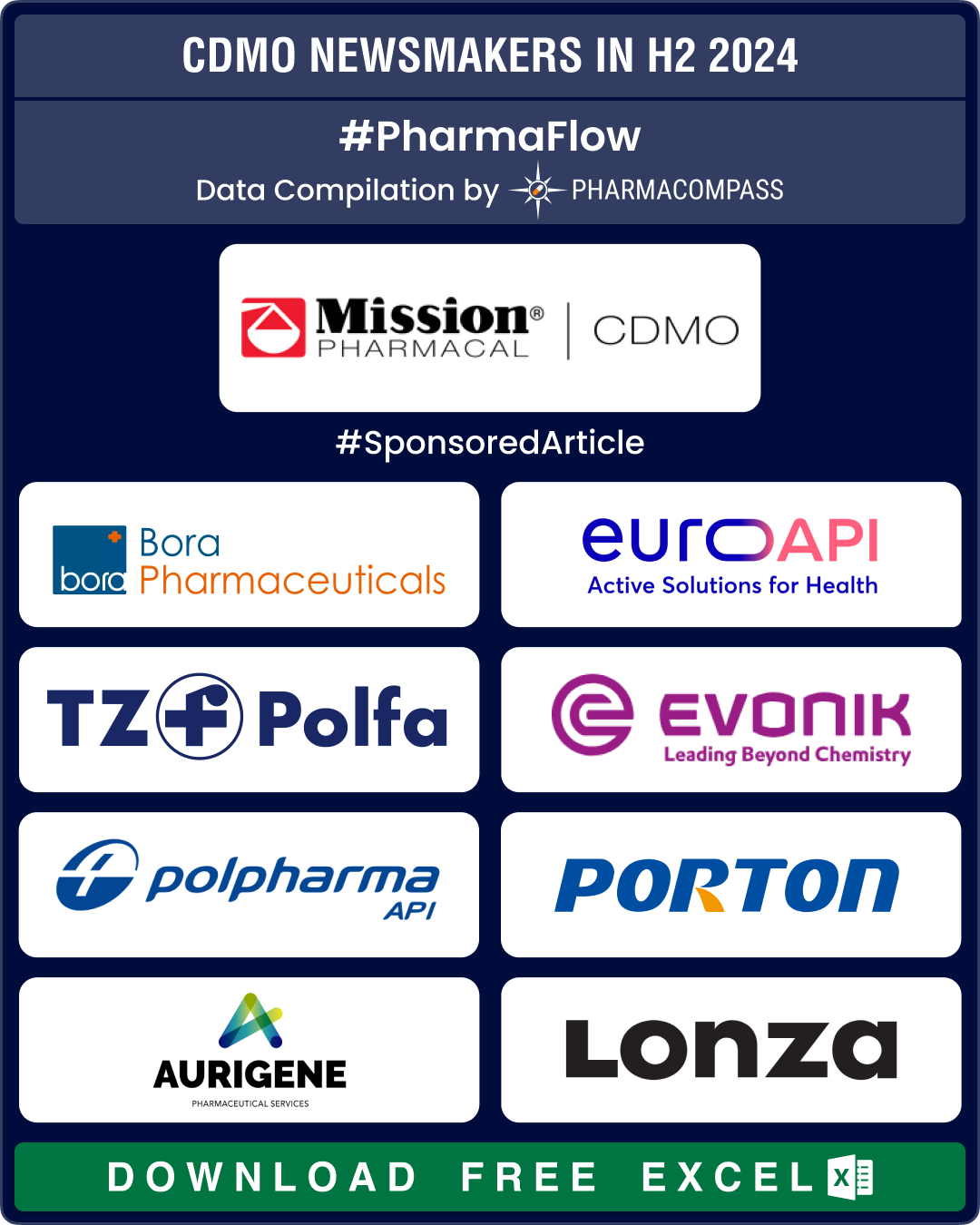
CDMO Activity Tracker: Bora, PolPharma make acquisitions; Evonik, EUROAPI, Porton announce technological expansions
The contract development and manufacturing organization (CDMO) space continued to grow at an impressive pace in the second half (H2) of 2024, with significant progress being made across cell and gene therapies (CGTs), antibody-drug conjugates (ADCs), novel drug modalities, and digital solutions. Some of the key players in the CDMO space include Lonza, EUROAPI, Evonik, SEQENS, Fujifilm Diosynth Biotechnologies, Quotient Sciences, Axplora, PolPharma, and Famar from Europe; Mission CDMO, LGM Pharma, Veranova, and Thermo Fisher from the US; and Samsung Biologics, Bora Pharmaceuticals, and Porton Pharma Solutions from Asia. Texas-based Mission CDMO has been in the pharma industry for over 75 years. Today, it is known for its comprehensive contract services and high-quality manufacturing capabilities that have reinforced its position as a trusted partner.  View CDMO Activity Tracker for H2 2024 (Free Excel Available) Bora, PolPharma drive CDMO acquisitions; Samsung Biologics clocks over US$ 4 bn in contract value  The second half of 2024 saw several high-value acquisitions and expansions that reshaped the CDMO landscape. South Korea-based Samsung Biologics clocked a cumulative contract value of over US$ 4 billion. It signed its largest manufacturing deal with an Asia-based pharmaceutical company, valued at US$ 1.24 billion. It also announced a series of manufacturing deals with a European drugmaker worth over US$ 668 million. Samsung Biologics is also building a dedicated ADC facility that is likely to be complete soon.  Taiwan’s largest CDMO, Bora Pharmaceuticals, announced its second acquisition of the year. It bought New Jersey-based Pyros Pharmaceuticals, a developer of rare disease treatments. Pyros recently launched Vigafyde, the only ready-to-use vigabatrin oral solution and the first new product approved to treat infantile spasms in 15 years. Bora also announced a strategic investment in Tanvex Biopharma, thereby creating a global platform for biologics development and supply. PolPharma acquired Ziołolek, a renowned manufacturer of dermatological products, medical devices, and OTC medicines, thereby expanding its product portfolio. It also launched a state-of-the-art HPAPI (highly potent active pharmaceutical ingredients) facility in Poland, which is being seen as another step towards securing Europe’s drug supply chain. In other developments, Avid Bioservices got acquired by funds managed by Ampersand and British healthcare investment firm GHO Capital Partners in an all-cash deal worth US$ 1.1 billion. And Agilent Technologies agreed to acquire Canadian specialty CDMO Biovectra for US$ 925 million, thereby enhancing its capabilities in gene-editing technologies and sterile fill-finish services. Evonik, EUROAPI, Porton Pharma, GSK announce tieups, technological expansions Several CDMOs announced new collaborations and acquired new capabilities to enhance their service offerings. Evonik expanded its formulation capabilities for lipid nanoparticles used for mRNA and gene therapies through a collaboration with KNAUER Wissenschaftliche Geräte. This partnership aims to expand Evonik’s portfolio of biosolutions. Evonik is also restructuring its keto and pharma amino acid business to focus on strategic core growth areas. Evonik launched Eudracap colon functional capsules for targeted delivery of oral drugs. These ready-to-fill capsules are designed to release their contents specifically in the colon, improving the efficacy of treatments for various gastrointestinal conditions. Evonik also opened a new facility for drying aqueous dispersions of Eudragit polymers in Darmstadt, Germany. This facility will enhance Evonik’s capabilities in producing high-quality polymers for pharmaceutical applications. EUROAPI launched a new AI-powered Electronic Batch Record solution in collaboration with Aizon to enhance manufacturing productivity. This collaboration aims to digitize operations towards more data-driven manufacturing, focusing on small-scale productions and highly flexible plants. Porton Pharma Solutions has expanded its reach through several strategic initiatives. In October, Porton entered into a partnership with Shanghai InnoStar to enhance its service offerings beyond small molecules, targeting peptides, oligonucleotide drugs, conjugated drugs, and advanced therapies. It continued to grow its capabilities by enhancing its GMP manufacturing capacity in Fengxian, Shanghai (China). The facility’s expansion is aimed at increasing the production of novel therapies, including peptides and oligonucleotide drugs. These moves are part of Porton’s broader strategy to position itself at the forefront of advanced pharmaceutical manufacturing. Corden Pharma is investing € 900 million (US$ 985 million) over the next three years to expand its peptide platform facilities in Colorado (US) and Europe. While the US site will help meet the rising demand for GLP-1 peptides, in Europe, CordenPharma will construct a greenfield facility for small to large-scale peptide development and manufacturing. CDMO Touchlight signed a licensing agreement with GSK that grants the drug behemoth non-exclusive rights to use Touchlight’s proprietary enzymatic doggybone DNA (dbDNA) technology for the development and production of mRNA-based products, particularly vaccines. Curia also integrated enzymatic dbDNA solutions through a collaboration with Touchlight, enhancing mRNA production for vaccine and cancer therapies. Lonza, Merck, Dr. Reddy’s owned Aurigene invest in cell and gene therapies The CGT space continued to draw both deals and investments. Lonza and Vertex signed a long-term commercial supply agreement for Casgevy, the world’s first CRISPR/Cas9 gene-edited cell therapy, to treat sickle cell disease and beta thalassemia. This agreement includes manufacturing at Lonza’s Geleen (the Netherlands) cell therapy manufacturing facility, with plans to expand to Portsmouth, New Hampshire (US). Miltenyi Biotec began manufacturing lentiviral vectors for Adaptimmune’s Tecelra, the first engineered TCR T-cell therapy for the rare soft tissue cancer synovial sarcoma approved by the US Food and Drug Administration. Merck KGaA commenced commercial production at its first GMP-compliant manufacturing line for cell culture media (CCM) in China. This facility addresses the growing local demand for quality custom CCM used in biopharmaceuticals, vaccines, and novel therapeutics. Aurigene and Edity Therapeutics announced a strategic collaboration in cell therapy, with Aurigene providing cell therapy discovery services to support Edity’s clinical development. Additionally, Aurigene and its parent, Dr. Reddy’s Laboratories, signed a memorandum of understanding (MoU) with Kainomyx for the development and commercialization of an affordable anti-malarial drug.  ProBio and UCI Therapeutics signed an MoU for a comprehensive collaboration in gene delivery technologies, including viral and non-viral approaches. Additionally, Korea’s VaxCell-Bio partnered with ProBio to accelerate the development of its chimeric antigen receptor (CAR)-related therapies. The ADC market continued to be a hotbed of innovation and strategic expansion. Merck KGaA invested € 70 million (US$ 75 million) to triple its ADC manufacturing capacity at its Missouri (US) facility, aiming to support the rising demand for oncology therapies. Sterling Pharma entered into a partnership with GlycoNex to support the clinical trials of their ADCs that target solid tumors. And, NJ Bio and Charles River Laboratories also announced a collaboration to optimize ADC manufacturing. The adeno-associated viral (AAV) vector field also saw activity with Rentschler Biopharma and Forge Biologics announcing the launch of a new service offering and a manufacturing platform, respectively. Similarly, Andelyn Biosciences was selected by Hubble Therapeutics to manufacture clinical grade AAV. Meanwhile, Lonza has gone in for a restructuring exercise in order to become a “pure-play CDMO”. It has exited its capsules and health ingredients business, and adopted a new organizational structure. The Swiss CDMO has also extended a collaboration with a major global biopharmaceutical partner for commercial-scale manufacture of ADCs. Our view As pharmaceutical development becomes increasingly complex, CDMOs are no longer just manufacturing partners, but critical innovation hubs. Little wonder then that 2024’s biggest pharma deal was in the CDMO space – Novo Holdings’ US$ 16.5 billion buyout of Catalent. This trend should gather momentum. We expect more M&A activity in this space in 2025.  

Impressions: 6939

https://dev1.pharmacompass.com/radio-compass-blog/cdmo-activity-tracker-bora-polpharma-make-acquisitions-evonik-euroapi-porton-announce-technological-expansions

#PharmaFlow by PHARMACOMPASS
19 Dec 2024
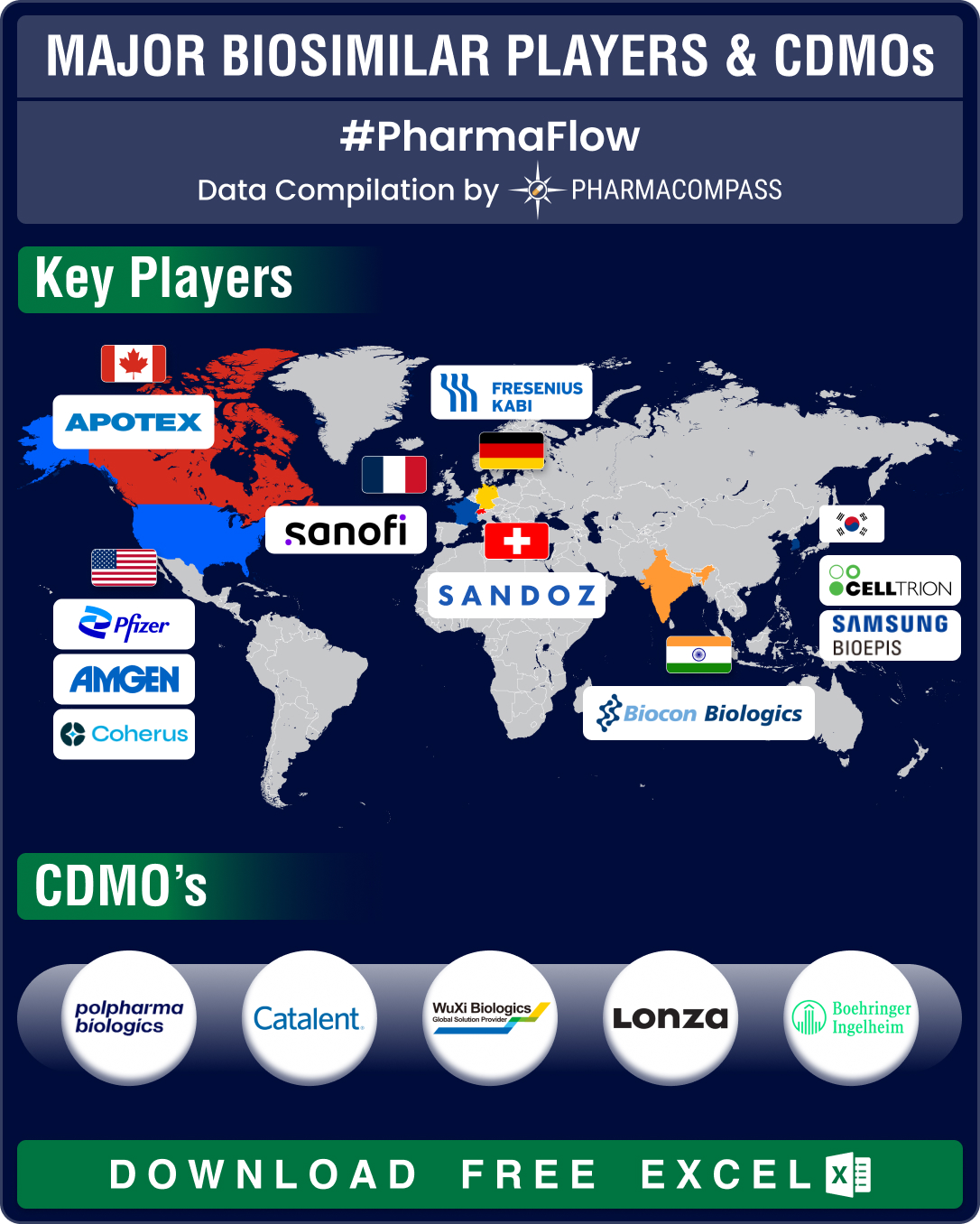
FDA approves record eight biosimilars in H1 2024; okays first interchangeable biosimilars for Eylea
Biologics, or complex drugs that are derived from living organisms, have revolutionized treatment of various conditions such as cancer, autoimmune diseases, and chronic illnesses. In 2023, eight out of 10 of the world’s top-selling drugs were biologics, including Merck’s Keytruda, AbbVie’s Humira, and Sanofi’s Dupixent. Due to their high costs, accessibility of biologics has been a challenge. That’s why biosimilars, or game-changing copycats of biologics that provide highly similar yet more affordable alternatives to established biologics, are becoming popular. The first biosimilar — Sandoz’ Zarxio — was approved by the US Food and Drug Administration (FDA) in 2015. Its reference biologic was Amgen’s Neupogen (filgrastim).  Since then, the global market for biosimilars has been growing at an impressive pace — between 2015 and 2020, it grew at a whopping compounded annual growth rate (CAGR) of 78 percent, touching US$ 17.9 billion in size. It is expected to continue growing at a CAGR of 15 percent and reach a size of about US$ 75 billion by 2030. Major biosimilar players include Amgen, Sandoz, Samsung Bioepis, Pfizer, Biocon Biologics, Celltrion, Stada Arzneimittel, Accord Healthcare, Fresenius Kabi, Coherus Biosciences, Apotex, and Sanofi. The increasing demand for biosimilars has propelled growth in contract manufacturing. Some of the leading contract manufacturing organizations (CMOs) and contract development and manufacturing organizations (CDMOs) that manufacture biosimilars are Polpharma Biologics, Catalent, Pfizer CentreOne, Lonza, Boehringer Ingelheim BioXcellence, Thermo Fisher Scientific, WuXi Biologics, and FUJIFILM Diosynth Biotechnologies.   Access the Interactive Dashboard for Biosimilar Developments (Free Excel)  Amgen, Sandoz top list of ‘approved biosimilars’; FDA okays 8 copycats in H1 2024  Over the recent years, regulatory agencies like the FDA and the European Medicines Agency (EMA) have established rigorous approval pathways for biosimilars. Since 2015,  FDA has approved 53 biosimilars, while the EMA has approved 86 biosimilars. Among the US, European and Canadian markets, Amgen and Sandoz are tied in the first place with 13 approved biosimilars each. Samsung Biologics has nine approved biosimilars, followed by Pfizer with eight and Biocon Biologics with seven.  In the first half of this year, FDA set a record by approving eight biosimilars — the highest for H1 of any year. EMA has okayed six biosimilars so far in 2024. In 2023, five biosimilars were approved by the FDA with just one being okayed in the first half. The year marked the end of exclusivity for Humira after 20 years, in which it netted a total of US$ 200 billion in sales. AbbVie’s flagship autoimmune drug has a record 10 biosimilars. Johnson & Johnson’s Stelara also lost exclusivity in 2023 and as many as 11 drugmakers hope to bring its biosimilars to the market. Amgen’s Wezlana was the first biosimilar to Stelara, and it was approved as interchangeable by FDA in October last year. FDA approves first interchangeable biosimilar for Eylea, cuts regulatory fee Developing a biosimilar costs both money and time. According to Pfizer, developing a biosimilar can take five to nine years and cost over US$ 100 million, not including regulatory fees. In October 2023, FDA slashed its fees with the program fee at US$ 177,397, down from US$ 304,162. The application fees for products that require clinical data has been set at US$ 1,018,753, down from US$ 1,746,745. The application fee for products that don’t require clinical data has been set lower — at US$ 509,377 —  down from US$ 873,373 set earlier. This reduction in application fee has propelled demand for contract manufacturing of biosimilars. There has also been a rise in approvals of interchangeable biosimilars this year. Interchangeable biosimilars meet additional requirements and may be substituted for its reference product by a pharmacist without consulting the prescriber. This year saw FDA approve the first interchangeable biosimilars for bone cancer drug denosumab (Prolia and Xgeva) in Jubbonti and Wyost as well as for eculizumab (Soliris) in Bkemv. In May, FDA approved the first interchangeable biosimilars for eye drug aflibercept (Eylea) in Opuviz and Yesafili. Other biosimilars approved in 2024 include Simlandi for adalimumab (Humira), Tyenne for tocilizumab (Actemra), Selarsdi for ustekinumab (Stelara), and Hercessi for trastuzumab (Herceptin). Merck’s Keytruda, BMS’ Opdivo, Novartis’ Cosentyx brace for biosimilar competition Healthcare spending in the US is projected to rise from US$ 4.5 trillion in 2022 to US$ 6 trillion by 2027. While biologics involve just two percent of prescriptions, they account for 46 percent of all pharmaceutical spending. In 2022, US$ 252 billion was spent on biologics. Biosimilar-related savings in 2023 were estimated to be US$ 9.4 billion in the US and € 10 billion (US$ 10.68 billion) in Europe. With expensive and widely used drugs like AbbVie’s Humira, J&J’s Stelara, and Regeneron’s Eylea coming under competition, US savings are projected to reach US$ 181 billion through 2027. Between 2026 and 2032, about 39 blockbusters are set to lose exclusivity in the US and Europe.  Merck’s Keytruda (pembrolizumab) was the world’s top-selling drug last year, generating US$ 25 billion in sales. Its patent is set to expire in 2028 with sales expected to drop 19 percent to US$ 27.4 billion in 2029 from US$ 33.7 billion the previous year. Samsung Bioepis and Amgen initiated phase 3 trials of pembrolizumab in April and May of this year, respectively. Opdivo (nivolumab), belonging to the same class of drugs, competes with Keytruda and is also set to lose patent protection in 2028. It hauled in US$ 10 billion in total global sales in 2023 for Bristol Myers Squibb. The key patents of Novartis’ Cosentyx (secukinumab) are set to expire between 2025 and 2026. Cosentyx saw sales of US$ 5 billion in 2023. Taizhou Mabtech Pharmaceutical and Bio-Thera Solutions are conducting phase 3 trials of secukinumab. Our view With over 2 billion people worldwide unable to access life-saving medicines, biosimilars hold the key to healthcare accessibility. In 2023, a record 13 biosimilars were launched in the market — the highest for a single year. And this included nine much-anticipated biosimilars to AbbVie’s Humira.  In April this year, FDA announced a Biosimilars Action Plan to streamline the development of biosimilars. With a sharp focus on biosimilars, we expect more records to be broken in the near term. New launches of biosimilars to drugs like J&J’s Stelara, Regeneron’s Eylea and Merck’s Keytruda will surely help in creating new records.

Impressions: 4758

https://dev1.pharmacompass.com/radio-compass-blog/fda-approves-record-eight-biosimilars-in-h1-2024-okays-first-interchangeable-biosimilars-for-eylea

#PharmaFlow by PHARMACOMPASS
27 Jun 2024

NEWS LIBRARY #PharmaBuzz

106read-more
read-more
Polpharma API Selected by Celon Pharma

24 Jul 2026

// PHARMASOURCE

https://pharmasource.global/content/news/cdmo-news/polpharma-api-selected-by-celon-pharma-for-adc-payload-linker-manufacturing/

PHARMASOURCE
24 Jul 2026

https://polpharma.pl/en/polpharma-strengthens-its-position-in-central-and-eastern-europe-biofarm-the-leader-of-the-romanian-market-joins-the-group/

PRESS RELEASE
21 Jul 2026

https://polpharma.pl/en/polpharma-opens-an-office-in-india-strengthening-global-collaboration-and-api-supply-chain-resilience/

PRESS RELEASE
13 Mar 2026

https://polpharma.pl/en/polpharma-sa-launches-a-project-under-the-step-initiative/

PRESS RELEASE
12 Feb 2026

https://polpharma.pl/en/polpharma-group-announces-leadership-transition-sebastian-szymanek-appointed-as-its-new-president/#:~:text=At%20the%20same%20time%2C%20Polpharma,Farmaceutyczne%20Polpharma%20S.A.%20in%20Poland.

PRESS RELEASE
24 Oct 2025

https://www.api.polpharma.com/articles/rising-to-the-solubility-challenge-collaborative-solutions-in-api-development

PRESS RELEASE
25 Jun 2025

KEY PRODUCTS

read-more
read-more

TOP RANKED SUPPLIER FOR:

Sponsored Ads.
full-view
Sponsored Ads.full-view

Services

Discover the service capabilities from this company

API Manufacturing

Discover their expertise for : API Manufacturing

API Development

Discover their expertise for : API Development

KEY SERVICES

read-more
read-more

TOP RANKED SUPPLIER FOR:
Development of High-Value/Low-Volume Niche-Complex APIs
full-view
Lab-Scale And/Or Pilot Scale Experimentation
full-view
Highly Potent API (HPAPI) Manufacturing
full-view
Low-Temperature Processes
full-view
Process Scale-Up & Optimization
full-view

Inspections and registrations

Check the inspections & registration from this company

ABOUT THIS PAGE

pharma-servicesPI91326##c
Contact Polpharma API

Polpharma API is a supplier offering 85 products (APIs, Excipients or Intermediates).

Find Acetazolamide bulk with DMF, CEP, JDMF offered by Polpharma API

Find Alendronate Sodium bulk with DMF, CEP, JDMF offered by Polpharma API

Find Hydrochlorothiazide bulk with DMF, CEP, JDMF offered by Polpharma API

Find Ibandronate Sodium bulk with DMF, CEP, JDMF offered by Polpharma API

Find Sildenafil Citrate bulk with DMF, CEP, JDMF offered by Polpharma API

Find Tadalafil bulk with DMF, CEP, JDMF offered by Polpharma API

Find Vardenafil Hydrochloride bulk with DMF, CEP, JDMF offered by Polpharma API

Find Zoledronic Acid bulk with DMF, CEP, JDMF offered by Polpharma API

Find Aripiprazole bulk with DMF, CEP offered by Polpharma API

Find Baclofen bulk with DMF, JDMF offered by Polpharma API

Find Carbamazepine bulk with DMF, CEP offered by Polpharma API

Find Carvedilol bulk with DMF, CEP offered by Polpharma API

Find Dapagliflozin bulk with DMF, JDMF offered by Polpharma API

Find Dapagliflozin Propanediol Monohydrate bulk with DMF, CEP offered by Polpharma API

Find Etodolac bulk with DMF, JDMF offered by Polpharma API

Find Lamotrigine bulk with DMF, JDMF offered by Polpharma API

Find Pentoxifylline bulk with DMF, CEP offered by Polpharma API

Find Risedronate Sodium bulk with DMF, JDMF offered by Polpharma API

Find Rivaroxaban bulk with DMF, CEP offered by Polpharma API

Find Sodium Salicylate bulk with DMF, JDMF offered by Polpharma API

Find Abemaciclib bulk with DMF offered by Polpharma API

Find Apixaban bulk with DMF offered by Polpharma API

Find Apremilast bulk with DMF offered by Polpharma API

Find Aripiprazole bulk with DMF offered by Polpharma API

Find Baricitinib bulk with DMF offered by Polpharma API

Find Brexpiprazole bulk with DMF offered by Polpharma API

Find Carbamazepine bulk with CEP offered by Polpharma API

Find Carvedilol Phosphate bulk with DMF offered by Polpharma API

Find Empagliflozin bulk with DMF offered by Polpharma API

Find Enzalutamide bulk with DMF offered by Polpharma API

Find Ibandronate Sodium bulk with CEP offered by Polpharma API

Find Isavuconazonium Sulfate bulk with DMF offered by Polpharma API

Find Lamotrigine bulk with JDMF offered by Polpharma API

Find Molsidomine bulk with CEP offered by Polpharma API

Find Palbociclib bulk with DMF offered by Polpharma API

Find Pimavanserin Tartrate bulk with DMF offered by Polpharma API

Find Piracetam bulk with CEP offered by Polpharma API

Find Risedronate Sodium 2.5-hydrate bulk with CEP offered by Polpharma API

Find Sacubitril-Valsartan bulk with DMF offered by Polpharma API

Find Safinamide Methanesulfonate bulk with DMF offered by Polpharma API

Find Sildenafil Citrate bulk with CEP offered by Polpharma API

Find Sitagliptin Hydrochloride bulk with DMF offered by Polpharma API

Find Ticagrelor bulk with DMF offered by Polpharma API

Find Tolterodine Tartrate bulk with CEP offered by Polpharma API

Find Topiramate bulk with DMF offered by Polpharma API

Find Trametinib bulk with DMF offered by Polpharma API

Find Vismodegib bulk with DMF offered by Polpharma API

Find Xylometazoline Hydrochloride bulk with CEP offered by Polpharma API

Find Lamotrigine, Standard, micronised and milled bulk with CEP offered by Polpharma API

Find Acenocoumarol bulk offered by Polpharma API

Find Acetazolamide bulk offered by Polpharma API

Find Alendronate Sodium bulk offered by Polpharma API

Find Aniracetam bulk offered by Polpharma API

Find Antazoline HCl bulk offered by Polpharma API

Find Antazoline Mesylate bulk offered by Polpharma API

Find Antazoline Sulfate bulk offered by Polpharma API

Find Apixaban bulk offered by Polpharma API

Find Aripiprazole bulk offered by Polpharma API

Find Aripiprazole Lauroxil bulk offered by Polpharma API

Find Baclofen bulk offered by Polpharma API

Find Carbamazepine bulk offered by Polpharma API

Find Carvedilol bulk offered by Polpharma API

Find Carvedilol Phosphate bulk offered by Polpharma API

Find Clemastine bulk offered by Polpharma API

Find Clopamide bulk offered by Polpharma API

Find Denotivir bulk offered by Polpharma API

Find Disulfiram bulk offered by Polpharma API

Find Etodolac bulk offered by Polpharma API

Find Etrasimod bulk offered by Polpharma API

Find Hydrochlorothiazide bulk offered by Polpharma API

Find Inavolisib bulk offered by Polpharma API

Find Nefopam Hydrochloride bulk offered by Polpharma API

Find Nusinersen bulk offered by Polpharma API

Find Opipramol Dihydrochloride bulk offered by Polpharma API

Find Phenyl Salicylate bulk offered by Polpharma API

Find Pirtobrutinib bulk offered by Polpharma API

Find Risdiplam bulk offered by Polpharma API

Find Risedronate Sodium bulk offered by Polpharma API

Find Rivaroxaban bulk offered by Polpharma API

Find Salicylamide bulk offered by Polpharma API

Find Selpercatinib bulk offered by Polpharma API

Find Talazoparib bulk offered by Polpharma API

Find Ticagrelor bulk offered by Polpharma API

Find Topiramate bulk offered by Polpharma API

Find Vutrisiran bulk offered by Polpharma API

Ask Us for Pharmaceutical Supplier and Partner
Ask Us, Find A Supplier / Partner
No Commissions, No Strings Attached, Get Connected for FREE

What are you looking for?

How can we help you?

The request can't be empty

Please read our Privacy Policy carefully

You must agree to the privacy policy

The name can't be empty
The company can't be empty.
The email can't be empty Please enter a valid email.
The mobile can't be empty