Company profile for Fresenius Kabi AG

FDF & Services Manufacturer in Germany


Big Pharma, Branded Formulations, Global Presence

#1
Mix GIF-PSE
Data Compilation

PharmaLab Congress

Industry Trade Show


Not Confirmed

23-25 November, 2026

Darmstadt, Germany

Book a Meeting

Contact this supplier


Phone

​​​​​+49 61726860

Email

enquiries@pharmacompass.com

Non Client Infographic
PharmaCompass
Germany
INJECTABLE;INJECTIONSOLUTION;INTRAPERITONEALINJECTABLE;INTRAVENOUSSOLUTION;ORAL, RECTALSOLUTION;ORALSOLUTION; INJECTIONSOLUTION;TOPICALINJECTABLE;SPINALSOLUTION;INTRAMUSCULAR, INTRAVENOUSFOR SOLUTION;INHALATIONSOLUTION;INJECTIONINJECTABLE;INTRAMUSCULAR, INTRAVENOUSSOLUTION;INTRAVENOUSCAPSULE;ORALTABLET;ORALSOLUTION;SUBCUTANEOUSLIQUID;N/AINJECTABLE; INJECTIONPOWDER;INTRAVENOUSEMULSION;INTRAVENOUSPOWDER;INTRAMUSCULAR, INTRAVENOUSPOWDER;INTRAMUSCULAR, INTRAVENOUS, SUBCUTANEOUSINJECTABLE;SUBCUTANEOUSSOLUTION;INTRAVENOUS, INTRAMUSCULAR, SUBCUTANEOUS, INTRAOSSEOUS, ENDOTSOLUTION;IM-IVINJECTABLE;INTRAVENOUS, SUBCUTANEOUSSOLUTION;INTRAMUSCULARSOLUTION;IV (INFUSION)SOLUTION;IRRIGATIONSOLUTION;INTRAVENOUS, INTRAOCULAR, INTRAMUSCULAR, SUBCUTANEOUSSOLUTION;PERFUSION, CARDIACSOLUTION;INTRAMUSCULAR, INTRAVENOUS, SUBCUTANEOUSLIQUID;IRRIGATIONINJECTIONCapecitabine 500Mg 120 Unita' Oral UseCapecitabine 150Mg 60 Units Oral UseCeftazidima 1.000Mg 1 Unit Parenteral UseCeftriaxone 1.000Mg 1 Unit Parenteral UseGlucose 5% 250Ml Parenteral UseGlucose 5% 500Ml Parenteral UseGlucose 10% 250Ml Parenteral UseGlucose 10% 500Ml Parenteral UsePiperacillina+Tazobactam+0,252 G 1 Units Parenteral UseSodium Chloride 0.9% 250Ml Parenteral UseSodium Chloride 0.9% 500Ml Parenteral UseZoledronic Acid 4Mg 5Ml 1 Units Parenteral UseAmino Acids Chetoanaloghi/Amino Acids 100 Unita' Oral UseCeftazidima 1.000Mg 1 Unit Parenteral Use EvCeftazidima 2.000Mg 1 Unit Parenteral Use EvCeftriaxone 1.000Mg 1 Unit Parenteral Use EvCeftriaxone 2.000Mg 1 Unit Parenteral Use EvCeftriaxone 2.000Mg 10 Units Parenteral Use EvCiprofloxacin 200Mg 100Ml 10 Units Parenteral UseCiprofloxacin 400Mg 200Ml 10 Units Parenteral UseCytarabine 1.000Mg 10Ml 1 Units Parenteral UseCytarabine 2.000Mg 20Ml 1 Units Parenteral UseCytarabine 100Mg 1Ml 1 Units Parenteral UseCytarabine 500Mg 5Ml 1 Units Parenteral UseIron+Zinc+Manganese+Copper Chromium++Selenium+Molybdenum 10Ml 20 Joined The Parenteral UseFlumazenil 0.5Mg 5Ml 5 Units Parenteral UseFlumazenil 1Mg 10Ml 5 Units Parenteral UseGranisetrone 3Mg 5 Units Parenteral UseIrinotecan 100Mg 5Ml 1 Units Parenteral UseIrinotecan 300Mg 15Ml 1 Units Parenteral UseIrinotecan 40Mg 2Ml 1 Units Parenteral UseIrinotecan 500Mg 25Ml 1 Units Parenteral UseLevofloxacina 500Mg 100Ml 10 Units Parenteral UseMeropenem 1.000Mg 10 Units Parenteral UseMeropenem 500Mg 10 Units Parenteral UseMetronidazole 500Mg 100Ml 20 Joined The Parenteral UseOndansetrone 4Mg 10 Units Parenteral UseOndansetrone 8Mg 10 Units Parenteral UseOxaliplatino 100Mg 20Ml 1 Units Parenteral UseOxaliplatino 200Mg 40Ml 1 Units Parenteral UseOxaliplatino 50Mg 10Ml 1 Units Parenteral UsePaclitaxl 100Mg 16.7Ml 1 Units Parenteral UsePaclitaxl 300Mg 50Ml 1 Units Parenteral UsePaclitaxl 30Mg 5Ml 1 Units Parenteral UsePiperacillina+Tazobactam+0,54 G 1 Units Parenteral UsePropofol 1.000Mg 100Ml 10 Units Parenteral UsePropofol 1.000Mg 50Ml 10 Units Parenteral UsePropofol 200Mg 20Ml 5 Units Parenteral UsePropofol 500Mg 50Ml 10 Units Parenteral UseRetinol Palmitate+Ergocalciferolo+Alpha Tocopherol+Phytomenadione 69+1+0,64+20Mcg 10 Units Parenteral UseRetinol Palmitate+Ergocalciferolo+Alpha Tocopherol+Phytomenadione 99+0,5+0,91+15Mcg 10 Units Parenteral UseRocuronium 100Mg 10Ml 10 Units Parenteral UseRe-Hydration Electrolytic With Glucose And Calcium Gluconate 2.000Ml 6 Units Parenteral UseThiamin Riboflav+.+Sodium Phosph.+Nicotinam.+Piridoss.+Ac.Pantoten.+Ac.Ascorb.+Biotin+Ac.Folic Cianocobal+.10Ml 10 UnitsTopotecan 4Mg 1 Unit Parenteral UsePowder And Solvent For Injectable SolutionPowder And Solvent For InjectionFilm-Coated TabletsGastro-Resistant TabletsSolution For InjectionBottleSachetsInjectable SolutionConcentrate For Solution For InfusionEnemaInjection/Infusion SolutionInfusion SolutionInfusion ConcentrateInfusion EmulsionInjection/Infusion EmulsionEmulsion For InfusionPowder For Concentrate For Solution For InfusionSolution For Injection/InfusionOral SolutionPowder For Oral SuspensionFilm Coated TabletSolution For Peritoneal DialysisSolution For InfusionSolution For Injection And InfusionPowder For Solution For Injection And InfusionOral Drop SolutionHard CapsulePowder And Solvent For Injection SolutionPowder For Solution For InfusionInjectable Or Infusion EmulsionPowder For Concentrate For Injectable Solution And For InfusionIntravenous InfusionSolvent For Parenteral UseDialysis SolutionPowder For Solution For InjectionPowder For Infusion SolutionHemodialysis SolutionLinimentSyrupWater For InjectionIntravenous SolutionEmulsion For Injection/Infusion In Pre-Filled SyringeOral Drops SolutionEmulsion Strong InfusionPowder For Oral/Rectal SuspensionPerfusion SolutionElectrolytes Solution For PerfusionPotassium Solution For HemofiltrationPeritoneal Dialysis SolutionCalcium Solution For Peritoneal DialysisSolution For PerfusionTabletPowder For Injection And Infusion SolutionInjectable And Infusion SolutionRectal/Oral SolutionInjectable Solution In Pre-Filled SyringePowder For Concentrate For Injection And Infusion SolutionConcentrate For Infusion SolutionConcentrate For Injectable SolutionEmulsion For Infusion, Injectable SolutionEmulsion For PerfusionPowder For Injection Or Infusion SolutionPowder For Intravenous Injection SolutionGastro-Resistant TabletPowder And Solvent For Intramuscular Injection SolutionInjectable Or Infusion SolutionOral Drop In SolutionPowder For Injectable SuspensionInjectable Solution In Pre-Filled PenPowder For Injectable SolutionInjectable And Infusion EmulsionInjectable And Infusion Emulsion In Pre-Filled SyringedeleteSolutionInjectable Solution In VialInjection SolutionOral Suspension PowderProlonged-Release CapsulesHard CapsulesCutaneous SolutionCutaneous EmulsionOral DropsOral Solution PowderSolution for Injection; Solution for InjectionPOWDER FOR SOLUTIONEMULSIONLIQUIDPOWDER FOR SUSPENSIONINJINFSOLTPNTABPOWFCT
4787 FDF

Fresenius Kabi – Delivering lifesaving healthcare solutions through innovation, quality, and patient-centered care.

About

Fresenius Kabi is a global healthcare company dedicated to improving the lives of critically and chronically ill patients through lifesaving medicines, clinical nutrition, infusion and transfusion therapies, biopharmaceuticals, and medical technologies. As a part of the Fresenius Group, the company operates in more than 100 countries, supported by a robust global manufacturing, research, and development netwo...

Fresenius Kabi is a global healthcare company dedicated to improving the lives of critically and chronically ill patients through lifesaving medicines, clinical nutrition, infusion and transfusion therapies, biopharmaceuticals, and medical technologies. As a part of the Fresenius Group, the company operates in more than 100 countries, supported by a robust global manufacturing, research, and development network. Driven by innovation, quality, and patient-centered care, Fresenius Kabi delivers reliable, high-quality healthcare solutions that improve treatment outcomes and empower healthcare professionals worldwide.

TRADE SHOWS

CONTACT DETAILS

Click the arrow to open the dropdown
Germany Flag
Germany
Else-Kröner-Straße 1 ​ 61352 Bad Homburg
​​​​​+49 61726860

Events

Webinars & Exhibitions

Default Event

PLMA

Not Confirmed

envelop Contact Supplier

PLMA

Post an Enquiry

Meeting

Digital content read-more

Explore the latest content creation from this company

PHARMA & BIOTECH INSIGHTS #PharmaFlo...PHARMA & BIOTECH INSIGHTS #PharmaFlow

5read-more
read-more
CEP Q1 2026 Update: CEP 2.0, EDQM’s new guidelines strengthen ecosystem; Indian firms top list of CEPs issued
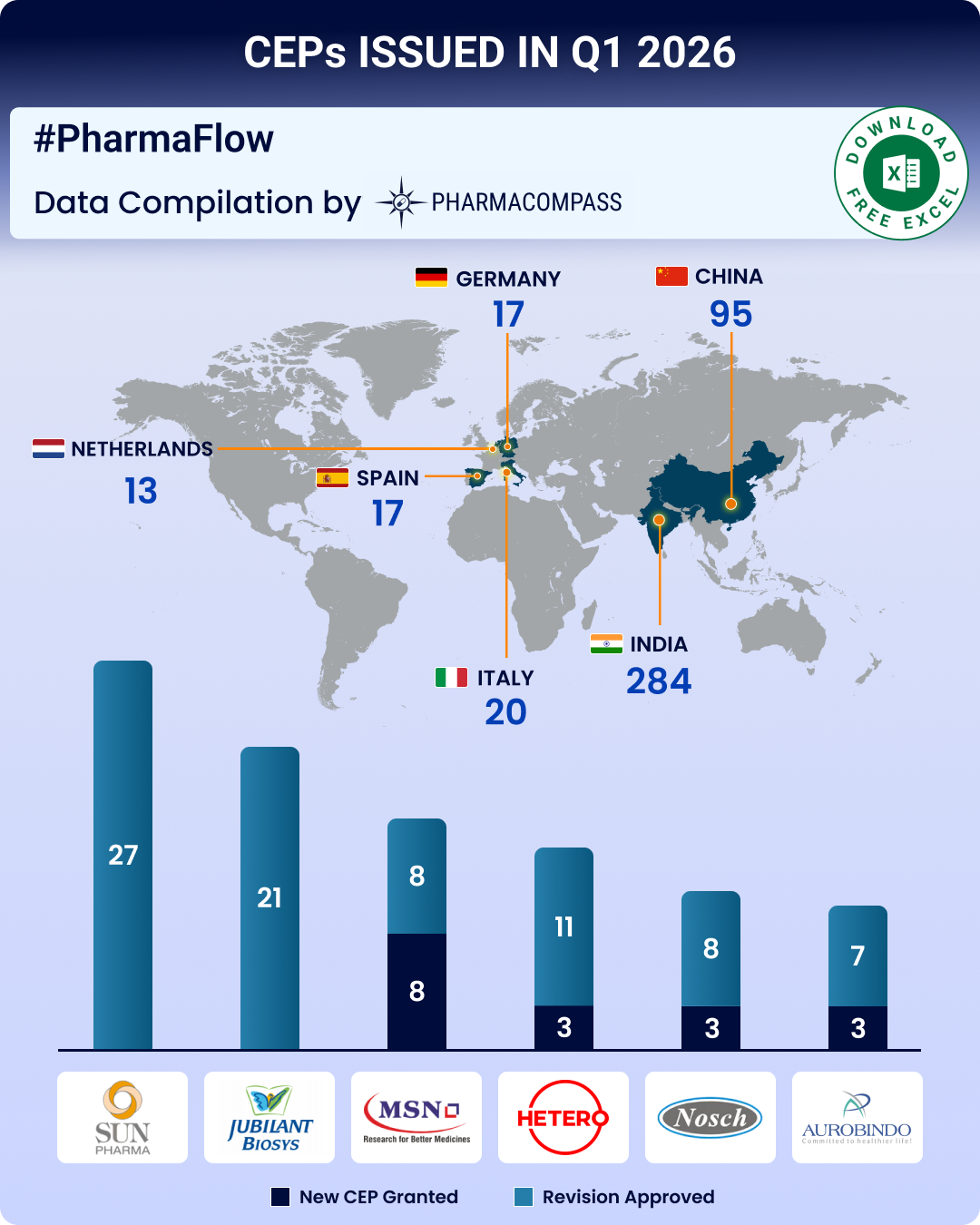
PharmaCompass is introducing a new regulatory update that tracks developments in Certificates of Suitability to the Monographs of the European Pharmacopoeia, referred to as CEPs. These certificates are a critical regulatory instrument in the global pharmaceutical supply chain. Also known as a Certification of Suitability (COS), CEPs are issued by the European Directorate for the Quality of Medicines and HealthCare (EDQM), with or without inspection of the manufacturing site. A CEP must be renewed every five years from its original issue date to remain valid, regardless of any revisions made during the interim period. However, a CEP does not replace Good Manufacturing Practice certification. CEPs are recognized as a trusted reference for API quality, thereby simplifying global registration strategies. Apart from Europe, the CEP system is widely used by many regulatory authorities, including those in Canada, Australia, Brazil, Singapore and South Africa.  View CEPs Issued in Q1 2026 (Power BI Dashboard, Free Excel Available) CEP 2.0 enhances regulatory clarity, brings efficiency, global interoperability  There are several types of CEPs, depending on the nature of the substance and evaluation. The most common type is the Chemical CEP, which confirms that a chemically synthesized API meets standards for purity and impurity control. Then there are Herbal CEPs for herbal substances and preparations. Another key category is the TSE CEP, which addresses risks associated with transmissible spongiform encephalopathies in animal-derived materials. In addition, there are Combined CEPs that may cover multiple aspects, such as chemical quality, TSE risk, and sterility. However, biological products such as vaccines and blood products fall outside the scope of the CEP framework. In 2023, the CEP system underwent a major transformation with the introduction of CEP 2.0, which marks a shift from a largely document-based system to a more structured, transparent, and digitally aligned model. This makes it easier for companies to manage compliance while improving trust among global regulators. While increasing data and compliance requirements for API manufacturers, CEP 2.0 enables better regulatory clarity, streamlined dossier integration, and stronger global acceptance. Overall, CEP 2.0 is designed to enhance regulatory clarity while making the system more efficient and globally interoperable. Indian firms issued maximum CEPs; Sun Pharma and its subsidiaries, Jubilant Biosys top list India topped the charts for CEPs issued, both in terms of new CEPs and revisions in the first quarter (Q1) of 2026. Indian companies were issued 81 new CEPs in Q1 2026 (as against 40 in Q1 2025) and 203 revisions (as against 129 in Q1 2025). In comparison, Chinese companies were issued 42 new CEPs in Q1 2026 (against 25 in Q1 2025) and 53 revisions (against 67 in Q1 2025). Italy came a distant third, followed by Germany and Spain. India’s Sun Pharmaceuticals and its subsidiaries topped the list of companies with the maximum number of CEPs issued— while no new CEP was issued, 27 CEPs were revised in Q1 2026. At second place was Jubilant Biosys — 21 CEPs were revised in Q1 2026. In terms of products, the maximum CEPs were issued for amlodipine besylate (a calcium channel blocker used for treating hypertension), followed by sitagliptin phosphate (a type 2 diabetes medicine) and pregabalin (a drug used to treat neuropathic pain, fibromyalgia, seizures, and generalized anxiety disorder). Both amlodipine besylate and sitagliptin phosphate had not been issued new CEPs or revisions in Q1 2025. EDQM introduces new guidelines to accelerate CEP assessments The EDQM charges fees for various services related to CEPs that depend on the type of request or regulatory activity involved. In general, fees apply to handling CEP applications, revisions or renewals and for offering technical advice (where applicants seek scientific or regulatory guidance). In March 2026, the EDQM introduced two new guidelines aimed at accelerating CEP assessments. The first is a reliance-based assessment pathway, which allows regulators to leverage prior approvals from trusted authorities, such as those in the EU, UK, Australia, Canada, and the WHO pre-qualification program. The second is a fast-track assessment route designed to expedite reviews in situations such as medicine shortages and to support initiatives like the EU Critical Medicines Act. Timelines have been significantly compressed under these new pathways. Initial evaluations are completed within 46 working days, compared to up to 115 days under the standard procedure. Applicants are given 30 calendar days to respond to queries, after which regulators complete the final assessment within 23 working days. Another important regulatory update relates to electronic submissions. From April 1, 2026, the EDQM will reject non-compliant CEP applications at the point of submission. All applications must include a validated electronic Common Technical Document (eCTD) dossier along with a proper validation report, submitted in line with the updated Common European Submission Portal (CESP) guidelines. Taken together, these developments signal a more rigorous yet efficient CEP ecosystem. Our view The shift to CEP 2.0 signals a move toward greater transparency, digitalization, and global regulatory alignment. Though enhanced disclosure and stricter e-submission requirements may increase the compliance burden, especially for smaller manufacturers, the long-term gains are expected to be significant. Going forward, companies that invest in data quality and regulatory readiness stand to gain from these changes.

Impressions: 3970

https://www.pharmacompass.com/radio-compass-blog/cep-q1-2026-update-cep-2-0-edqm-s-new-guidelines-strengthen-ecosystem-indian-firms-top-list-of-ceps-issued

#PharmaFlow by PHARMACOMPASS
09 Apr 2026
FDA approvals drop 24% in H1 2025; GSK’s UTI med, Vertex’s non-opioid painkiller lead pack of first-in-class meds
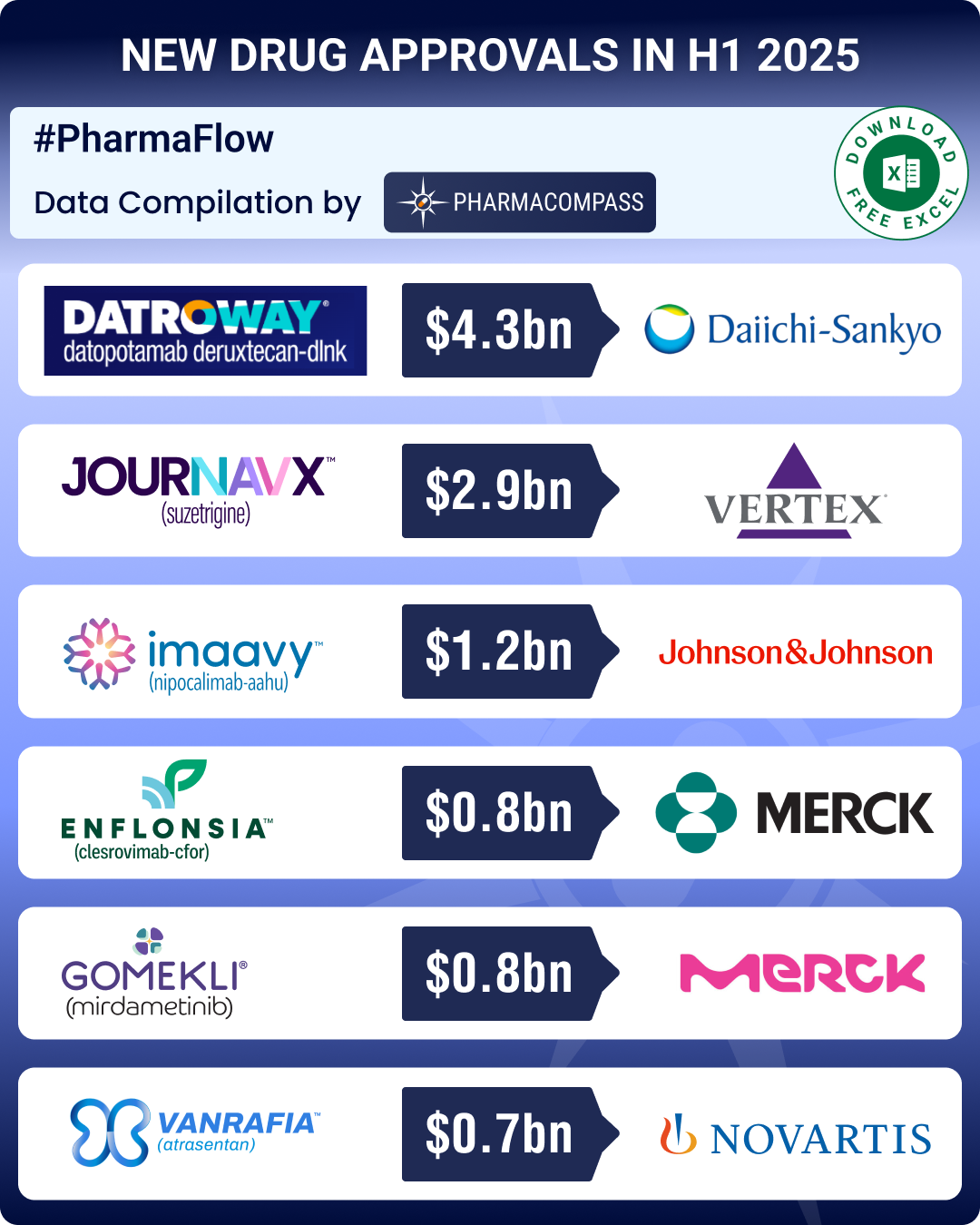
It has been a turbulent year for the US Food and Drug Administration (FDA), marked by reductions in both staff and budget, shake-ups at the top and a reduction in inspections. This upheaval has clearly impacted the functioning of the agency, with reports of missed deadlines and reduced responsiveness. This disruption resulted in a slowdown in new drug approvals in the first half of 2025 (H1 2025), as opposed to the same period last year. Incidentally, drug approvals in H1 2024 were also down by 19 percent compared to H1 2023. FDA’s Center for Drug Evaluation and Research (CDER) approved 16 novel drugs in H1 2025, down from 21 in H1 2024, a decline of nearly 24 percent. Of these, nine were small molecules and seven were biologics. The period saw eight first-in-class therapies get CDER’s approval, as opposed to 17 in H1 2024. FDA’s Center for Biologics Evaluation and Research (CBER) approved seven biologics in H1 2025, compared to eight in the same period last year. In comparison, both Health Canada and the European Medicines Agency (EMA) reported a strong rebound in approvals and authorizations, respectively. Health Canada approved 20 drugs in H1 2025, as opposed to 10 in H1 2024. Similarly, EMA authorized 19 new therapies in H1 2025, compared to 15 in H1 2024. Notably, EMA’s pending decisions increased to 25 in H1 2025, from 14 in the same period last year, while conditional authorizations remained static at five. This underscores EMA’s active regulatory pipeline, suggesting that more drugs could be approved in Europe soon.   View New Drug Approvals in H1 2025 with Estimated Sales (Free Excel Available) Vertex’s non-opioid painkiller, GSK’s antibiotic for UTI, Merck’s RSV antibody bag FDA nods  Oncology remained the single largest category in H1 2025 with seven new drugs being approved by the FDA, followed by four rare diseases and disorders and as many infections and infective diseases.  The eight drugs that were designated first-in-class in H1 2025 are: Journavx (Suzetrigine), Imaavy (nipocalimab), Emrelis (telisotuzumab vedotin), Blujepa (gepotidacin mesylate), Qfitlia (fitusiran), Avmapki Fakzynja Co-Pack (avutometinib potassium/defactinib hydrochloride), Tryptyr (acoltremon), and Andembry (garadacimab). In January, a new class of non-opioid pain therapy made a debut — FDA approved Vertex Pharmaceuticals’ Journavx (suzetrigine). This first-in-class oral analgesic could bring in US$ 2.9 billion in sales for Vertex by 2030. The half year also saw a new oral antibiotic — GSK’s Blujepa (gepotidacin) — for treating uncomplicated urinary tract infections (uUTIs) bag FDA approval. This is the first new antibiotic for uUTIs in nearly three decades. It treats infections caused by resistant pathogens such as E. coli and K. pneumoniae In June, Merck’s Enflonsia (clesrovimab), a long-acting monoclonal antibody, won FDA approval to prevent respiratory syncytial virus (RSV) lower respiratory tract disease in neonates and infants entering their first RSV season. A single 105 mg dose provides protection for about five months, the length of a typical RSV season. Enflonsia could bring in US$844 million in annual sales by 2030. FDA approves four meds for rare diseases, including SpringWorks’ Gomekli, Novartis’ Vanrafia In H1 2024, rare genetic diseases had witnessed some significant approvals. The trend continued in H1 2025. In February, Gomekli (mirdametinib), developed by SpringWorks Therapeutics, became the first approved therapy for neurofibromatosis type 1 (a genetic disorder that causes tumors to grow on nerve tissues) in adult and pediatric patients who have symptomatic plexiform neurofibromas (benign, complex nerve tumors) not amenable to complete resection. Analysts expect peak sales of around US$ 0.8 billion by 2030. Post this approval, SpringWorks got acquired by Merck KGaA for approximately US$ 3.9 billion. The same month, Ono Pharma-owned Deciphera’s Romvimza (vimseltinib) became the first oral therapy approved for another rare disease known as symptomatic tenosynovial giant cell tumor. This is a benign but aggressive growth that can be painful. This new drug offers patients an option beyond surgery. In March, Sanofi’s Qfitlia (fitusiran) was approved for routine prophylaxis in hemophilia A or B, with or without inhibitors. And in April, Novartis’ Vanrafia (atrasentan) was granted accelerated approval for IgA nephropathy (a chronic autoimmune kidney disease), which is at the risk of rapid progression. Vanrafia could bring in sales of over US$ 735 million by 2030 Johnson & Johnson secured approval for Imaavy (nipocalimab-aahu) for generalized myasthenia gravis (a chronic autoimmune disease that causes muscle weakness) in adults and adolescents. Imaavy’s sales could cross US$1.17 billion by 2030. Rare diseases continue to attract regulatory attention, with the trend carrying into the current quarter. July witnessed two noteworthy rare-disease approvals — Ekterly (garadacimab), CSL’s once-monthly prophylactic treatment for hereditary angioedema (a genetic disorder that causes recurrent episodes of swellings), and Sephience (pegvaliase-abcx), BioMarin’s new therapy for phenylketonuria (a rare metabolic disorder). FDA greenlights new oncology therapies, including Astra’s Datroway, AbbVie’s Emrelis The field of oncology saw some notable new drug approvals. In January, Datroway (datopotamab deruxtecan), an antibody-drug conjugate (ADC) developed by AstraZeneca and Daiichi Sankyo, was granted approval for adults with unresectable or metastatic, hormone receptor-positive, HER2-negative breast cancer. Later, in June, the FDA granted accelerated approval  to AstraZeneca;s Datroway for adults with locally advanced or metastatic, EGFR-mutated non-small cell lung cancer. The drug’s peak annual sales are projected at about US$ 4.2 billion by 2030. In May, Emrelis (telisotuzumab vedotin-tllv), AbbVie’s ADC was granted FDA’s accelerated approval. Emrelis treats locally advanced or metastatic non-squamous non-small cell lung cancer (NSCLC) characterized by significantly increased levels of the c-Met protein in cancer cells. FDA also approved a companion diagnostic test — Roche's Ventana — in May to determine the c-Met protein biomarker status in order to identify patients eligible for Emrelis.  The same month, FDA also granted accelerated approval to Verastem’s Avmapki Fakzynja Co-pack, a dual oral therapy for adults with KRAS‑mutated recurrent low‑grade serous ovarian cancer (LGSOC). This novel regimen combines two inhibitors — avutometinib and defactinib — to disrupt critical signaling pathways that fuel tumor growth. In ophthalmology, Alcon re-entered the prescription pharmaceutical market with Tryptry (acoltremon), a first-in-class TRPM8 agonist for dry eye disease, which stimulates corneal nerves to increase tear production. Our view The changes in the FDA are clearly having a far-reaching impact on the global pharmaceutical industry. There have been reports of drugmakers losing confidence in the FDA, which has been a gold standard for drug regulation. Some American biotechs are shifting early trials outside of the US. With EMA and Health Canada authorizing/approving a larger number of drugs in H1 2025, we do see some changes underway that may eventually reshape drug development.  

Impressions: 8104

https://www.pharmacompass.com/radio-compass-blog/fda-approvals-drop-24-in-h1-2025-gsk-s-uti-med-vertex-s-non-opioid-painkiller-lead-pack-of-first-in-class-meds

#PharmaFlow by PHARMACOMPASS
28 Aug 2025
US drug shortages reduce 16% YoY in Q1 2025; CNS drugs, antimicrobials face highest scarcities
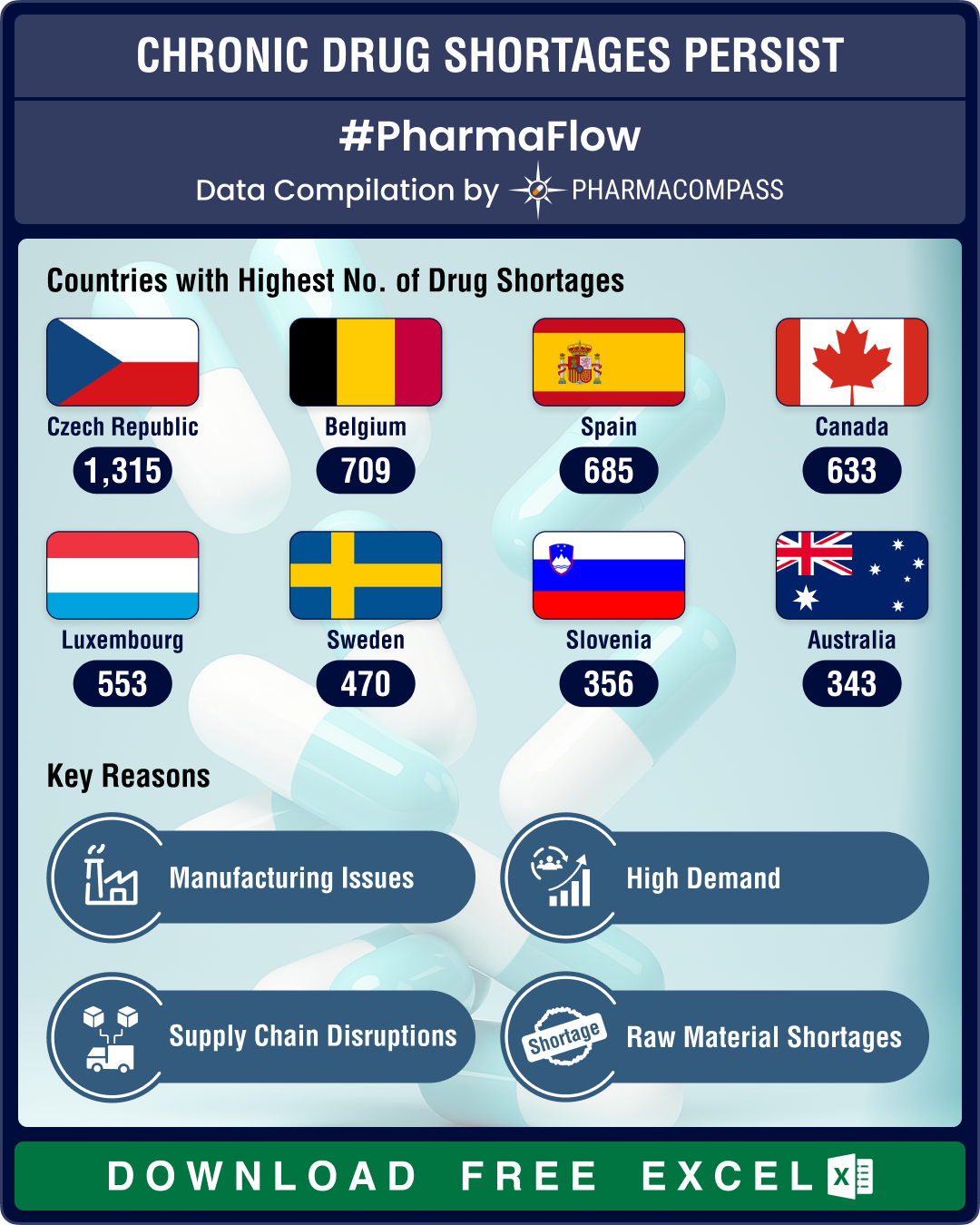
The pharmaceutical industry in the United States continued to grapple with drug shortages during the first quarter (Q1) of 2025. According to the American Society of Health‑System Pharmacists (ASHP), the total number of active shortages stood at 270 as of March 31, 2025 — only slightly below the 277 reported in September 2024, but down 16.4 percent from an all‑time high of 323 reported in Q1 2024. These numbers imply that while dramatic surges in drug shortages may have subsided, underlying vulnerabilities in manufacturing, supply chains, and raw‑material sourcing continue to frustrate efforts towards a durable resolution. A deeper analysis of these drug scarcities reveals that 41 percent of the 270 active shortages first emerged in 2022 or earlier. This implies that many of the current disruptions have become chronic in nature and are exerting pressure on pharmacy operations.  View Our Interactive Dashboard on Drug Shortages So Far in 2025 (Free Excel Available) CNS drugs dominate with 49 meds in short supply; antimicrobials face shortage of 39 drugs  Class‑specific analysis reveals that central nervous system (CNS) agents remained the most disrupted category, with 49 distinct CNS drugs having faced scarcities during Q1. This group spans anxiolytics (anti-anxiety drugs) such as clonazepam and flurazepam, sedatives like lorazepam and midazolam, and stimulants such as methylphenidate and lisdexamfetamine. These shortages pose two challenges — controlling seizures and managing sedation in acute care settings.  After CNS agents, antimicrobials was the second‑largest category, with shortages affecting 39 drugs. Key antibacterial and anti-fungal agents such as cefotaxime sodium powder for injection, clindamycin phosphate, rifampin, and metronidazole find themselves on ASHP’s active‑shortage roster, threatening both routine hospital protocols and emergency sepsis management. Fluids and electrolytes occupied the third spot, with 29 items facing shortage in Q1 2025. Hormone agents, including insulin analogs, ranked fourth with 24 drugs in short supply. Chemotherapy medications rounded out the top five categories, with 23 antineoplastic agents (a broad class of medications used to treat cancer) flagged as actively constrained in Q1 2025. Notable shortages included azacitidine, carboplatin, methotrexate, and streptozocin. US faces 26 new shortages; Pharmacopeia list warns of 100 vulnerable medications The first quarter saw the emergence of 26 new shortage declarations, emphasizing that even drugs previously deemed reliably sourced can fall into scarcity. The US has been facing a shortage of attention deficit hyperactivity disorder (ADHD) drugs since 2022. The new shortages included ADHD transdermal patch methylphenidate, peginterferon alfa‑2a (Pegasys) used in chronic hepatitis B and C, and bacitracin ophthalmic ointment. The fragility of the pharmaceutical supply chains has been particularly evident in the aftermath of natural disasters. Hurricane Helene’s flooding at Baxter’s Marion, North Carolina, facility deeply affected IV‑solution supply lines. Baxter supplies roughly 60 percent of the US’ IV fluids and the ASHP report listed “hurricane” as the reason behind nine percent of drug shortages, as of January 2025. Regulatory and policy interventions continue to evolve. The US Pharmacopeia’s inaugural Vulnerable Medicines List, launched in 2025, identifies 100 drugs at the highest risk of future shortages, with a particular focus on injectables (comprising 71 percent of the list) and essential hospital care. Antibiotics, medications for pain management and oncology are the other drugs on the list. Although 61 percent of these vulnerable medicines were not in active shortage at the time of listing, their inclusion is intended to galvanize manufacturers and purchasing organizations to bolster inventories. Meanwhile, the Government Accountability Office in the US has called on the Department of Health and Human Services (HHS) to establish a formal coordination mechanism, warning that elimination of the HHS supply‑chain coordinator role in May 2025 risks fragmenting federal response efforts. Global shortages mirror US patterns; Europe launches monitoring platform Globally, we notice comparable trends. For instance, Europe has rolled out the European Shortages Monitoring Platform (ESMP) this year in order to centralize shortage reporting across member states. Critical‑medicine shortages in the EU — in areas such as oncology, ADHD, and critical care analgesics — mirror US patterns. The European Medicines Agency’s shortage list currently holds 37 human drugs. According to Health Canada’s May 12, 2025 update, its Tier 3 list had 18 drug shortages that are considered to have the greatest impact on Canada’s drug supply and health‑care system. Tier 3 designation is based on medical necessity and minimal availability of alternatives. In hematology and oncology, scarcity of essential drugs like Oncaspar for acute lymphoblastic leukemia, idarubicin and lomustine for leukemias and brain tumors, anagrelide for thrombocythemia, and preservative‑free methotrexate for various malignancies underscore the impact these drug shortages can have on treatment.Our view The global pharma supply chain is dealing with a fresh wave of uncertainties, especially with the likelihood of tariffs on drugs imported into the US. Analysts warn that the proposed pharmaceutical tariffs could exacerbate supply issues. Over 50 percent of drugs used in the US are manufactured abroad. Generic sterile injectable drugs — like chemotherapy medications and IV saline — are particularly vulnerable due to their complex manufacturing processes and low profit margins. Generic drugs (which account for 90 percent of prescriptions filled in the US) could face increased pressure, as many rely on raw materials from China and India. This could result in more severe drug shortages in the future.

Impressions: 5731

https://www.pharmacompass.com/radio-compass-blog/us-drug-shortages-reduce-16-yoy-in-q1-2025-cns-drugs-antimicrobials-face-highest-scarcities

#PharmaFlow by PHARMACOMPASS
22 May 2025
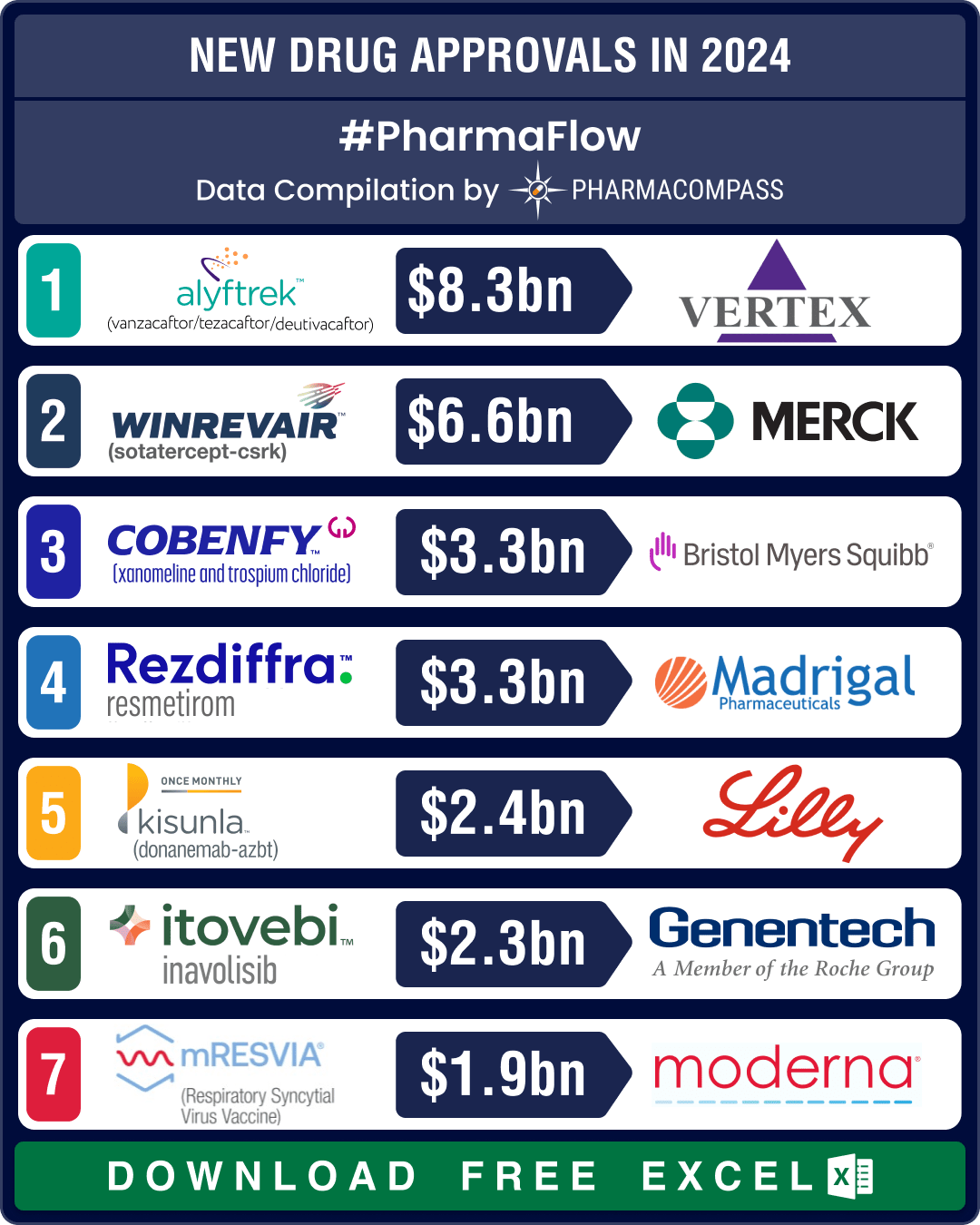
FDA okays 50 new drugs in 2024; BMS’ Cobenfy, Lilly’s Kisunla lead pack of breakthrough therapies
In 2024, the biopharma industry continued to advance on its robust trajectory of innovation. Though the US Food and Drug Administration’s Center for Drug Evaluation and Research (CDER) and the Center for Biologics Evaluation and Research (CBER) approved fewer drugs, there was a significant increase in medical breakthroughs.  While the CDER approved 50 new drugs in 2024, as compared to 55 in 2023, the CBER granted 14 biologics approvals in 2024, down from 20 in 2023. The European Medicines Agency (EMA) approved 34 new therapies, up from 32 in 2023, while Health Canada granted 28 approvals, down from 38 in 2023. The year saw long-awaited treatments being approved in areas such as schizophrenia and Alzheimer’s disease in the second half (H2) of 2024. In H1 2024, drugs to treat metabolic dysfunction-associated steatohepatitis (MASH) and chronic obstructive pulmonary disease (COPD) had been granted FDA approvals. As the year drew to a close, FDA began approving drugs at a feverish pace, with 29 of the CDER’s 50 approvals coming in H2. Like most years, the landscape of drug approvals was dominated by oncology, with 15 of the 50 drugs (30 percent) approved targeting various forms of cancer. This was followed by dermatology and non-malignant hematology, each accounting for 12 percent of approvals. Notably, small molecules continued to dominate the market, making up for 64 percent of the new drug approvals, while 32 percent were proteins, including monoclonal and bi-specific antibodies.  View New Drug Approvals in 2024 with Estimated Sales (Free Excel Available) Karuna-BMS’ schizophrenia drug, Lilly’s Alzheimer’s med, Neurocrine’s Crenessity dominate list of pathbreaking approvals in H2  Out of the 50 new drugs approved in 2024, CDER identified 24 (48 percent) as first-in-class, showcasing novel mechanisms of action. The most anticipated approval of 2024 was Karuna and Bristol Myers Squibb’s Cobenfy, a groundbreaking treatment for schizophrenia. This fixed-dose combination of xanomeline and trospium chloride represents the first novel mechanism of action in decades for this debilitating psychiatric condition. Analysts forecast peak annual sales of over US$ 3.3 billion for Cobenfy.  Eli Lilly’s Alzheimer’s drug Kisunla (donanemab) became the third amyloid-targeting antibody to gain FDA approval. Unlike its predecessors, Kisunla offers a unique limited-duration treatment regimen, allowing patients to discontinue therapy once amyloid levels in the brain drop below a certain threshold. Priced at approximately US$ 32,000 per year, it is positioned as a cost-effective alternative to existing treatments. Analysts estimate peak sales of US$ 2.4 billion for Kisunla. Crenessity (crinecerfont), developed by Neurocrine Biosciences, became the first FDA-approved treatment in decades for classic congenital adrenal hyperplasia (genetic conditions that affect the adrenal glands). Similarly, Vertex’s triple combination therapy of deutivacaftor, tezacaftor & vanzacaftor (Alyftrek) for cystic fibrosis represents a significant advancement in genetic disease treatment. Analysts forecast peak sales exceeding US$ 8.3 billion, underscoring the therapy’s potential to transform patient care. Meanwhile, Bridgebio’s Attruby (acoramidis hydrochloride) emerged as a promising treatment for cardiac amyloidosis, a life-threatening condition. Roche’s Itovebi, Checkpoint’s Unloxcyt clinch FDA approvals in H2 2024; forecast to achieve blockbuster status The dominance of cancer drug approvals reflects the ongoing focus on targeted therapies, immuno-oncology, and precision medicine to improve outcomes for patients with hard-to-treat cancers. Among the year’s notable FDA approvals was Genentech’s Itovebi (inavolisib), another targeted therapy that treats hormone receptor-positive (HR+), HER2-negative breast cancer. Itovebi is a PI3Kα inhibitor designed specifically for patients with PIK3CA mutations, a common driver of resistance to endocrine therapy in breast cancer. It demonstrated a more tolerable safety profile. Roche projects Itovebi’s peak (annual) sales to reach CHF 2 billion (US$ 2.3 billion). Checkpoint Therapeutics’ Unloxcyt (cosibelimab) joined the crowded checkpoint inhibitor market as the eleventh PD-1/PD-L1-targeting monoclonal antibody approved by the FDA. It was granted approval for cutaneous squamous cell carcinoma (cSCC), an aggressive form of skin cancer with high recurrence rates. As compared to other checkpoint inhibitors, like Keytruda (pembrolizumab) and Opdivo (nivolumab), Unloxcyt is likely to offer an advantage in immune activation. FDA also approved Astellas’ Vyloy (zolbetuximab), a first-in-class monoclonal antibody for metastatic gastric and gastroesophageal junction (GEJ) adenocarcinoma. Analysts forecast peak sales of approximately US$ 850 million for Vyloy. Syndax Pharmaceuticals’ Revuforj (revumenib) was approved by FDA to treat a type of acute leukemia in both adults and children. This approval introduces a novel class of medications known as menin inhibitors. These agents are currently in clinical development for the treatment of genetically defined subsets of acute leukemia. These inhibitors function by preventing the activation of cancer growth-related proteins. Potential blockbusters Lilly’s Ebglyss, Galderma’s Nemluvio lead advances in dermatology Eli Lilly’s Ebglyss (lebrikizumab) garnered significant attention. Approved by FDA for moderate-to-severe atopic dermatitis, this monoclonal antibody introduces a less burdensome dosing regimen compared to its competitors, with maintenance therapy required only once a month. This feature positions it as a potential contender to Dupixent (dupilumab), a market leader in atopic dermatitis. Ebglyss sales are forecast to reach US$ 1.9 billion by 2030. Galderma’s Nemluvio (nemolizumab) secured FDA approval for two indications in 2024 — prurigo nodularis (a chronic disorder of the skin) and moderate-to-severe atopic dermatitis in patients aged 12 years and older. As the first humanized IgG2 monoclonal antibody targeting the IL-31 receptor, Nemluvio directly inhibits the key driver of itch and inflammation in both these conditions. With its unique mechanism and broad dermatology potential, analysts forecast peak sales of approximately US$ 1.66 billion.  Ebglyss and Nemluvio underscore the growing importance of biologics in dermatological care. Botanix Pharmaceuticals also made strides in dermatology by clinching an FDA approval for Sofdra (sofpironium) in June. The drug has been okayed for the treatment of primary axillary hyperhidrosis, a condition characterized by excessive sweating. Ascendis Pharma’s Yorvipath (palopegteriparatide), a therapy approved by FDA to treat hypoparathyroidism, is forecast to achieve blockbuster sales of US$ 1.8 billion by 2030, highlighting its potential to transform endocrine care. Our view Overall, 2024 was defined by its breakthrough drug approvals. The year also saw significant reduction in complete response letters (CRLs) — they dropped from 43 in 2023 to just 29 in 2024. This suggests improved industry preparedness and alignment with regulatory expectations. The new year began with the approval of Datroway (datopotamab deruxtecan) from AstraZeneca and Daiichi Sankyo, marking a significant advancement in oncology. Several other promising new drugs are coming up for FDA approval this year, such as J&J’s nipocalimab, Vertex Pharmaceuticals’ suzetrigine, Elevar Therapeutics’ rivoceranib/camrelizumab, Sanofi’s fitusiran and GSK’s gepotidacin. Hopefully, the momentum of breakthrough approvals will continue through 2025, political headwinds in the US notwithstanding.

Impressions: 14617

https://www.pharmacompass.com/radio-compass-blog/fda-okays-50-new-drugs-in-2024-bms-cobenfy-lilly-s-kisunla-lead-pack-of-breakthrough-therapies

#PharmaFlow by PHARMACOMPASS
30 Jan 2025
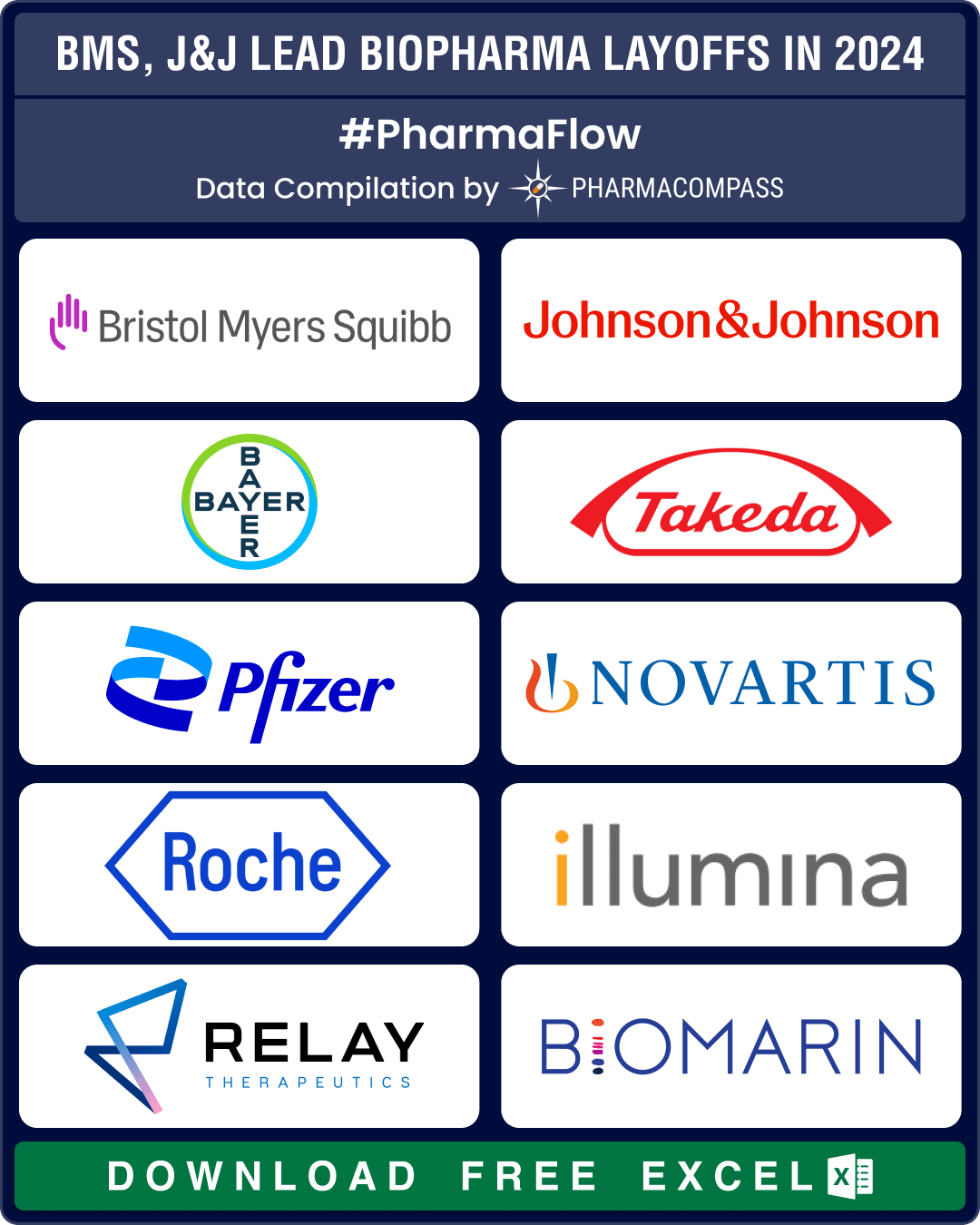
BMS, J&J, Bayer lead 25,000+ pharma layoffs in 2024; Amylyx, FibroGen, Kronos Bio hit by trial failures, cash crunch
Since 2022, there has been a significant surge in layoffs by pharmaceutical and biotech companies. While this trend continued into 2024, the industry showed signs of stabilization in the last four months of the year with the pace of layoffs slowing down. Nonetheless, 2024 was a challenging year. Data compiled by PharmaCompass indicates that over 25,000 layoffs were announced in 2024, driven by economic pressures, failed clinical trials, and strategic pivots. Bristol Myers Squibb and Johnson & Johnson led the layoffs with about 2,300 job cuts each. Bayer announced elimination of 1,800 positions.  View Our Interactive Dashboard on Biopharma Layoffs in 2024 (Free Excel Available) US, Europe, China bear brunt of job cuts; Big Pharma hands pink slips to 10,000  Over 190 biopharma companies announced layoffs in 2024. The year began on a grim note — 27 firms announced significant job cuts in January 2024. By the yearend, Big Pharma alone had contributed more than 10,000 layoffs to the year’s total of over 25,000. Novartis announced over 1,200 job cuts in 2024. It eliminated 330 jobs after it acquired German biotech MorphoSys through the closure of sites in Munich and Boston. Similarly, Bayer announced significant reductions at its US and Swiss facilities.  North America saw increased retrenchments, especially at biotech hubs such as Boston, San Diego, and New Jersey. Massachusetts, with Boston and Cambridge as the epicenter of US biotechnology, saw around 4,000 layoffs, with companies like Relay Therapeutics, Editas Medicine, and Takeda driving the numbers. In San Diego, workforce reductions by Takeda, and Bavarian Nordic collectively resulted in over 900 job losses, significantly impacting the local biotech ecosystem. New Jersey was subject to broader restructuring efforts with BMS and Bayer contributing nearly 1,500 layoffs. The impact in Europe was equally severe. Germany, home to some of the world’s largest pharmaceutical companies, saw over 2,500 layoffs as Bayer and Boehringer Ingelheim scaled back operations. Novartis’ decision to shut down its Munich site added hundreds more to the tally. In Switzerland, Idorsia eliminated 270 positions. Dutch biotech UniQure reduced its workforce by 65 percent (around 300 jobs). That included the sale of a Massachusetts manufacturing facility to Genezen. Denmark also felt the strain, with Leo Pharma cutting 250 roles as part of a strategic revamp. China emerged as another focal point of workforce reductions in 2024. Global pharmaceutical giants, such as Merck and Johnson & Johnson, restructured their operations in response to market complexities in the region. Local companies such as Connect Biopharma, which is transitioning to a US-focused company, also scaled back their presence in the country. Amylyx, FibroGen, Lyra, Athira drastically reduce staff over setbacks in clinical trials Clinical trial failures were one of the most significant drivers of layoffs in 2024. For instance, Amylyx Pharmaceuticals faced a devastating blow when its amyotrophic lateral sclerosis (ALS) therapy, Relyvrio, failed a confirmatory trial. This led to a 70 percent reduction in its workforce, leaving only 100 employees from the 384 full-time staff reported at the end of 2023. The company’s decision to pull the therapy from the market compounded the layoffs. BioMarin Pharmaceutical had to reduce its workforce, as it streamlined its pipeline in response to trial challenges. In August, the company announced a reduction of 225 employees, citing “organizational redesign efforts”. These layoffs followed 170 redundancies announced earlier in May. FibroGen, once considered a leader in oncology drug development, was among the most heavily impacted. The high-profile failure of its anti-CTGF antibody in two late-stage cancer trials led to the discontinuation of its lead candidate, resulting in a 75 percent reduction in its US workforce. Lyra Therapeutics also implemented a 75 percent workforce reduction, affecting 87 employees, after its chronic rhinosinusitis program struggled. Similarly, Athira Pharma cut 70 percent of its team after its Alzheimer’s candidate failed a phase 2/3 trial. Cash crunch, mergers compel Kronos Bio, Editas, Vincerx, Gilead to downsize In addition to clinical failures, funding constraints played a pivotal role in reshaping the biotech landscape. Kronos Bio stood out as one of the hardest-hit firms, cutting 21 percent and 83 percent of its existing workforce in March and November, respectively, as it sought to divest assets and conserve cash. Editas Medicine’s inability to secure partnerships for its sickle cell program forced the company to revert to preclinical research, resulting in a 65 percent workforce reduction. The trend of scaling back R&D pipelines was particularly evident among biotechs struggling to advance preclinical programs to clinical trials. Boundless Bio and Senti Bio exemplified this, choosing to focus on a handful of promising candidates, while reducing discovery efforts. Consolidation often results in overlapping roles, leading to inevitable workforce reductions. Apart from the MorphoSys layoffs by Novartis, Vincerx Pharma faced job losses after it got acquired by Oqory (a clinical-stage ADC company). Vincerx had to cut its workforce by 55 percent.  Amid ongoing reorganization efforts, Gilead closed its Seattle, Washington (US), office and laid off 72 employees of its subsidiary Kite Pharma. Gilead also announced that its Kite facility in Philadelphia, Pennsylvania (US), would close by mid-2025. That was followed by 104 additional layoffs at its California headquarters. In April, it had cut 58 jobs in California. Gilead also announced that its Kite facility in Philadelphia would close by mid-2025. Vir Biotechnology reduced its workforce by 25 percent (i.e. 140 layoffs) to focus on its hepatitis program, and GlycoMimetics let go of 80 percent of its workforce after the FDA demanded an additional clinical trial for its leukemia treatment. Meanwhile, Lexicon Pharmaceuticals reduced its workforce by 60 percent after it stopped commercial operations and transitioned back to being a clinical stage company. Our view It takes decades to build innovation ecosystems. The concentration of layoffs in major biotech hubs has raised concerns about the potential long-term impact on these ecosystems. In 2025, the key challenge will be to maintain the momentum of innovation, as organizations operate with a leaner workforce and a more focused pipeline.  

Impressions: 9188

https://www.pharmacompass.com/radio-compass-blog/bms-j-j-bayer-lead-25-000-pharma-layoffs-in-2024-amylyx-fibrogen-kronos-bio-hit-by-trial-failures-cash-crunch

#PharmaFlow by PHARMACOMPASS
16 Jan 2025
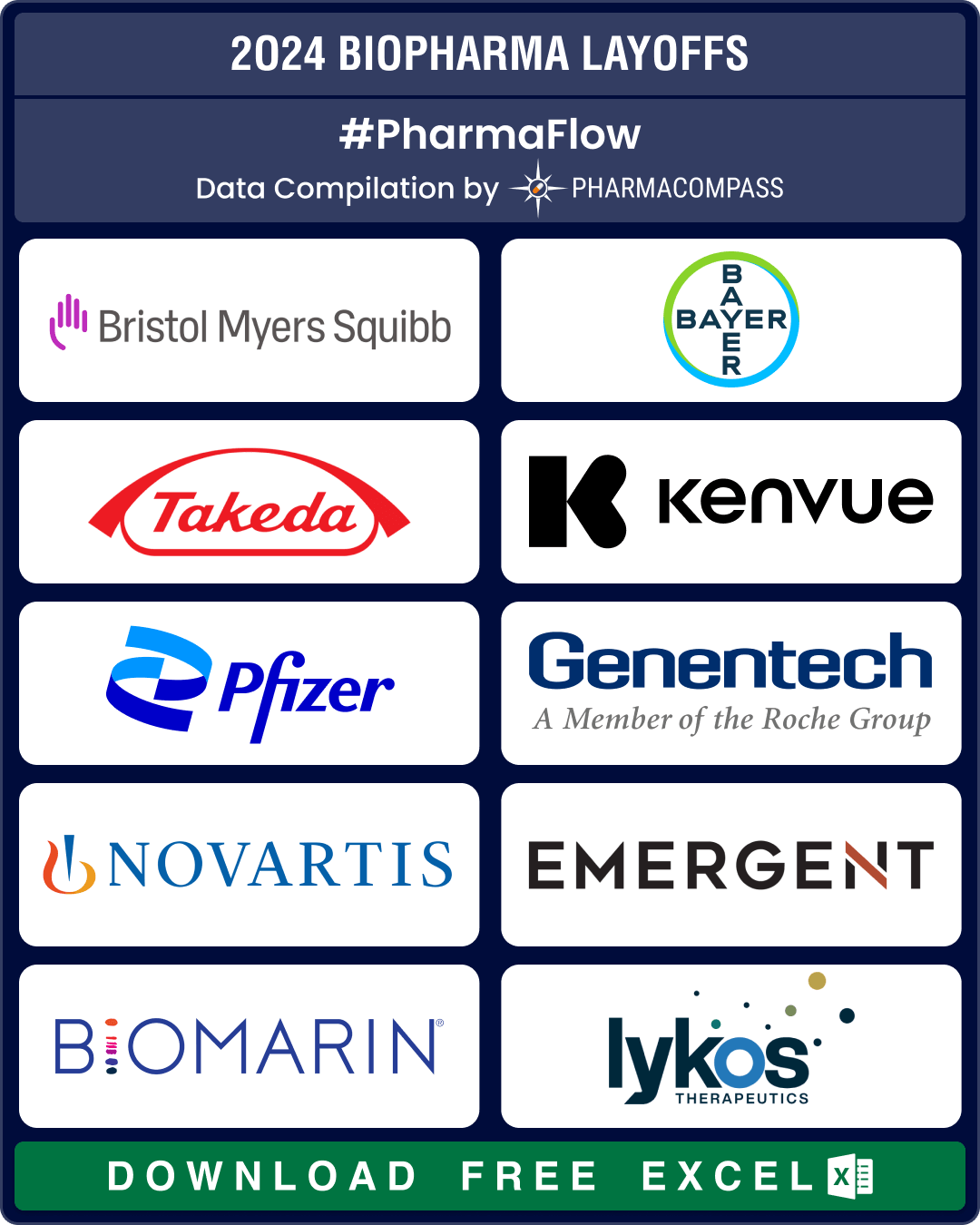
BMS, Bayer, Takeda, Pfizer downsize to combat cost pressures, meet restructuring plans
Over the last two years, there has been a significant surge in layoffs by pharmaceutical and biotech companies. The trend spilled over to 2024. Data compiled by PharmaCompass indicates that between January and early-September, around 150 companies had implemented layoffs. Bristol Myers Squibb (BMS) tops the list of companies that downsized, with a staggering 2,284 job cuts. Bayer stood second at 1,816 retrenchments, followed by Takeda Pharmaceuticals at 1,155. Johnson & Johnson’s spin-off Kenvue is slashing over 1,000 jobs this year, while Roche subsidiary Genentech is cutting 529 positions, and Novartis is going ahead with its multi-year restructuring, and cutting another 770 jobs. One of the primary drivers of layoffs has been the need for companies to streamline operations and reduce costs. Many firms have faced financial pressures due to reasons such as declining revenues, increased competition, and the high costs associated with drug development. The current wave of layoffs has encompassed geographies – from traditional pharma strongholds like New Jersey, biotech hubs in Massachusetts and California, to Europe (particularly Germany and Switzerland). This is not to suggest that job cuts are a norm. Certain segments have been experiencing substantial growth and job creation. This includes companies like Eli Lilly and Novo Nordisk that have experienced remarkable growth due to the efficacy of their glucagon-like peptide-1 (GLP-1) receptor agonists, a class of drugs that treats type 2 diabetes and obesity.  View Our Interactive Dashboard on Biopharma Layoffs in 2024 as of Sept. 7 (Free Excel Available) BMS cuts 2,284 jobs to meet cost targets, Bayer hands pink slips to 1,816 employees  Several large drugmakers have announced job cuts this year in order to meet their cost cutting goals, or as part of their restructuring exercise. BMS’ revenue had declined from US$ 46.2 billion in 2022 to US$ 45 billion in 2023. The financial pressure has compelled it to cut 2,284 jobs so far in this year, a move that sent shockwaves through the industry. Overall, BMS hopes to save approximately US$ 1.5 billion in costs by 2025 through this “strategic productivity initiative”. In Europe, Swiss-based companies like Novartis and Roche have announced substantial job cuts, while Bayer is reducing its workforce globally.  Bayer is laying off 1,816 employees worldwide, including 150 in Basel, Switzerland. A majority of these are management roles as the German drugmaker seeks to target € 500 million (US$ 557 million) in cost savings in 2024 and € 2 billion (US$ 2.23 billion) in 2026. Japanese drugmaker Takeda plans to eliminate 1,155 positions, including 324 jobs in San Diego and 641 in Massachusetts. Takeda is also winding down production and R&D operations in Austria, resulting in 190 job losses. Starting next month, Genentech, a Roche subsidiary, will lay off 93 employees in San Francisco. Earlier this year, Genentech trimmed roughly 3 percent of its workforce across several departments, impacting 436 employees. Roche also laid off around 340 employees in its product development team. Novartis has been undergoing a significant restructuring exercise since 2022, when it announced 8,000 job cuts in its global workforce. This year, it announced an additional 770 job cuts in its product development organization, separate from the previous reductions. Once again, it was workforces in Switzerland (440 job cuts) and US (269 job cuts) that bore the brunt. Tylenol and Band-Aid maker Kenvue, which spun off from J&J last year, announced plans to cut 920 jobs, representing about 4 percent of its global workforce. Additionally, the company will lay off 51 employees in New Jersey and 84 in California. These layoffs are part of Kenvue’s efforts to adjust its cost structure and become more competitive. Perrigo, Emergent Bio, Catalent, BioMarin trim workforces amid strategic shifts Several mid-size companies too are under tremendous cost pressures, with some of them feeling the need to reinvent themselves for the future. In February this year, Perrigo had embarked on ‘Project Energize’, a three-year initiative aimed at boosting organizational agility and achieving long-term success. As part of this project, Perrigo is cutting costs and laying off 6 percent of its staff, which translates into nearly 550 employees. CDMO-turned-biopharma Emergent BioSolutions plans to reduce its workforce by about 300 employees. The Maryland-based multinational is closing its Baltimore-Bayview drug substance manufacturing facility and its Rockville drug product facility in the state. Rare disease biotech BioMarin laid off 395 employees globally, about 12 percent of its workforce, as part of “organizational redesign efforts” to prioritize its new strategy with its hemophilia A gene therapy Roctavian and to preserve cash. Drug-delivery specialist Catalent has also been significantly impacted by restructuring efforts ever since it announced 1,100 layoffs in December. It had then attributed its fall in revenue to declining Covid-related sales, but had also noted that future GLP-1 manufacturing revenues could help stabilize its finances. True enough — it subsequently announced that it is in the process of being acquired by Novo Nordisk’s parent company for US$ 16.5 billion. However, Catalent reported reducing its headcount by an additional 300 in the fourth quarter of 2023. Pfizer job cuts continue to trickle in; Lykos, Lyra downsize after pipeline setbacks Clinical trial failures and financial constraints have also played a significant role in this year’s wave of layoffs. At Pfizer, job cuts continued to trickle in, with some estimates putting the number at 1,500 employees in 2024. These include 285 at its vaccine R&D site in New York, and 52 in San Francisco. The Comirnaty maker also pulled the plug on a long-anticipated, near-complete Seagen drug manufacturing plant in Everett, Washington. About 120 employees at the site were let go.  It has been a tumultuous time for Lykos Therapeutics, following the US Food and Drug Administration’s rejection of its MDMA-assisted therapy for post-traumatic stress disorder. Lykos announced laying off 75 percent of its staff (i.e. 75 employees). Its founder, who had spent 38 years working on the therapy, left the company and so did its CEO. However, Lykos has not given up and has roped in a Janssen veteran as senior medical advisor to get the therapy past the finish line. Similarly, Lyra Therapeutics is laying off 75 percent of its workforce (i.e. 87 employees) following disappointing late-stage results for its implant to treat chronic rhino-sinusitis. The retrenchments include its chief technology officer. Our view Technology, regulatory and pricing pressures are shaping strategies of pharmaceutical companies. The drive to do more with less could accelerate the adoption of artificial intelligence, machine learning, and automation in drug discovery and development processes. The employment landscape is certainly evolving. We foresee significant changes in the skills required for pharmaceutical and biotech careers, with a growing emphasis on data science and computational biology.

Impressions: 5838

https://www.pharmacompass.com/radio-compass-blog/bms-bayer-takeda-pfizer-downsize-to-combat-cost-pressures-meet-restructuring-plans

#PharmaFlow by PHARMACOMPASS
19 Sep 2024
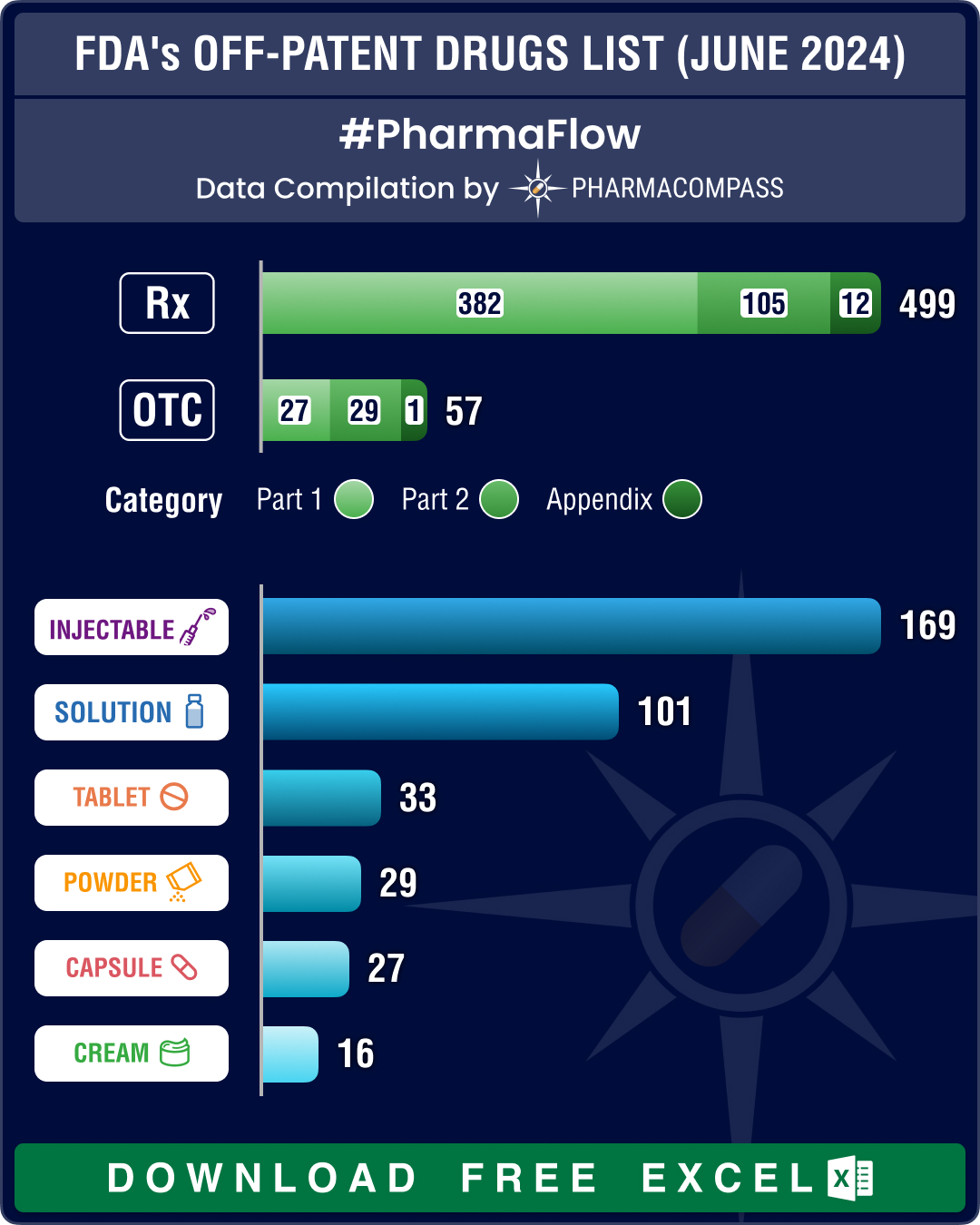
FDA’s June 2024 list of off-patent, off-exclusivity drugs sees rise in cancer, HIV treatments
This week PharmaCompass brings to you key highlights of the US Food and Drug Administration’s recently released June 2024 list of Off-Patent, Off-Exclusivity Drugs without an Approved Generic (OPOE list). The list is a crucial resource for promoting competition and affordability in the pharmaceutical industry. Updated biannually in December and June, the OPOE list serves as a transparent guide for drug manufacturers. Since December 2021, the FDA has enhanced its transparency efforts by providing separate lists for prescription (Rx) and over-the-counter (OTC) drugs approved under a New Drug Application (NDA). This initiative is a significant cog in the FDA’s broader strategy to encourage the development and submission of Abbreviated New Drug Applications (ANDAs). ANDAs are a streamlined pathway for generic drug development, offering a more cost-effective alternative to brand-name drugs. By highlighting drugs that lack generic competition on the OPOE list, FDA aims to incentivize manufacturers to develop generics, ultimately leading to greater affordability and access for patients.   Access the Interactive Dashboard on FDA's June 2024 List of Off-Patent Drugs (Free Excel)  ALS drugs, cancer, asthma, HIV treatments among new drugs added to OPOE list  The December 2023 OPOE list had 23 new applications of branded drugs eligible for but without generic competition. The June list further added 21 new applications of drugs that had never appeared before. These include bendamustine hydrochloride (to treat chronic lymphocytic leukemia), fluticasone propionate (to treat asthma), maraviroc (to treat HIV-1 infection in patients two years of age and older weighing at least 10 kilograms), carbamazepine (to treat epilepsy and bipolar I disorder), and posaconazole (an antifungal agent indicated for Aspergillus and Candida infections). There are two other drugs on the list – edaravone and riluzole – to treat amyotrophic lateral sclerosis (ALS) or Lou Gehrig’s disease (a neurological disorder).  Much like the June 2023 OPOE list, nearly one-third of the prescription drugs listed are injectables – 170 out of 499. There are 74 prescription entries for oral solid dosage forms (such as tablets, capsules and modified release forms). The June 2024 OPOE list has 57 OTC drugs, a tad shy of the 60 drugs in last year’s list. Among them are antihistamine drugs (used to treat allergies), cetirizine hydrochloride, nizatidine, famotidine, loratadine and anti-obesity medication orlistat. The list also had a newly listed drug, which is a combination of chlorpheniramine maleate, ibuprofen and pseudoephedrine hydrochloride for treating allergic sinusitis. Out of the 57 OTC drug products on the list, 18 are delivered as oral solid dosage forms. Novartis blockbusters lose exclusivity, Lupin wins FDA nod for copycat of Neurocrine’s bestseller This year, several large-selling drugs from drugmakers like Eisai, AbbVie, Gilead, Sanofi, Fresenius Kabi and others are due to face their first generic or biosimilar challengers in the US market. “First generics” are given for a first-to-file ANDA, for which there is no previously-approved ANDA by the FDA for the drug product. The agency considers first generics to be important to public health and prioritizes review of these submissions. First generics are eligible for a 180-day exclusivity period.  Three of Novartis’ drugs have lost exclusivity so far, this year. These include Promacta/Revolade (eltrombopag) used to treat thrombocytopenia (low platelet count). Promacta was approved in 2015 and saw sales of US$ 2.27 billion last year. Annora Pharma scored an FDA approval for eltrombopag’s first generic in April. Tasigna (nilotinib), the Swiss drugmaker’s oral treatment for Philadelphia chromosome-positive chronic myeloid leukemia (a kind of leukemia where patients have an abnormal chromosome in their blood cells called the Philadelphia chromosome), got its first generic in January, which was introduced by Apotex. Tasigna brought in sales of US$ 1.85 billion in 2023 and its sales are projected to plummet to US$ 79 million by 2029. Novartis’ Rydapt (midostaurin) for treating adult patients with newly diagnosed acute myeloid leukemia (AML) also lost exclusivity in April. Neurocrine Biosciences’ top-selling drug Ingrezza (valbenazine) was the first FDA-approved drug to treat tardive dyskinesia, a disorder that involves involuntary movements. It raked in US$ 1.84 billion in 2023, registering a year-on-year growth of 29 percent. In April, Lupin won FDA’s approval for the first generic of valbenazine capsules. Our view The Biden administration has been pushing hard to lower the price of prescription drugs. It is one of President Joe Biden’s central campaign promises this year. However, lowering drug prices is a bipartisan issue in the US. So whether a republican or a democrat takes over the US administration, making medicines affordable should remain a priority. In 2023, generic drugs accounted for US$ 424 billion of the US$ 1.6 trillion global pharmaceutical market. A determined FDA that is proactively looking to approve generic drugs will no doubt help this segment grow even further.

Impressions: 6024

https://www.pharmacompass.com/radio-compass-blog/fda-s-june-2024-list-of-off-patent-off-exclusivity-drugs-sees-rise-in-cancer-hiv-treatments

#PharmaFlow by PHARMACOMPASS
11 Jul 2024
FDA approves record eight biosimilars in H1 2024; okays first interchangeable biosimilars for Eylea
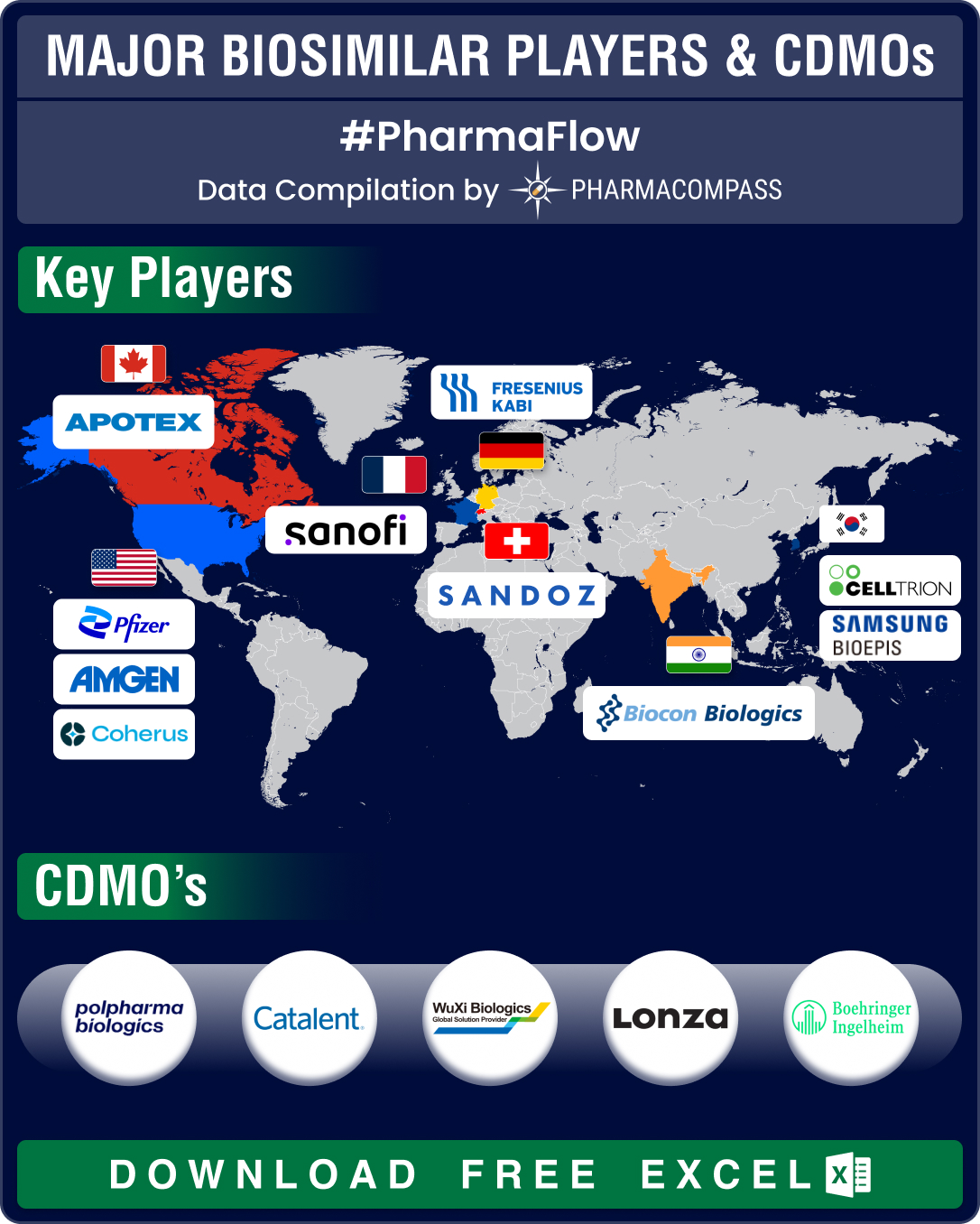
Biologics, or complex drugs that are derived from living organisms, have revolutionized treatment of various conditions such as cancer, autoimmune diseases, and chronic illnesses. In 2023, eight out of 10 of the world’s top-selling drugs were biologics, including Merck’s Keytruda, AbbVie’s Humira, and Sanofi’s Dupixent. Due to their high costs, accessibility of biologics has been a challenge. That’s why biosimilars, or game-changing copycats of biologics that provide highly similar yet more affordable alternatives to established biologics, are becoming popular. The first biosimilar — Sandoz’ Zarxio — was approved by the US Food and Drug Administration (FDA) in 2015. Its reference biologic was Amgen’s Neupogen (filgrastim).  Since then, the global market for biosimilars has been growing at an impressive pace — between 2015 and 2020, it grew at a whopping compounded annual growth rate (CAGR) of 78 percent, touching US$ 17.9 billion in size. It is expected to continue growing at a CAGR of 15 percent and reach a size of about US$ 75 billion by 2030. Major biosimilar players include Amgen, Sandoz, Samsung Bioepis, Pfizer, Biocon Biologics, Celltrion, Stada Arzneimittel, Accord Healthcare, Fresenius Kabi, Coherus Biosciences, Apotex, and Sanofi. The increasing demand for biosimilars has propelled growth in contract manufacturing. Some of the leading contract manufacturing organizations (CMOs) and contract development and manufacturing organizations (CDMOs) that manufacture biosimilars are Polpharma Biologics, Catalent, Pfizer CentreOne, Lonza, Boehringer Ingelheim BioXcellence, Thermo Fisher Scientific, WuXi Biologics, and FUJIFILM Diosynth Biotechnologies.   Access the Interactive Dashboard for Biosimilar Developments (Free Excel)  Amgen, Sandoz top list of ‘approved biosimilars’; FDA okays 8 copycats in H1 2024  Over the recent years, regulatory agencies like the FDA and the European Medicines Agency (EMA) have established rigorous approval pathways for biosimilars. Since 2015,  FDA has approved 53 biosimilars, while the EMA has approved 86 biosimilars. Among the US, European and Canadian markets, Amgen and Sandoz are tied in the first place with 13 approved biosimilars each. Samsung Biologics has nine approved biosimilars, followed by Pfizer with eight and Biocon Biologics with seven.  In the first half of this year, FDA set a record by approving eight biosimilars — the highest for H1 of any year. EMA has okayed six biosimilars so far in 2024. In 2023, five biosimilars were approved by the FDA with just one being okayed in the first half. The year marked the end of exclusivity for Humira after 20 years, in which it netted a total of US$ 200 billion in sales. AbbVie’s flagship autoimmune drug has a record 10 biosimilars. Johnson & Johnson’s Stelara also lost exclusivity in 2023 and as many as 11 drugmakers hope to bring its biosimilars to the market. Amgen’s Wezlana was the first biosimilar to Stelara, and it was approved as interchangeable by FDA in October last year. FDA approves first interchangeable biosimilar for Eylea, cuts regulatory fee Developing a biosimilar costs both money and time. According to Pfizer, developing a biosimilar can take five to nine years and cost over US$ 100 million, not including regulatory fees. In October 2023, FDA slashed its fees with the program fee at US$ 177,397, down from US$ 304,162. The application fees for products that require clinical data has been set at US$ 1,018,753, down from US$ 1,746,745. The application fee for products that don’t require clinical data has been set lower — at US$ 509,377 —  down from US$ 873,373 set earlier. This reduction in application fee has propelled demand for contract manufacturing of biosimilars. There has also been a rise in approvals of interchangeable biosimilars this year. Interchangeable biosimilars meet additional requirements and may be substituted for its reference product by a pharmacist without consulting the prescriber. This year saw FDA approve the first interchangeable biosimilars for bone cancer drug denosumab (Prolia and Xgeva) in Jubbonti and Wyost as well as for eculizumab (Soliris) in Bkemv. In May, FDA approved the first interchangeable biosimilars for eye drug aflibercept (Eylea) in Opuviz and Yesafili. Other biosimilars approved in 2024 include Simlandi for adalimumab (Humira), Tyenne for tocilizumab (Actemra), Selarsdi for ustekinumab (Stelara), and Hercessi for trastuzumab (Herceptin). Merck’s Keytruda, BMS’ Opdivo, Novartis’ Cosentyx brace for biosimilar competition Healthcare spending in the US is projected to rise from US$ 4.5 trillion in 2022 to US$ 6 trillion by 2027. While biologics involve just two percent of prescriptions, they account for 46 percent of all pharmaceutical spending. In 2022, US$ 252 billion was spent on biologics. Biosimilar-related savings in 2023 were estimated to be US$ 9.4 billion in the US and € 10 billion (US$ 10.68 billion) in Europe. With expensive and widely used drugs like AbbVie’s Humira, J&J’s Stelara, and Regeneron’s Eylea coming under competition, US savings are projected to reach US$ 181 billion through 2027. Between 2026 and 2032, about 39 blockbusters are set to lose exclusivity in the US and Europe.  Merck’s Keytruda (pembrolizumab) was the world’s top-selling drug last year, generating US$ 25 billion in sales. Its patent is set to expire in 2028 with sales expected to drop 19 percent to US$ 27.4 billion in 2029 from US$ 33.7 billion the previous year. Samsung Bioepis and Amgen initiated phase 3 trials of pembrolizumab in April and May of this year, respectively. Opdivo (nivolumab), belonging to the same class of drugs, competes with Keytruda and is also set to lose patent protection in 2028. It hauled in US$ 10 billion in total global sales in 2023 for Bristol Myers Squibb. The key patents of Novartis’ Cosentyx (secukinumab) are set to expire between 2025 and 2026. Cosentyx saw sales of US$ 5 billion in 2023. Taizhou Mabtech Pharmaceutical and Bio-Thera Solutions are conducting phase 3 trials of secukinumab. Our view With over 2 billion people worldwide unable to access life-saving medicines, biosimilars hold the key to healthcare accessibility. In 2023, a record 13 biosimilars were launched in the market — the highest for a single year. And this included nine much-anticipated biosimilars to AbbVie’s Humira.  In April this year, FDA announced a Biosimilars Action Plan to streamline the development of biosimilars. With a sharp focus on biosimilars, we expect more records to be broken in the near term. New launches of biosimilars to drugs like J&J’s Stelara, Regeneron’s Eylea and Merck’s Keytruda will surely help in creating new records.

Impressions: 4758

https://www.pharmacompass.com/radio-compass-blog/fda-approves-record-eight-biosimilars-in-h1-2024-okays-first-interchangeable-biosimilars-for-eylea

#PharmaFlow by PHARMACOMPASS
27 Jun 2024
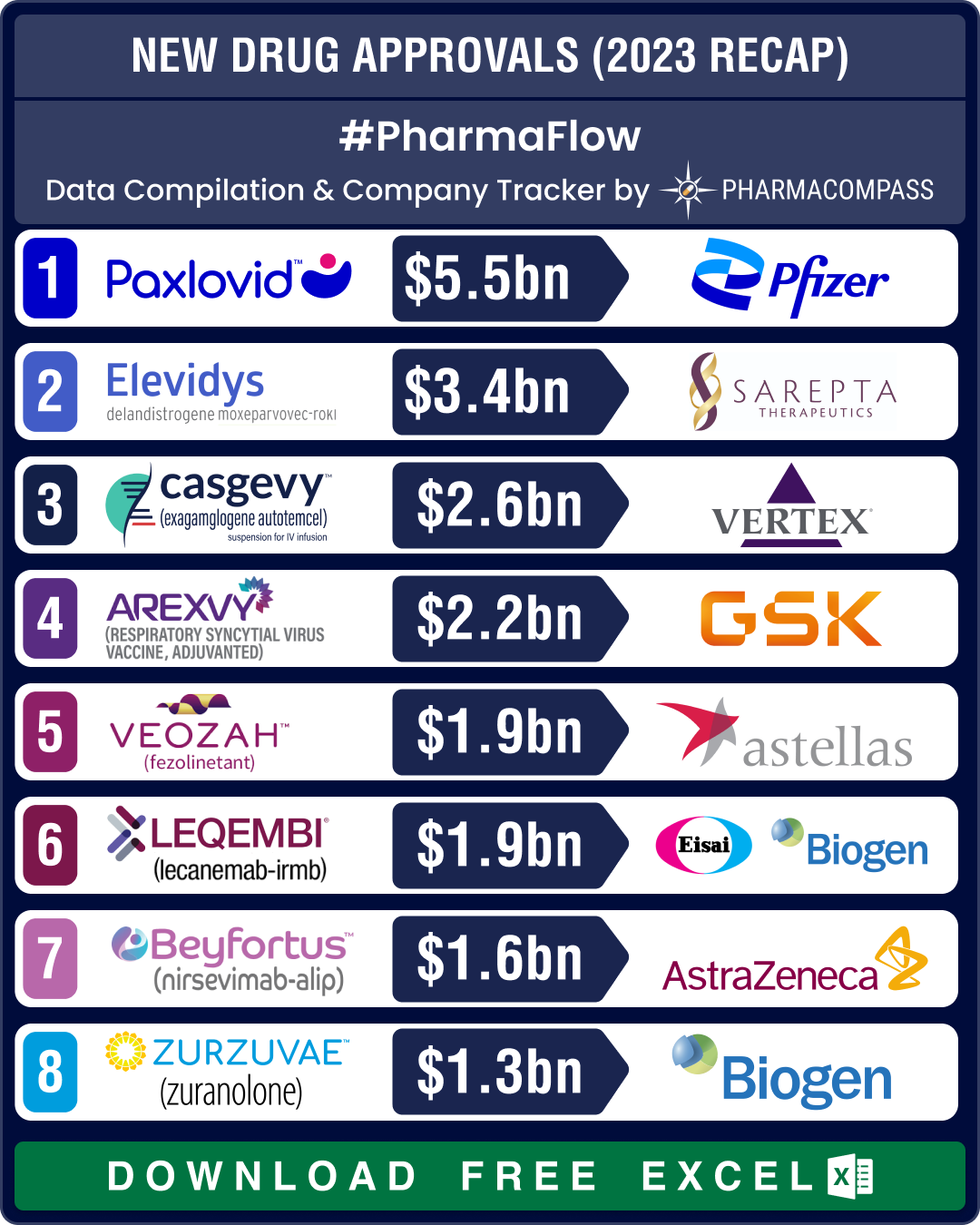
FDA approvals rise 49% in 2023; CRISPR’s gene editing therapy sees light of day
In 2022, when the US Food and Drug Administration (FDA) was reeling under the impact of the pandemic, new drug approvals by the agency dropped by 26 percent. But last year, FDA’s new drug approvals rebounded by an impressive 49 percent, with the Center for Drug Evaluation and Research (CDER) approving 55 new drugs in 2023. Of them, 36 percent were considered first-in-class, while small molecules made up for 62 percent of the total drugs approved (i.e. 34). FDA’s Center for Biologics Evaluation and Research (CBER) okayed 19 biologics in 2023 compared to eight in the previous year. The first half of 2023 saw the debut of vaccines for the all-too-common respiratory syncytial virus (RSV). Among the other notable approvals in H1 was Biogen and Eisai’s Alzheimer’s drug Leqembi (lecanemab). Out of the total 55 drug approvals, 29 came in H2 2023. This includes Vertex Pharmaceuticals and CRISPR Therapeutics’ Casgevy that relies on the Nobel Prize-winning CRISPR gene-editing technology. Casgevy has been approved as a treatment for sickle-cell disease (SCD) and β-thalassemia. While FDA witnessed a sharp rise in approvals in 2023, many other drug regulators didn’t. The European Medicines Agency (EMA) granted marketing authorization to 32 novel drugs in 2023, a fall from 33 in 2022. Similarly, Health Canada’s approvals in 2023 decreased to 38, compared to 45 in the previous year. As usual, oncology topped the list of drug approvals by therapeutic area, at 39 (as opposed to 35 in 2022). Rare diseases was the second most popular therapeutic area for drug approvals. With drugmakers clearly paying heed to the unmet needs of patients suffering from rare diseases, this therapeutic area sprinted from a 9 percent share and the fourth position among new approvals in 2022 to an impressive 34 percent share in 2023. A quarter of the new drug approvals were in infectious diseases, followed by immunology (19 percent) and neurology (7 percent).   View New Drug Approvals in 2023 with Estimated Sales (Free Excel Available)  Casgevy, postpartum depression drug Zurzuvae emerge as potential blockbusters  Gene therapy Casgevy, postpartum depression (PPD) med Zurzuvae, blood cancer med Elrexfio and ulcerative colitis drug Velsipity were some of the prominent approvals of 2023. Britain’s Medicines and Healthcare products Regulatory Agency was the first to okay Casgevy in November as a cure for SCD and β-thalassemia. Soon, the FDA approved it for SCD. In January this year, the American agency also approved it for transfusion-dependent β-thalassemia (TDT). Analysts estimate Casgevy to generate US$ 2.6 billion in peak sales, says Nature.  Biogen and Sage’s PPD therapy Zurzuvae became the first and only FDA-approved pill for the condition that can be life-threatening for both the mother and the child. Global sales of Zurzuvae are forecast to hit US$ 1.28 billion by 2028. In August, Pfizer’s Elrexfio (elranatamab) became the first “off-the-shelf” (ready-to-use) therapy in the US for multiple myeloma. The drug provides an option for patients with hard to treat or relapsed blood cancer and is estimated to bring in US$ 861 million in peak sales by 2028, says Nature. Pfizer also bagged another significant approval in October — its drug Velsipity (etrasimod) was greenlit by the FDA to treat adults with ulcerative colitis, an inflammatory bowel disease. Peak revenue for Velsipity is expected to come in at US$ 825 million, as per Evaluate. Astra’s Truqap, GSK’s Ojjaara among top cancer therapies given FDA nod in H2 In November, FDA approved AstraZeneca’s Truqap (capivasertib) in combination with the Anglo-Swedish drugmaker’s Faslodex (fulvestrant) for treating adult patients with hormone receptor (HR)-positive, HER2-negative locally advanced or metastatic breast cancer with one or more biomarker alterations. Evaluate Pharma forecasts peak Truqap sales to come in at about US$ 690 million. In September, FDA approved GSK’s Ojjaara (momelotinib) as the first and only treatment for myelofibrosis with anemia. Nearly all myelofibrosis patients are estimated to develop anemia over the course of the disease. Ojjaara is taken orally once a day. Other notable oncology treatments okayed by FDA in H2 2023 include Daiichi’s Vanflyta (quizartinib) in July to treat an aggressive blood cancer known as acute myeloid leukemia (AML). In August, FDA approved Janssen’s bispecific antibody Talvey (talquetamab-tgvs) for difficult-to-treat blood cancer. The agency approved two cancer therapies in November — BMS’ Augtyro (repotrectinib) for ROS1-positive non-small cell lung cancer (NSCLC) and Takeda’s targeted oral therapy Fruzaqla (fruquintinib) for adult patients with metastatic colorectal cancer (mCRC). Rare disease drugs Santhera-Catalyst’s Agamree, Novo’s Rivfloza bag approval in H2 In October, FDA approved Santhera Pharmaceuticals and Catalyst Pharma’s Agamree (vamorolone), an oral suspension treatment for Duchenne muscular dystrophy (DMD) in patients two years of age and older. This makes it the first drug fully approved in both the US and Europe for the muscle degeneration disorder. Agamree acts in a manner similar to other steroids, which are the standard of care for the inherited rare disease. However, it causes fewer side effects. FDA also okayed Novo Nordisk’s once-a-month injection Rivfloza (nedosiran) in October to treat a rare genetic condition — primary hyperoxaluria type 1 (PH1) — that causes recurring kidney stones. In November, the agency approved Takeda’s Adzynma (ADAMTS13, recombinant-krhn) as the first treatment for both adult and pediatric patients with congenital thrombotic thrombocytopenic purpura (cTTP), a rare genetic blood disorder.  Other noteworthy FDA approvals in H2 2023 for rare blood diseases include Novartis’ Fabhalta and bluebird bio's Lyfgenia. Fabhalta is the first oral monotherapy for the treatment of adults with paroxysmal nocturnal hemoglobinuria, a rare disease that causes symptoms such as hemolytic anemia, hemoglobinuria (excretion of hemoglobin in the urine), fatigue, shortness of breath etc. Lyfgenia is the first cell-based gene therapy for the treatment of SCD in patients 12 years and older. Similarly, another rare disease drug — Regeneron’s Veopoz —  bagged FDA approval in August last. Veopoz treats CHAPLE disease, an ultra-rare disease in which patients have severe gastrointestinal problems. Our view After a lull in 2022, new drug approvals have finally gathered momentum. The good news is that this year, several pathbreaking drugs are coming up for approval, such as Madrigal Pharmaceuticals’ resmetirom (the first treatment for NASH with liver fibrosis), Merck’s sotatercept (a treatment for pulmonary arterial hypertension), Lilly’s donanemab for Alzheimer’s disease and Karuna Therapeutics’ drug to treat schizophrenia. Let’s hope 2024 turns out to be an even bigger year for new drug approvals.

Impressions: 5195

https://www.pharmacompass.com/radio-compass-blog/fda-approvals-rise-49-in-2023-crispr-s-gene-editing-therapy-sees-light-of-day

#PharmaFlow by PHARMACOMPASS
01 Feb 2024

NEWS LIBRARY #PharmaBuzz

386read-more
read-more

https://www.prnewswire.com/news-releases/fresenius-and-wuxi-biologics-enter-exclusive-development-agreement-to-expand-biosimilars-pipeline-302926065.html

PR NEWSWIRE
02 Nov 2026

https://www.pharmabiz.com/NewsDetails.aspx?aid=191457&sid=1

PHARMABIZ
24 Oct 2026

https://www.biospace.com/drug-delivery/fresenius-kabi-manufacturing-plant-hit-with-fda-warning-letter-after-adverse-events

BIOSPACE
01 Oct 2026

https://www.prnewswire.com/news-releases/waltz-health-and-fresenius-kabi-expand-direct-access-to-biosimilars-through-waltz-connect-platform-302892345.html

PR NEWSWIRE
29 Sep 2026

https://www.fiercepharma.com/pharma/fresenius-unit-dinged-fda-warning-letter-flagging-complaint-trend-customers

FIERCE PHARMA
03 Sep 2026

https://www.fresenius-kabi.com/us/news-and-events/simplist-rta-generic-sugammadex-syringe

PRESS RELEASE
03 Sep 2026

Services

Discover the service capabilities from this company

Excipients

Discover the DDS // excipients from this company

Inspections and registrations

Check the inspections & registration from this company

ABOUT THIS PAGE

api-manufacturersPI70230##c
Contact Fresenius Kabi AG

Fresenius Kabi AG is a supplier offering 79 products (APIs, Excipients or Intermediates).

Find Docetaxel bulk with CEP, JDMF, WC offered by Fresenius Kabi AG

Find Gemcitabine bulk with CEP, JDMF, WC offered by Fresenius Kabi AG

Find Irinotecan Hydrochloride bulk with CEP, JDMF, WC offered by Fresenius Kabi AG

Find Ropivacaine Hydrochloride bulk with CEP, WC offered by Fresenius Kabi AG

Find Amoxicillin Sodium bulk with DMF, CEP offered by Fresenius Kabi AG

Find Ampicillin Sodium bulk with DMF, CEP offered by Fresenius Kabi AG

Find Busulfan bulk with CEP, WC offered by Fresenius Kabi AG

Find Carboplatin bulk with CEP, WC offered by Fresenius Kabi AG

Find Cefepime Hydrochloride bulk with DMF, CEP offered by Fresenius Kabi AG

Find Ceftazidime bulk with DMF, CEP offered by Fresenius Kabi AG

Find Ceftriaxone bulk with DMF, CEP offered by Fresenius Kabi AG

Find Cisplatin bulk with CEP, WC offered by Fresenius Kabi AG

Find Cloxacillin Sodium bulk with DMF, CEP offered by Fresenius Kabi AG

Find Docetaxel bulk with CEP, WC offered by Fresenius Kabi AG

Find Lactulose bulk with DMF, CEP offered by Fresenius Kabi AG

Find Oxaliplatin bulk with CEP, WC offered by Fresenius Kabi AG

Find Paclitaxel bulk with CEP, WC offered by Fresenius Kabi AG

Find Pivmecillinam Hydrochloride bulk with DMF, CEP offered by Fresenius Kabi AG

Find Carfilzomib bulk with WC offered by Fresenius Kabi AG

Find Lactulose bulk with CEP offered by Fresenius Kabi AG

Find Plerixafor bulk with WC offered by Fresenius Kabi AG

Find Amoxicillin Sodium bulk with CEP offered by Fresenius Kabi AG

Find Ampicillin Sodium bulk with DMF offered by Fresenius Kabi AG

Find Ampicillin Trihydrate bulk with DMF offered by Fresenius Kabi AG

Find Avibactam Sodium bulk with DMF offered by Fresenius Kabi AG

Find Azacitidine bulk with WC offered by Fresenius Kabi AG

Find Aztreonam bulk with DMF offered by Fresenius Kabi AG

Find Bacampicillin bulk with CEP offered by Fresenius Kabi AG

Find Belinostat bulk with DMF offered by Fresenius Kabi AG

Find Bendamustine Hydrochloride bulk with WC offered by Fresenius Kabi AG

Find Benzylpenicillin Sodium bulk with DMF offered by Fresenius Kabi AG

Find Bortezomib bulk with WC offered by Fresenius Kabi AG

Find Cabazitaxel bulk with WC offered by Fresenius Kabi AG

Find Calcitonin bulk with DMF offered by Fresenius Kabi AG

Find Cefuroxime Sodium bulk with CEP offered by Fresenius Kabi AG

Find Cloxacillin Benzathine bulk with DMF offered by Fresenius Kabi AG

Find Cloxacillin Sodium bulk with CEP offered by Fresenius Kabi AG

Find Cornstarch bulk with CEP offered by Fresenius Kabi AG

Find Decitabine bulk with WC offered by Fresenius Kabi AG

Find Degarelix Acetate bulk with DMF offered by Fresenius Kabi AG

Find Docetaxel bulk with WC offered by Fresenius Kabi AG

Find Erlotinib Hydrochloride bulk with WC offered by Fresenius Kabi AG

Find Flucloxacillin Sodium bulk with CEP offered by Fresenius Kabi AG

Find Gemcitabine bulk with CEP offered by Fresenius Kabi AG

Find Glucagon bulk with DMF offered by Fresenius Kabi AG

Find Hetacillin Potassium bulk with DMF offered by Fresenius Kabi AG

Find Icatibant Acetate bulk with DMF offered by Fresenius Kabi AG

Find L-Arginine Hydrochloride API bulk with DMF offered by Fresenius Kabi AG

Find Levobupivacaine bulk with WC offered by Fresenius Kabi AG

Find Liraglutide bulk with DMF offered by Fresenius Kabi AG

Find Nafcillin Sodium bulk with DMF offered by Fresenius Kabi AG

Find Octreotide Acetate bulk with DMF offered by Fresenius Kabi AG

Find Oxacillin Sodium bulk with DMF offered by Fresenius Kabi AG

Find Paclitaxel bulk with WC offered by Fresenius Kabi AG

Find Penicillin G Benzathine bulk with DMF offered by Fresenius Kabi AG

Find Penicillin G Potassium bulk with DMF offered by Fresenius Kabi AG

Find Piperacillin + Tazobactam bulk with DMF offered by Fresenius Kabi AG

Find Piperacillin Sodium bulk with CEP offered by Fresenius Kabi AG

Find Ropivacaine Hydrochloride bulk with WC offered by Fresenius Kabi AG

Find Sodium Dicloxacillin bulk with CEP offered by Fresenius Kabi AG

Find Tazobactam Sodium bulk with CEP offered by Fresenius Kabi AG

Find Afatinib bulk offered by Fresenius Kabi AG

Find Alectinib Hydrochloride bulk offered by Fresenius Kabi AG

Find Ibrutinib bulk offered by Fresenius Kabi AG

Find Lactulose bulk offered by Fresenius Kabi AG

Find Metaxalone bulk offered by Fresenius Kabi AG

Find Ribociclib bulk offered by Fresenius Kabi AG

Find Sugammadex Sodium bulk offered by Fresenius Kabi AG

Find Amdinocillin bulk offered by Fresenius Kabi AG

Find Cefepime bulk offered by Fresenius Kabi AG

Find Fish Oil bulk offered by Fresenius Kabi AG

Find Hetastarch bulk offered by Fresenius Kabi AG

Find Hydroxyethyl Starch bulk offered by Fresenius Kabi AG

Find Oxaliplatin bulk offered by Fresenius Kabi AG

Find Paclitaxel bulk offered by Fresenius Kabi AG

Find Piperacillin + Tazobactam bulk offered by Fresenius Kabi AG

Find Piperacillin Sodium bulk offered by Fresenius Kabi AG

Find Sodium Glycerophosphate bulk offered by Fresenius Kabi AG

Find MANUFACTURING OPERATIONS bulk offered by Fresenius Kabi AG

Ask Us for Pharmaceutical Supplier and Partner
Ask Us, Find A Supplier / Partner
No Commissions, No Strings Attached, Get Connected for FREE

What are you looking for?

How can we help you?

The request can't be empty

Please read our Privacy Policy carefully

You must agree to the privacy policy

The name can't be empty
The company can't be empty.
The email can't be empty Please enter a valid email.
The mobile can't be empty