Please Wait
Applying Filters...
Menu

Digital Content read-more

Create Content with PharmaCompass, ask us

PHARMA & BIOTECH INSIGHTS

1read-more
read-more

A PHP Error was encountered

Severity: 8192

Message: mb_convert_encoding(): Handling HTML entities via mbstring is deprecated; use htmlspecialchars, htmlentities, or mb_encode_numericentity/mb_decode_numericentity instead

Filename: blog/grid.php

Line Number: 52

Backtrace:

File: /var/www/html/application/views/include/media/blog/grid.php
Line: 52
Function: mb_convert_encoding

File: /var/www/html/application/models/Cmn.php
Line: 3595
Function: view

File: /var/www/html/application/views/include/product/digitalContent/grid.php
Line: 17
Function: common

File: /var/www/html/application/views/include/desc/inner.php
Line: 13
Function: view

File: /var/www/html/application/views/include/desc/indexNew.php
Line: 2433
Function: include

File: /var/www/html/application/controllers/Common.php
Line: 11303
Function: view

File: /var/www/html/index.php
Line: 231
Function: require_once

FDA okays 50 new drugs in 2024; BMS’ Cobenfy, Lilly’s Kisunla lead pack of breakthrough therapies
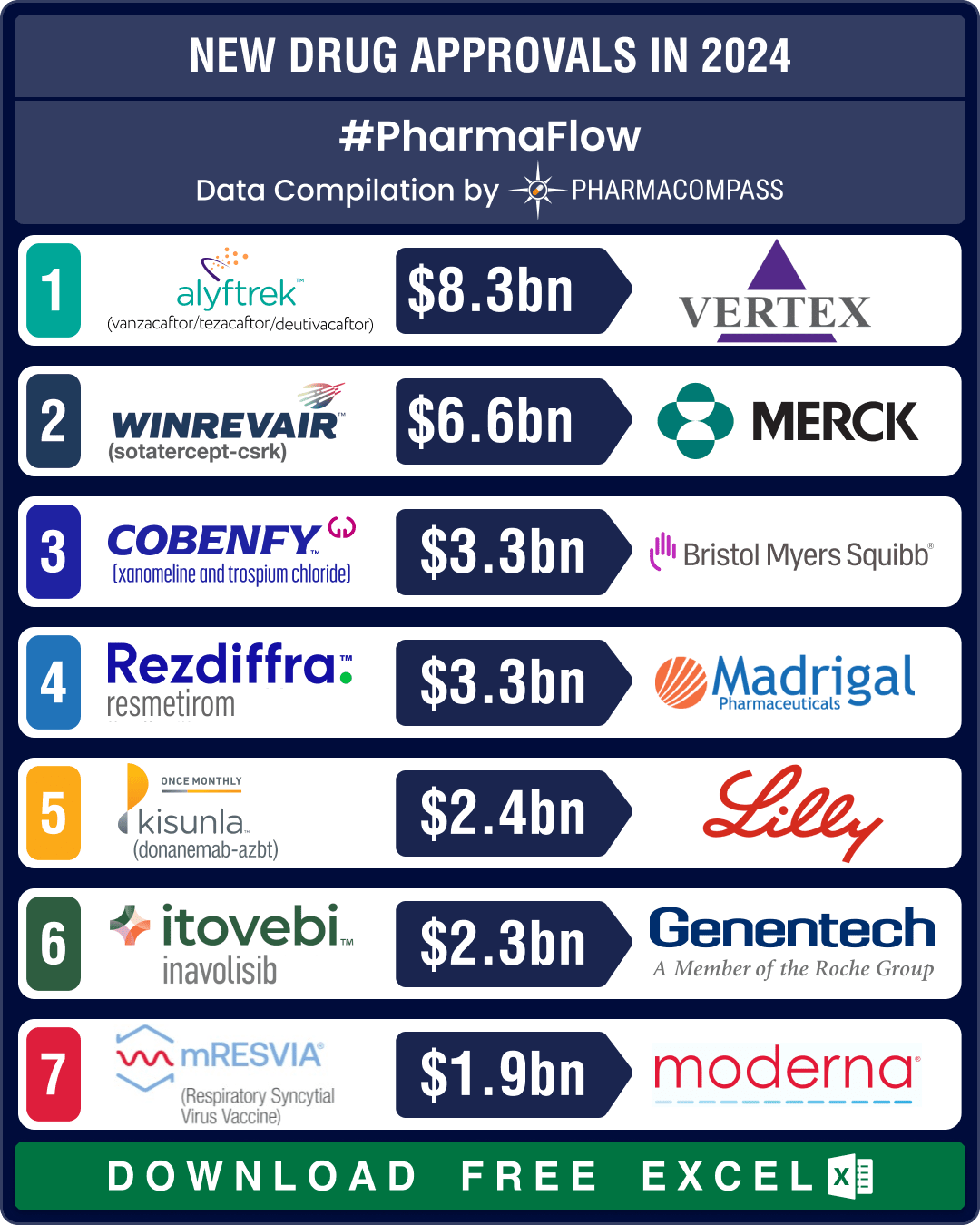
In 2024, the biopharma industry continued to advance on its robust trajectory of innovation. Though the US Food and Drug Administration’s Center for Drug Evaluation and Research (CDER) and the Center for Biologics Evaluation and Research (CBER) approved fewer drugs, there was a significant increase in medical breakthroughs.  While the CDER approved 50 new drugs in 2024, as compared to 55 in 2023, the CBER granted 14 biologics approvals in 2024, down from 20 in 2023. The European Medicines Agency (EMA) approved 34 new therapies, up from 32 in 2023, while Health Canada granted 28 approvals, down from 38 in 2023. The year saw long-awaited treatments being approved in areas such as schizophrenia and Alzheimer’s disease in the second half (H2) of 2024. In H1 2024, drugs to treat metabolic dysfunction-associated steatohepatitis (MASH) and chronic obstructive pulmonary disease (COPD) had been granted FDA approvals. As the year drew to a close, FDA began approving drugs at a feverish pace, with 29 of the CDER’s 50 approvals coming in H2. Like most years, the landscape of drug approvals was dominated by oncology, with 15 of the 50 drugs (30 percent) approved targeting various forms of cancer. This was followed by dermatology and non-malignant hematology, each accounting for 12 percent of approvals. Notably, small molecules continued to dominate the market, making up for 64 percent of the new drug approvals, while 32 percent were proteins, including monoclonal and bi-specific antibodies.  View New Drug Approvals in 2024 with Estimated Sales (Free Excel Available) Karuna-BMS’ schizophrenia drug, Lilly’s Alzheimer’s med, Neurocrine’s Crenessity dominate list of pathbreaking approvals in H2  Out of the 50 new drugs approved in 2024, CDER identified 24 (48 percent) as first-in-class, showcasing novel mechanisms of action. The most anticipated approval of 2024 was Karuna and Bristol Myers Squibb’s Cobenfy, a groundbreaking treatment for schizophrenia. This fixed-dose combination of xanomeline and trospium chloride represents the first novel mechanism of action in decades for this debilitating psychiatric condition. Analysts forecast peak annual sales of over US$ 3.3 billion for Cobenfy.  Eli Lilly’s Alzheimer’s drug Kisunla (donanemab) became the third amyloid-targeting antibody to gain FDA approval. Unlike its predecessors, Kisunla offers a unique limited-duration treatment regimen, allowing patients to discontinue therapy once amyloid levels in the brain drop below a certain threshold. Priced at approximately US$ 32,000 per year, it is positioned as a cost-effective alternative to existing treatments. Analysts estimate peak sales of US$ 2.4 billion for Kisunla. Crenessity (crinecerfont), developed by Neurocrine Biosciences, became the first FDA-approved treatment in decades for classic congenital adrenal hyperplasia (genetic conditions that affect the adrenal glands). Similarly, Vertex’s triple combination therapy of deutivacaftor, tezacaftor & vanzacaftor (Alyftrek) for cystic fibrosis represents a significant advancement in genetic disease treatment. Analysts forecast peak sales exceeding US$ 8.3 billion, underscoring the therapy’s potential to transform patient care. Meanwhile, Bridgebio’s Attruby (acoramidis hydrochloride) emerged as a promising treatment for cardiac amyloidosis, a life-threatening condition. Roche’s Itovebi, Checkpoint’s Unloxcyt clinch FDA approvals in H2 2024; forecast to achieve blockbuster status The dominance of cancer drug approvals reflects the ongoing focus on targeted therapies, immuno-oncology, and precision medicine to improve outcomes for patients with hard-to-treat cancers. Among the year’s notable FDA approvals was Genentech’s Itovebi (inavolisib), another targeted therapy that treats hormone receptor-positive (HR+), HER2-negative breast cancer. Itovebi is a PI3Kα inhibitor designed specifically for patients with PIK3CA mutations, a common driver of resistance to endocrine therapy in breast cancer. It demonstrated a more tolerable safety profile. Roche projects Itovebi’s peak (annual) sales to reach CHF 2 billion (US$ 2.3 billion). Checkpoint Therapeutics’ Unloxcyt (cosibelimab) joined the crowded checkpoint inhibitor market as the eleventh PD-1/PD-L1-targeting monoclonal antibody approved by the FDA. It was granted approval for cutaneous squamous cell carcinoma (cSCC), an aggressive form of skin cancer with high recurrence rates. As compared to other checkpoint inhibitors, like Keytruda (pembrolizumab) and Opdivo (nivolumab), Unloxcyt is likely to offer an advantage in immune activation. FDA also approved Astellas’ Vyloy (zolbetuximab), a first-in-class monoclonal antibody for metastatic gastric and gastroesophageal junction (GEJ) adenocarcinoma. Analysts forecast peak sales of approximately US$ 850 million for Vyloy. Syndax Pharmaceuticals’ Revuforj (revumenib) was approved by FDA to treat a type of acute leukemia in both adults and children. This approval introduces a novel class of medications known as menin inhibitors. These agents are currently in clinical development for the treatment of genetically defined subsets of acute leukemia. These inhibitors function by preventing the activation of cancer growth-related proteins. Potential blockbusters Lilly’s Ebglyss, Galderma’s Nemluvio lead advances in dermatology Eli Lilly’s Ebglyss (lebrikizumab) garnered significant attention. Approved by FDA for moderate-to-severe atopic dermatitis, this monoclonal antibody introduces a less burdensome dosing regimen compared to its competitors, with maintenance therapy required only once a month. This feature positions it as a potential contender to Dupixent (dupilumab), a market leader in atopic dermatitis. Ebglyss sales are forecast to reach US$ 1.9 billion by 2030. Galderma’s Nemluvio (nemolizumab) secured FDA approval for two indications in 2024 — prurigo nodularis (a chronic disorder of the skin) and moderate-to-severe atopic dermatitis in patients aged 12 years and older. As the first humanized IgG2 monoclonal antibody targeting the IL-31 receptor, Nemluvio directly inhibits the key driver of itch and inflammation in both these conditions. With its unique mechanism and broad dermatology potential, analysts forecast peak sales of approximately US$ 1.66 billion.  Ebglyss and Nemluvio underscore the growing importance of biologics in dermatological care. Botanix Pharmaceuticals also made strides in dermatology by clinching an FDA approval for Sofdra (sofpironium) in June. The drug has been okayed for the treatment of primary axillary hyperhidrosis, a condition characterized by excessive sweating. Ascendis Pharma’s Yorvipath (palopegteriparatide), a therapy approved by FDA to treat hypoparathyroidism, is forecast to achieve blockbuster sales of US$ 1.8 billion by 2030, highlighting its potential to transform endocrine care. Our view Overall, 2024 was defined by its breakthrough drug approvals. The year also saw significant reduction in complete response letters (CRLs) — they dropped from 43 in 2023 to just 29 in 2024. This suggests improved industry preparedness and alignment with regulatory expectations. The new year began with the approval of Datroway (datopotamab deruxtecan) from AstraZeneca and Daiichi Sankyo, marking a significant advancement in oncology. Several other promising new drugs are coming up for FDA approval this year, such as J&J’s nipocalimab, Vertex Pharmaceuticals’ suzetrigine, Elevar Therapeutics’ rivoceranib/camrelizumab, Sanofi’s fitusiran and GSK’s gepotidacin. Hopefully, the momentum of breakthrough approvals will continue through 2025, political headwinds in the US notwithstanding.

Impressions: 14617

https://dev1.pharmacompass.com/radio-compass-blog/fda-okays-50-new-drugs-in-2024-bms-cobenfy-lilly-s-kisunla-lead-pack-of-breakthrough-therapies

#PharmaFlow by PHARMACOMPASS
30 Jan 2025

MARKET PERFORMANCE RECAP

1read-more
read-more
Pipeline Prospector March 2026 highlights: Lilly to acquire Centessa for US$ 7.8 bn; Merck buys Terns Pharma for US$ 6.7 bn
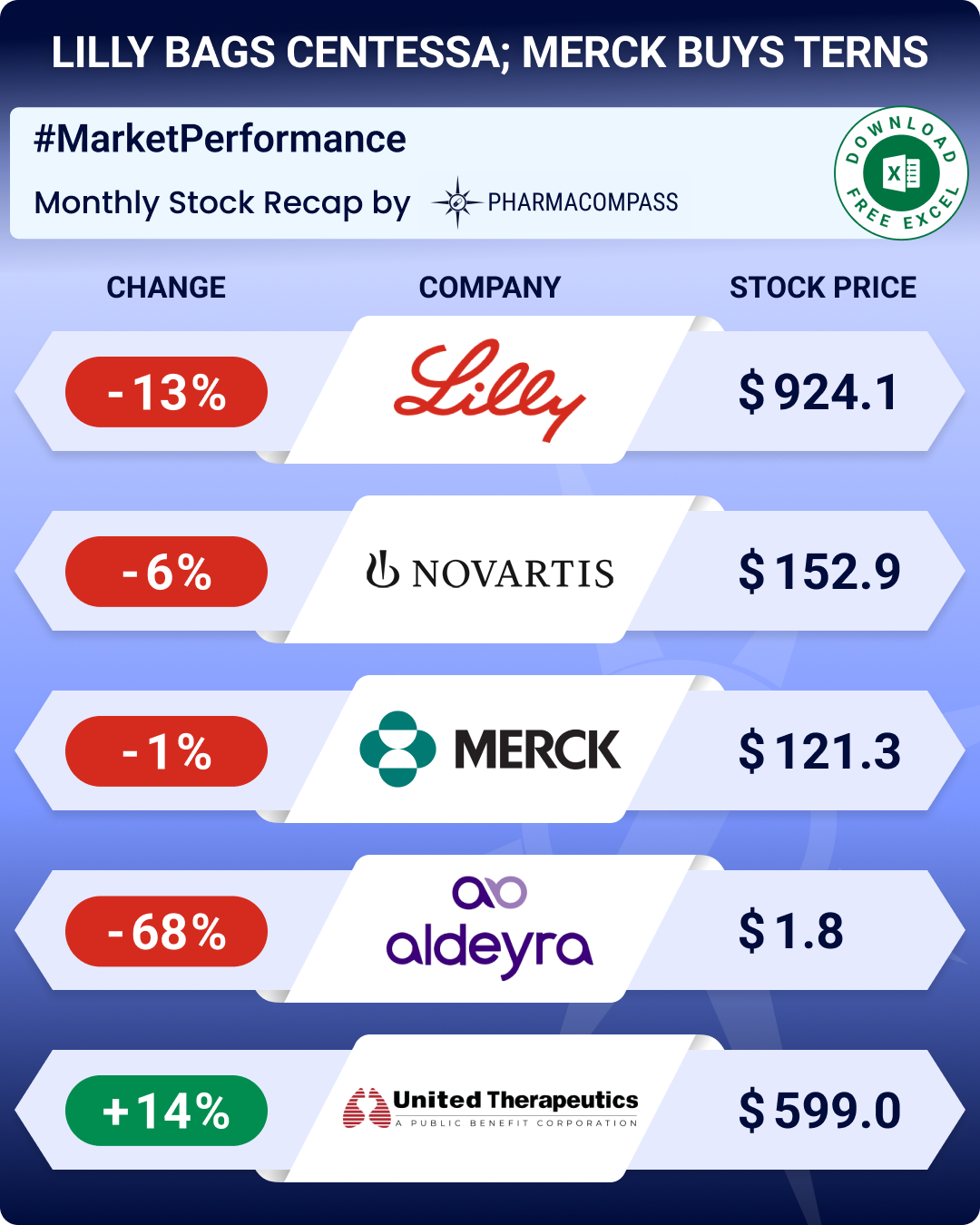
The raging war in the Middle East has disrupted global pharmaceutical supply chains, which are dependent on both sea and air routes. Major airports, such as Dubai, Abu Dhabi and Doha, are operating far below capacity due to strikes by Iran in response to attacks by the US and Israel. This has impacted the flow of critical medicines to the region. The closure of the Strait of Hormuz is pushing up crude oil prices. Given the geopolitical turbulence, the industry displayed grit, with March witnessing a flurry of high-value acquisitions. However, the war impacted pharma indices, which had been rising steadily since June 2025. The Nasdaq Biotechnology Index (NBI) fell by 2.12 percent in March, moving from 5,965.89 to 5,839.40. The SPDR S&P Biotech ETF (XBI) rose by 2.49 percent, from 124.63 to 127.73, and the S&P Biotechnology Select Industry Index (SPSIBI) inched up by 0.23 percent — from 9,954.55 to 9,977.73. In comparison, the S&P 500 fell by 4.34 percent — from 6,824.36 to 6,528.52.  Access the Pipeline Prospector Dashboard for March 2026 Newsmakers (Free Excel) Lilly acquires Centessa for its sleep disorder treatments; Merck buys Terns Pharma to strengthen oncology pipeline  On the last day of the month, Eli Lilly announced the acquisition of British drugmaker Centessa Pharmaceuticals in a deal worth up to US$ 7.8 billion. Centessa is developing a new class of treatments designed to target orexin, a molecule in the brain that regulates the sleep-wake cycle. On the same day, Biogen announced the acquisition of Apellis Pharmaceuticals for about US$ 5.6 billion in cash, adding approved immunology medicines Empaveli and Syfovre (both pegcetacoplan) to its portfolio. Meanwhile, Merck announced a US$ 6.7 billion acquisition of American biotech Terns Pharmaceuticals. The biotech is developing treatments for rare blood and bone cancers, and is expected to strengthen Merck’s oncology pipeline, as its blockbuster Keytruda (pembrolizumab) faces a patent cliff. Novartis made a significant move by acquiring Pikavation Therapeutics, a subsidiary of US biotech firm Synnovation Therapeutics, and its portfolio, which includes an experimental breast cancer drug candidate — SNV4818 — for up ‌to US$ 3 billion. Novartis also deepened its focus on immunology through the up to US$ 2 billion acquisition of Excellergy, a private biotech company developing next-generation anti-IgE therapies. French pharmaceutical group Servier announced the acquisition of Day One Biopharmaceuticals for ‌about US$ 2.5 billion. This buyout gives Servier access to FDA-approved Ojemda (tovorafenib), a monotherapy for pediatric low-grade glioma, the most common form of brain tumor in children. Gilead Sciences is acquiring Ouro Medicines for up to US$ 2.18 billion to expand its presence in autoimmune diseases. Luxembourg-based CVC Capital Partners made a €10.9 billion (US$ 12.6 billion) offer to acquire Italian drugmaker Recordati, where it already holds a 47 percent stake. In other deals, Insilico Medicine entered into a US$ 2.75 billion global licensing and research collaboration with Eli Lilly to leverage generative AI to accelerate R&D and improve pipeline efficiency. And Tenaya Therapeutics tied up with Alnylam Pharmaceuticals to work on disease-modifying treatments for cardiovascular diseases in a deal worth up to US$ 1.14 billion. Biogen’s Spinraza approved for spinal muscular atrophy; J&J’s pill okayed for plaque psoriasis The month witnessed multiple FDA approvals and label expansions. Biogen secured FDA approval for a higher-dose regimen of Spinraza (nusinersen) for spinal muscular atrophy (SMA), a genetic disorder that causes muscle weakness. The agency also approved Johnson & Johnson’s oral pill Icotyde (icotrokinra) for the treatment of moderate-to-severe plaque psoriasis in adults and pediatric patients 12 years of age and older. Besides these, FDA granted accelerated approval to Denali Therapeutics’ Avlayah (tividenofusp alfa), which was approved for the treatment of children with Hunter syndrome, ‌a rare genetic disorder. And it expanded the labels of Bristol Myers Squibb’s Sotyktu (deucravacitinib), Novo Nordisk’s Sogroya and GSK’s RSV vaccine Arexvy. Merck’s drug cuts LDL cholesterol by 64.6%; Xenon’s epilepsy med meets main goal in late-stage trial Merck reported that its oral cholesterol drug enlicitide decanoate reduced low-density lipoprotein (LDL) cholesterol by approximately 64.6 percent in a head-to-head late-stage trial, outperforming non-statin therapies. Xenon Pharmaceuticals’ experimental epilepsy drug azetukalner met its main goal by significantly reducing seizure frequency, while United Therapeutics’ ralinepag reduced disease progression risk by 55 percent in pulmonary arterial hypertension. Bristol Myers Squibb’s mezigdomide demonstrated improved survival outcomes in relapsed or refractory multiple myeloma when used in combination with Amgen’s Kyprolis (carfilzomib) and dexamethasone. Another therapy that posted a trial win was Pfizer and Astellas’ Padcev (enfortumab vedotin) when used in combination with Keytruda. In a phase 3 trial, it significantly improved outcomes in patients with muscle-invasive bladder cancer eligible for cisplatin-based chemotherapy. Roche reported positive phase 3 data for its multiple sclerosis drug fenebrutinib, though safety concerns (including patient deaths during trials) could complicate regulatory review. Eli Lilly’s atopic dermatitis drug Ebglyss (lebrikizumab) achieved both primary and secondary endpoints in a phase 3 trial in children aged six months to 18 years. The drug is already approved for people over 12 years with eczema who weigh over 40 kg. FDA lifts hold on Intellia’s gene therapy, hands Aldeyra’s dry eye disease med its third rejection FDA lifted the clinical hold placed on Intellia Therapeutics’ gene therapy for transthyretin amyloidosis with cardiomyopathy, a fatal heart condition. The clinical holds on two trials of the therapy were imposed in October after a patient developed severe liver complications. Some drugmakers faced setbacks. For instance, FDA asked for additional data for uniQure’s Huntington’s disease gene therapy (a fatal, inherited neurodegenerative disorder). Similarly, the agency handed Aldeyra’s reproxalap a third rejection. The drug was being developed to treat dry eye disease, a chronic condition characterized by insufficient tear production. Australian biotech Immutep discontinued a crucial phase 3 trial for Efti (eftilagimod alfa), which is administered along with Keytruda and was being developed as a first-line treatment for advanced non-small cell lung cancer (NSCLC). And Roche said its breast ‌cancer pill, giredestrant, failed to meaningfully help newly diagnosed patients with breast cancer in a phase 3 trial. Our view While geopolitical disruptions have exposed vulnerabilities in global supply chains, they have not dented the industry’s appetite for growth and innovation. That said, a prolonged conflict could alter this trajectory, forcing pharma leaders to reassess strategic priorities.

Impressions: 2638

https://dev1.pharmacompass.com/pipeline-prospector-blog/pipeline-prospector-march-2026-highlights-lilly-to-acquire-centessa-for-us-7-8-bn-merck-buys-terns-pharma-for-us-6-7-bn

#PharmaFlow by PHARMACOMPASS
02 Apr 2026

WEEKLY INDUSTRY NEWS

2read-more
read-more
Lilly to invest US$ 3 bn in China to boost supply of new obesity drug; Servier acquires Day One Biopharma for US$ 2.5 bn
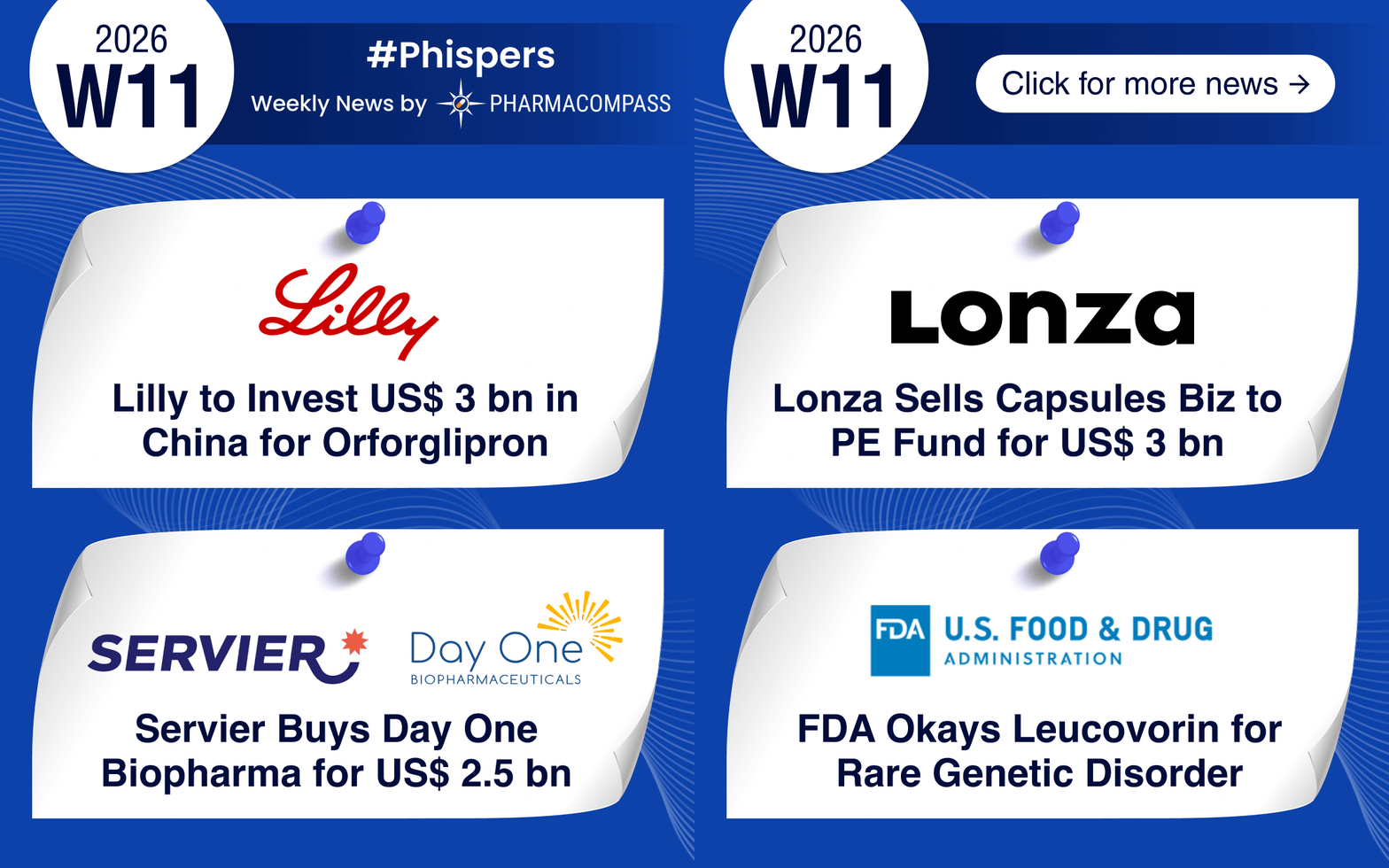
In Phispers this week, Eli Lilly announced its plans to invest US$ 3 billion in China over the next decade in order to build production capacity for its experimental ‌type 2 diabetes and obesity treatment orforglipron. Servier acquired Day One Biopharma for US$ 2.5 billion to boost its oncology pipeline. Swiss contract drug manufacturing organization (CDMO) Lonza sold its capsules business to Lone Star Funds for US$ 3 billion. And BioNTech founders said they are quitting the firm to start a new venture. In drug approvals, the US Food and Drug Administration (FDA) okayed Johnson & Johnson’s Tecvayli (teclistamab-cqyv) in combination with Darzalex Faspro (daratumumab and hyaluronidase-fihj) to treat adult patients with relapsed or refractory multiple myeloma who have received at least one prior line of therapy. The agency also expanded the labels of Bristol Myers Squibb’s Sotyktu (deucravacitinib) for the treatment of adults with active psoriatic arthritis, and of Wellcovorin (leucovorin calcium) to treat a rare genetic condition.In trials, Bristol Myers Squibb’s experimental drug mezigdomide in combination with Amgen’s cancer drug Kyprolis (carfilzomib) and dexamethasone met a phase 3 study’s primary goal by improving survival in patients with relapsed multiple myeloma, a form of blood cancer. Xenon Pharmaceuticals’ experimental epilepsy drug, azetukalner, significantly reduced focal-onset seizures in a late-stage trial. And Roche’s giredestrant failed to meaningfully help newly diagnosed patients with breast cancer in a phase 3 trial.The FDA issued a warning letter to Novo Nordisk over issues with its procedures for reporting potential side effects of its diabetes drug Ozempic (semaglutide), which is also prescribed for weight loss. And Vinay Prasad, the controversial head of FDA’s Center for Biologics Evaluation and Research (CBER), ‌will leave the agency next month.Lilly to invest US$ 3 billion in China to build capacity for its new obesity medEli Lilly plans to invest US$ 3 billion in China over the next decade to build production capacity for its experimental ‌type-2 diabetes and obesity treatment orforglipron. This drug is under FDA review, with a decision expected in April. Lilly has also filed for marketing authorization for the pill in China.BioNTech founders to start new venture: BioNTech’s co-founders and leading executives — CEO Ugur Sahin and chief medical officer Özlem Türeci — are quitting the company by the end ‌of the year to start a new venture. BioNTech said it had initiated a search for their successors.Servier acquires Day One Biopharma for US$ 2.5 bn to boost its oncology pipelineFrench pharmaceutical group Servier has announced the acquisition of US-based Day One Biopharmaceuticals for ‌about US$ 2.5 billion. This buyout will expand Servier’s brain tumor portfolio and give it access to FDA-approved Ojemda (tovorafenib), a monotherapy for pediatric low-grade glioma, the most common form of brain tumor in children.Lonza sells its capsules business: Swiss CDMO Lonza has announced the sale of its capsules and health ingredients business to private equity fund Lone Star Funds for an enterprise value of CHF 2.3 billion (US$ 3 billion).J&J’s Tecvayli-Darzalex combo wins approval under FDA’s voucher programFDA has approved Johnson & Johnson’s Tecvayli (teclistamab-cqyv) in combination with Darzalex Faspro (daratumumab and hyaluronidase-fihj) to treat adults with relapsed or refractory multiple myeloma who have received at least one prior line of therapy. This decision was issued 55 days after filing and marks the third approval under the Commissioner’s National Priority Voucher (CNPV) pilot program. The new approval is for second-line treatment of the blood cancer.Sotyktu okayed for psoriatic arthritis: FDA has expanded the label of Bristol Myers Squibb’s Sotyktu (deucravacitinib) for the treatment of adults with active psoriatic arthritis. Sotyktu is the first and only tyrosine kinase 2 (TYK2) inhibitor to be approved for this indication.Leucovorin approved for rare genetic disorder: FDA has expanded the use of decades-old drug Wellcovorin (leucovorin calcium) to treat cerebral folate transport deficiency, a rare genetic condition in adult and pediatric patients that prevents folate from properly reaching the brain. People with this condition have severe developmental delays, movement disorders, seizures, and other serious neurological complications. The move comes months after the Trump administration touted leucovorin as a potential therapy for a broader group of patients with symptoms of autism spectrum disorder.Bristol Myers’ mezigdomide enhances survival rates in late-stage blood cancer trialBristol Myers Squibb’s experimental drug — mezigdomide — for a rare form of blood cancer met a phase 3 study’s primary goal by improving survival. Mezigdomide, when used in combination with Amgen’s cancer drug Kyprolis (carfilzomib) and dexamethasone, showed significant improvement in patients with relapsed or refractory multiple myeloma without the disease worsening, compared to carfilzomib and dexamethasone alone.Xenon’s epilepsy drug meets main goal: Xenon Pharmaceuticals’ experimental epilepsy drug, azetukalner, significantly reduced focal-onset seizures in a late-stage trial. Azetukalner also demonstrated a safety and tolerability profile consistent with prior studies.Roche’s breast cancer drug combo fails trial: Roche said its breast ‌cancer pill, giredestrant, failed to meaningfully help newly diagnosed patients with breast cancer in a phase 3 trial. The investigational drug was being tested in combination with palbociclib for people with oestrogen receptor (ER)-positive, human epidermal growth factor receptor 2 (HER2)-negative, locally advanced or metastatic breast cancer.FDA issues warning letter to Novo Nordisk over reporting Ozempic side effectsFDA has issued a warning letter to Novo Nordisk over issues with its procedures for reporting potential side effects of its diabetes drug Ozempic (semaglutide), which is also prescribed for weight loss. The agency has cited three deaths among patients receiving semaglutide. Novo Nordisk violated its protocols for reporting adverse symptoms that could potentially be tied to the drug, the letter said. Meanwhile, the company has undertaken an action plan to address the gaps.Rise in dementia in diabetes patients: According to a study published in The Lancet, newer diabetes medicines, including GLP-1 drugs, provide heart protection along with blood sugar control. Analyzing data from 10 wealthy countries on 2.7 million deaths of patients with type 2 diabetes between 2000 and 2023, the researchers noted overall declines in mortality rates from cardiovascular disease, cancer, and diabetes. However, they reported increases in mortality rates and proportions of deaths from dementia and other causes.Vinay Prasad to leave CBER in April: Vinay Prasad, the controversial head of FDA’s Center for Biologics Evaluation and Research, ‌will leave the agency next month, FDA commissioner Marty Makary said. A search is currently underway for Prasad’s successor. 

Impressions: 2666

https://dev1.pharmacompass.com/radio-compass-phisper/lilly-to-invest-us-3-bn-in-china-to-boost-supply-of-new-obesity-drug-servier-acquires-day-one-biopharma-for-us-2-5-bn

#Phispers by PHARMACOMPASS
12 Mar 2026

NEWS LIBRARY

29read-more
read-more

https://www.swissmedic.ch/swissmedic/en/home/about-us/publications/public-summary-swiss-par/public-summary-swiss-par-ojemda.html

SWISSMEDIC
25 Aug 2026

https://pdf.hres.ca/dpd_pm/00085349.PDF

HEALTH CANADA
13 Jul 2026

https://www.prnewswire.com/news-releases/servier-presentations-at-ispno-2026-highlight-neuro-oncology-leadership-and-expanding-glioma-portfolio-302811874.html

PR NEWSWIRE
26 Jun 2026

https://health.ec.europa.eu/publications/joint-clinical-assessment-report-tovorafenib-ojemda_en

EMA
09 Jun 2026

https://www.prnewswire.com/news-releases/day-one-and-servier-complete-enrollment-in-pivotal-phase-3-firefly-2-trial-of-tovorafenib-as-a-front-line-treatment-for-pediatric-low-grade-glioma-plgg-302766277.html

PR NEWSWIRE
08 May 2026

https://www.globenewswire.com/news-release/2026/04/22/3278647/0/en/ojemda-approved-in-the-european-union-as-the-first-targeted-therapy-in-relapsed-or-refractory-pediatric-low-grade-glioma-regardless-of-braf-alteration.html

GLOBENEWSWIRE
22 Apr 2026
digital-content25161177##p