Please Wait
Applying Filters...
Menu

Digital Content read-more

Create Content with PharmaCompass, ask us

PHARMA & BIOTECH INSIGHTS

1read-more
read-more

A PHP Error was encountered

Severity: 8192

Message: mb_convert_encoding(): Handling HTML entities via mbstring is deprecated; use htmlspecialchars, htmlentities, or mb_encode_numericentity/mb_decode_numericentity instead

Filename: blog/grid.php

Line Number: 52

Backtrace:

File: /var/www/html/application/views/include/media/blog/grid.php
Line: 52
Function: mb_convert_encoding

File: /var/www/html/application/models/Cmn.php
Line: 3595
Function: view

File: /var/www/html/application/views/include/product/digitalContent/grid.php
Line: 17
Function: common

File: /var/www/html/application/views/include/desc/inner.php
Line: 13
Function: view

File: /var/www/html/application/views/include/desc/indexNew.php
Line: 2433
Function: include

File: /var/www/html/application/controllers/Common.php
Line: 11303
Function: view

File: /var/www/html/index.php
Line: 231
Function: require_once

FDA okays 50 new drugs in 2024; BMS’ Cobenfy, Lilly’s Kisunla lead pack of breakthrough therapies
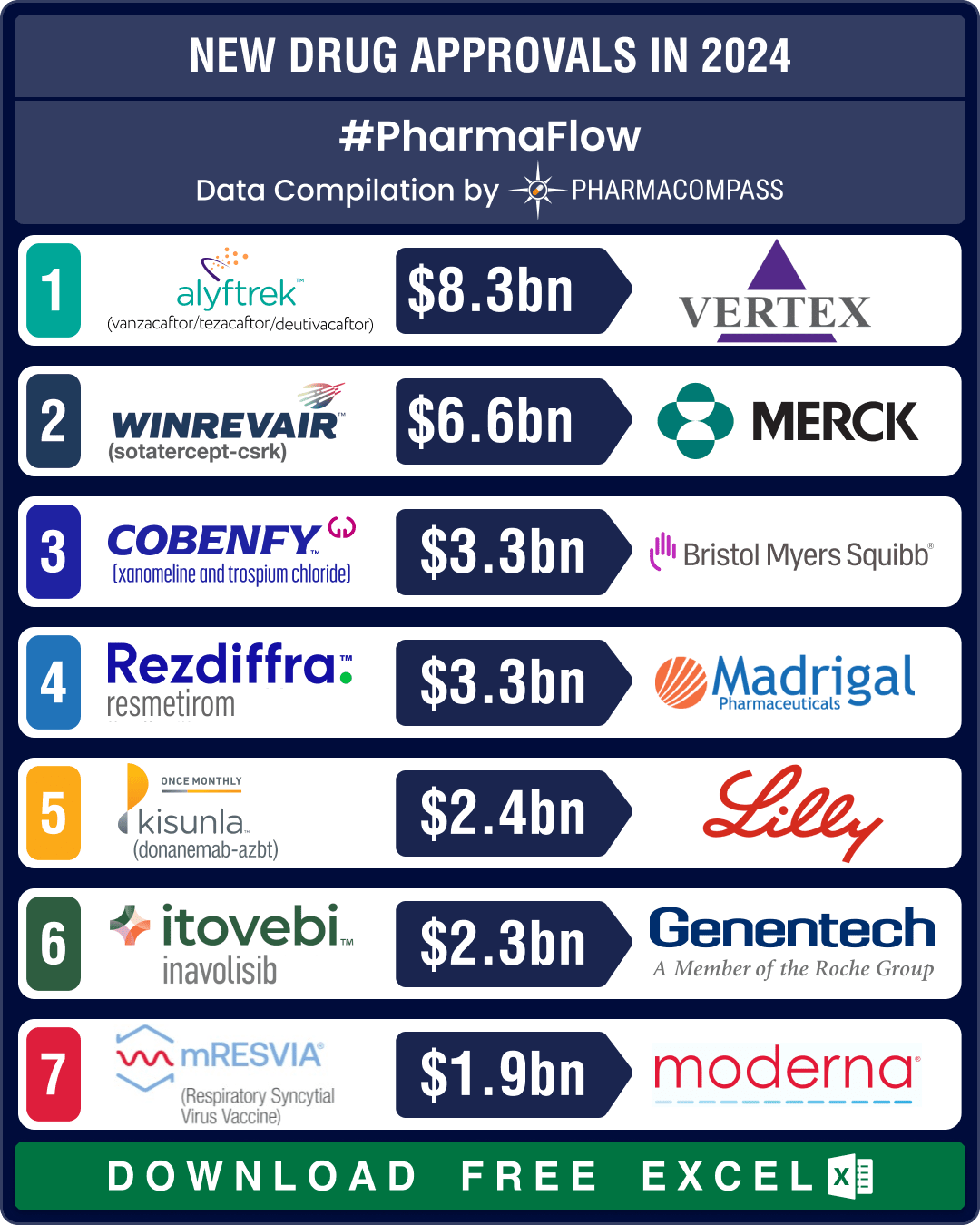
In 2024, the biopharma industry continued to advance on its robust trajectory of innovation. Though the US Food and Drug Administration’s Center for Drug Evaluation and Research (CDER) and the Center for Biologics Evaluation and Research (CBER) approved fewer drugs, there was a significant increase in medical breakthroughs.  While the CDER approved 50 new drugs in 2024, as compared to 55 in 2023, the CBER granted 14 biologics approvals in 2024, down from 20 in 2023. The European Medicines Agency (EMA) approved 34 new therapies, up from 32 in 2023, while Health Canada granted 28 approvals, down from 38 in 2023. The year saw long-awaited treatments being approved in areas such as schizophrenia and Alzheimer’s disease in the second half (H2) of 2024. In H1 2024, drugs to treat metabolic dysfunction-associated steatohepatitis (MASH) and chronic obstructive pulmonary disease (COPD) had been granted FDA approvals. As the year drew to a close, FDA began approving drugs at a feverish pace, with 29 of the CDER’s 50 approvals coming in H2. Like most years, the landscape of drug approvals was dominated by oncology, with 15 of the 50 drugs (30 percent) approved targeting various forms of cancer. This was followed by dermatology and non-malignant hematology, each accounting for 12 percent of approvals. Notably, small molecules continued to dominate the market, making up for 64 percent of the new drug approvals, while 32 percent were proteins, including monoclonal and bi-specific antibodies.  View New Drug Approvals in 2024 with Estimated Sales (Free Excel Available) Karuna-BMS’ schizophrenia drug, Lilly’s Alzheimer’s med, Neurocrine’s Crenessity dominate list of pathbreaking approvals in H2  Out of the 50 new drugs approved in 2024, CDER identified 24 (48 percent) as first-in-class, showcasing novel mechanisms of action. The most anticipated approval of 2024 was Karuna and Bristol Myers Squibb’s Cobenfy, a groundbreaking treatment for schizophrenia. This fixed-dose combination of xanomeline and trospium chloride represents the first novel mechanism of action in decades for this debilitating psychiatric condition. Analysts forecast peak annual sales of over US$ 3.3 billion for Cobenfy.  Eli Lilly’s Alzheimer’s drug Kisunla (donanemab) became the third amyloid-targeting antibody to gain FDA approval. Unlike its predecessors, Kisunla offers a unique limited-duration treatment regimen, allowing patients to discontinue therapy once amyloid levels in the brain drop below a certain threshold. Priced at approximately US$ 32,000 per year, it is positioned as a cost-effective alternative to existing treatments. Analysts estimate peak sales of US$ 2.4 billion for Kisunla. Crenessity (crinecerfont), developed by Neurocrine Biosciences, became the first FDA-approved treatment in decades for classic congenital adrenal hyperplasia (genetic conditions that affect the adrenal glands). Similarly, Vertex’s triple combination therapy of deutivacaftor, tezacaftor & vanzacaftor (Alyftrek) for cystic fibrosis represents a significant advancement in genetic disease treatment. Analysts forecast peak sales exceeding US$ 8.3 billion, underscoring the therapy’s potential to transform patient care. Meanwhile, Bridgebio’s Attruby (acoramidis hydrochloride) emerged as a promising treatment for cardiac amyloidosis, a life-threatening condition. Roche’s Itovebi, Checkpoint’s Unloxcyt clinch FDA approvals in H2 2024; forecast to achieve blockbuster status The dominance of cancer drug approvals reflects the ongoing focus on targeted therapies, immuno-oncology, and precision medicine to improve outcomes for patients with hard-to-treat cancers. Among the year’s notable FDA approvals was Genentech’s Itovebi (inavolisib), another targeted therapy that treats hormone receptor-positive (HR+), HER2-negative breast cancer. Itovebi is a PI3Kα inhibitor designed specifically for patients with PIK3CA mutations, a common driver of resistance to endocrine therapy in breast cancer. It demonstrated a more tolerable safety profile. Roche projects Itovebi’s peak (annual) sales to reach CHF 2 billion (US$ 2.3 billion). Checkpoint Therapeutics’ Unloxcyt (cosibelimab) joined the crowded checkpoint inhibitor market as the eleventh PD-1/PD-L1-targeting monoclonal antibody approved by the FDA. It was granted approval for cutaneous squamous cell carcinoma (cSCC), an aggressive form of skin cancer with high recurrence rates. As compared to other checkpoint inhibitors, like Keytruda (pembrolizumab) and Opdivo (nivolumab), Unloxcyt is likely to offer an advantage in immune activation. FDA also approved Astellas’ Vyloy (zolbetuximab), a first-in-class monoclonal antibody for metastatic gastric and gastroesophageal junction (GEJ) adenocarcinoma. Analysts forecast peak sales of approximately US$ 850 million for Vyloy. Syndax Pharmaceuticals’ Revuforj (revumenib) was approved by FDA to treat a type of acute leukemia in both adults and children. This approval introduces a novel class of medications known as menin inhibitors. These agents are currently in clinical development for the treatment of genetically defined subsets of acute leukemia. These inhibitors function by preventing the activation of cancer growth-related proteins. Potential blockbusters Lilly’s Ebglyss, Galderma’s Nemluvio lead advances in dermatology Eli Lilly’s Ebglyss (lebrikizumab) garnered significant attention. Approved by FDA for moderate-to-severe atopic dermatitis, this monoclonal antibody introduces a less burdensome dosing regimen compared to its competitors, with maintenance therapy required only once a month. This feature positions it as a potential contender to Dupixent (dupilumab), a market leader in atopic dermatitis. Ebglyss sales are forecast to reach US$ 1.9 billion by 2030. Galderma’s Nemluvio (nemolizumab) secured FDA approval for two indications in 2024 — prurigo nodularis (a chronic disorder of the skin) and moderate-to-severe atopic dermatitis in patients aged 12 years and older. As the first humanized IgG2 monoclonal antibody targeting the IL-31 receptor, Nemluvio directly inhibits the key driver of itch and inflammation in both these conditions. With its unique mechanism and broad dermatology potential, analysts forecast peak sales of approximately US$ 1.66 billion.  Ebglyss and Nemluvio underscore the growing importance of biologics in dermatological care. Botanix Pharmaceuticals also made strides in dermatology by clinching an FDA approval for Sofdra (sofpironium) in June. The drug has been okayed for the treatment of primary axillary hyperhidrosis, a condition characterized by excessive sweating. Ascendis Pharma’s Yorvipath (palopegteriparatide), a therapy approved by FDA to treat hypoparathyroidism, is forecast to achieve blockbuster sales of US$ 1.8 billion by 2030, highlighting its potential to transform endocrine care. Our view Overall, 2024 was defined by its breakthrough drug approvals. The year also saw significant reduction in complete response letters (CRLs) — they dropped from 43 in 2023 to just 29 in 2024. This suggests improved industry preparedness and alignment with regulatory expectations. The new year began with the approval of Datroway (datopotamab deruxtecan) from AstraZeneca and Daiichi Sankyo, marking a significant advancement in oncology. Several other promising new drugs are coming up for FDA approval this year, such as J&J’s nipocalimab, Vertex Pharmaceuticals’ suzetrigine, Elevar Therapeutics’ rivoceranib/camrelizumab, Sanofi’s fitusiran and GSK’s gepotidacin. Hopefully, the momentum of breakthrough approvals will continue through 2025, political headwinds in the US notwithstanding.

Impressions: 14618

https://dev1.pharmacompass.com/radio-compass-blog/fda-okays-50-new-drugs-in-2024-bms-cobenfy-lilly-s-kisunla-lead-pack-of-breakthrough-therapies

#PharmaFlow by PHARMACOMPASS
30 Jan 2025

MARKET PERFORMANCE RECAP

1read-more
read-more
Market Performance Recap October 2026 highlights: FDA clears Teva’s Weltruza for schizophrenia; Novartis inks mRNA deal with Abogen
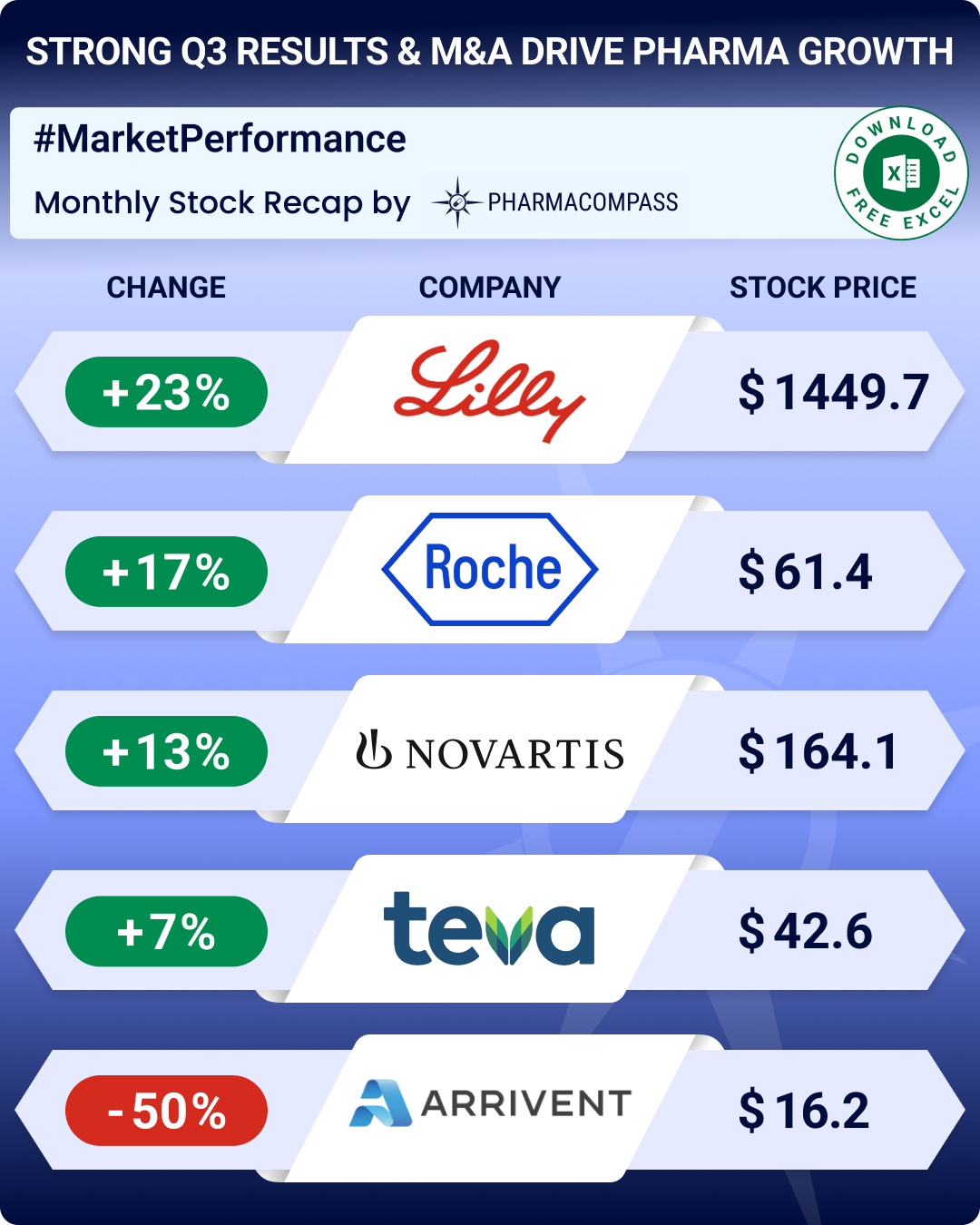
October was a quiet month for big-ticket acquisitions. That said, several global drug majors announced their third quarter (Q3 2026) results, with a majority reporting healthy growth rates. For instance, Eli Lilly reported a 39 percent rise in revenues compared to Q3 2025, driven by rising demand for its type 2 diabetes and obesity medications. Similarly, Regeneron’s revenues were up 36 percent. AstraZeneca posted a 7 percent rise in total revenue, while Merck reported 5 percent growth in worldwide sales. And Novartis reported 4 percent growth in net sales. The results appear to have had a positive impact on the pharma indices, which have otherwise been under pressure from wars, trade tensions and soaring public debt. The Nasdaq Biotechnology Index (NBI) increased by around 3.05 percent — from 7,102.91 at the end of September to 7,319.57 at the end of October. However, both the SPDR S&P Biotech ETF and the S&P Biotechnology Select Industry Index (SPSIBI) saw a marginal drop. While the former declined from 156.99 to 155.90, the SPSIBI dropped by 1.09 percent — from 12,346.20 to 12,211.80. Overall, the S&P 500 declined from 7,666.47 to 7,580.07.  Access the Pipeline Prospector Dashboard for October 2026 Newsmakers (Free Excel) FDA clears Teva’s drug for schizophrenia, UCB’s autoinjector for myasthenia gravis  Among the most notable approvals of the month was the US Food and Drug Administration’s approval of Teva Pharmaceuticals’ Weltruza (olanzapine) extended-release injectable suspension. This is the first and only once-monthly subcutaneous olanzapine injection for schizophrenia. Another first-time approval was granted to Asahi Kasei’s Hovilpri (pritelivir). It treats sores on the skin and mucous membranes caused by herpes simplex virus (HSV) in adults with weakened immune systems. GSK received FDA approval for Hibsago (bepirovirsen) to treat chronic hepatitis B in adults. Taken alongside existing antiviral therapy, it can offer some patients a functional cure, allowing them to stop lifelong treatment. UCB’s Zilbrysq (zilucoplan) was approved as an autoinjector that patients with generalized myasthenia gravis, an autoimmune disorder, can use by themselves. Among drugs that bagged FDA’s supplemental approvals were Roche’s Enspryng (satralizumab) for the treatment of adults with thyroid eye disease (TED) and Eli Lilly’s Jaypirca (pirtobrutinib). While Enspryng is the first and only at-home subcutaneous treatment option for TED, Jaypirca is now approved as a first-line treatment for adults with chronic lymphocytic leukemia (CLL) or small lymphocytic lymphoma (SLL), two forms of the same slow-growing blood cancer, provided they don't have a particular genetic change. The agency expanded the approvals of Novartis’ Rhapsido (remibrutinib) for symptomatic dermographism (a chronic skin condition) and Roche’s Tecentriq (atezolizumab), in combination with a fluoropyrimidine and oxaliplatin, for the adjuvant (or post-surgery) treatment of stage 3 deficient mismatch repair (dMMR) colon cancer. FDA also granted accelerated approval to AstraZeneca’s Ultomiris (ravulizumab) to reduce proteinuria in adults with primary immunoglobulin A nephropathy (IgAN) at risk of disease progression. And Novo Nordisk received FDA approval for Awiqli (insulin icodec-abae) for children aged 10 years and older with type 2 diabetes. Shionogi acquires IntraBio for US$ 2 bn; Merck KGaA buys Silence Therapeutics In deals, Shionogi agreed to acquire IntraBio, a biopharmaceutical company focused on rare neurodegenerative and genetic neurological diseases, for approximately US$ 2 billion. Viatris agreed to acquire Pacira BioSciences for an equity value of around US$ 1.65 billion. The deal will strengthen Viatris’ innovative medicines portfolio. Merck KGaA announced the acquisition of Silence Therapeutics for an enterprise value of US$ 1.1 billion to expand its RNA-silencing portfolio and strengthen its pipeline of investigational therapies. Gilead said it is acquiring PepStar’s HCXT-2001, an investigational drug, for US$ 1.275 billion upfront. The phase 1 asset is being developed for inflammatory bowel disease (IBD). In other deals, Novartis entered into a licensing and option agreement with China-based Abogen Biosciences worth up to US$ 7.8 billion to develop mRNA-encoded therapeutics. Abogen will receive US$ 575 million upfront. Australian biotechnology company CSL partnered with Switzerland-based Alentis Therapeutics to jointly develop and commercialize lixudebart, an investigational treatment for rare kidney and liver diseases, in a deal valued at up to US$ 1.6 billion before development funding. Hansoh, Roche sign ADC deal worth over US$ 15 bn; Vir, Gilead join hands to target solid tumors Hansoh Pharma signed a collaboration with Roche to develop a portfolio of antibody-drug conjugates (ADCs) for multiple cancers. Hansoh will receive US$ 400 million upfront, a first-anniversary payment of US$ 110 million, and potentially over US$ 15 billion in milestone payments. Several drugmakers signed AI deals in October. Vir Biotechnology entered into a multi-program collaboration and licensing agreement with Gilead Sciences to discover and develop three novel therapies that target solid tumors. Vir will lead the discovery, design, and optimization of the drug candidates using its AI-enabled platform. AstraZeneca entered into a new strategic drug discovery collaboration and licensing agreement with Insitro, an AI therapeutics company. Zealand Pharma and Generate Biomedicines forged a strategic collaboration to develop AI-engineered multi-specific protein therapeutics for obesity and other metabolic diseases. And METiS TechBio partnered with Eli Lilly to discover AI-driven, tissue-specific lipid nanoparticle (LNP) delivery technologies using its proprietary AiLNP platform. Cerevance’s Parkinson’s pill posts phase 3 win; Veradermics’ minoxidil tablet shows hair growth In clinical trials, Cerevance reported positive topline results from a phase 3 trial of solengepras, an investigational once-daily oral treatment for Parkinson’s disease. Genmab and AbbVie reported positive topline results from a phase 3 study of epcoritamab in combination with R-CHOP in newly diagnosed diffuse large B-cell lymphoma, the most common type of non-Hodgkin lymphoma. R-CHOP is a standard combination cancer treatment regimen used for non-Hodgkin lymphomas. Veradermics reported positive phase 3 results for VDPHL01 (extended-release minoxidil tablet) in male pattern hair loss, demonstrating significant hair growth and a favorable safety profile. Bristol Myers Squibb’s experimental radiopharmaceutical RYZ101 significantly delayed disease progression in patients with gastroenteropancreatic neuroendocrine tumors, rare cancers that typically form in the gastrointestinal tract. In negative news from clinical trials, FDA cited four deaths among patients being treated with Italian drugmaker Newron’s experimental schizophrenia drug evenamide across all clinical studies. Our view October’s deals were in line with the pattern we saw in September. The month’s two biggest bets went to Chinese drugmakers: Roche’s ADC pact with Hansoh, potentially worth over US$ 15 billion, and Novartis’ US$ 7.8 billion mRNA deal with Abogen. Equally notable was the wave of AI partnerships. With strong Q3 earnings, drugmakers appear to be showing foresight, and are busy picking up tomorrow’s pipelines.

Impressions: 1014

https://dev1.pharmacompass.com/pipeline-prospector-blog/market-performance-recap-october-2026-highlights-fda-clears-teva-s-weltruza-for-schizophrenia-novartis-inks-mrna-deal-with-abogen

#PharmaFlow by PHARMACOMPASS
05 Nov 2026

WEEKLY INDUSTRY NEWS

1read-more
read-more
Roche inks over US$ 15 bn ADC deal with China’s Hansoh; AstraZeneca signs AI deals with Oracle, Insitro
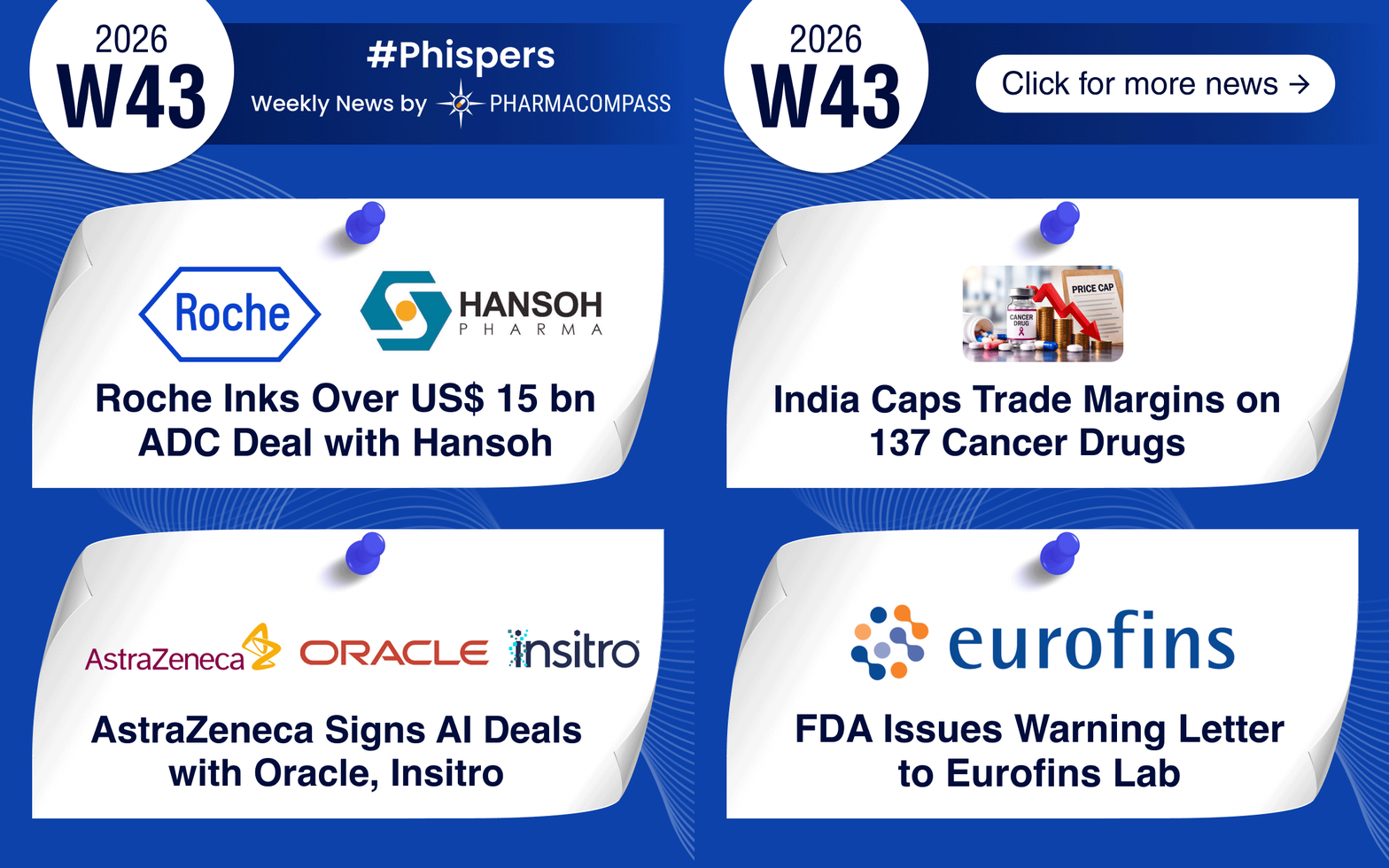
In Phispers this week, GSK scored two US Food and Drug Administration (FDA) approvals — its immunotherapy Jemperli (dostarlimab) was granted accelerated approval for treating a type of rectal cancer and Hibsago (bepirovirsen) was okayed for treating adults with chronic hepatitis B.In other approvals, FDA cleared an auto-injector of UCB’s Zilbrysq (zilucoplan) for treating generalized myasthenia gravis. It also approved Roche’s Enspryng (satralizumab) as an at-home injection for adults with thyroid eye disease (TED).After signing a license agreement last year for an investigational colorectal cancer treatment, Roche has signed another deal with China’s Hansoh. The deal spans a broad portfolio of antibody-drug conjugate (ADC) programs and is potentially worth up to US$ 15 billion.Gilead signed a deal with Vir Biotechnology to develop new treatments for solid tumors. And Merck KGaA agreed to acquire UK-based Silence Therapeutics for about US$ 1.3 billion.Drugmakers continued to sign deals with AI companies. AstraZeneca inked two AI deals — with Oracle and Insitro. Eli Lilly signed a deal with Metis TechBio.Meanwhile, India capped trade margins on 137 cancer drugs at 30 percent of the maximum retail price. This is likely to lead to a considerable drop in retail prices.In trials, Veradermics’ VDPHL01, an extended-release oral form of hair loss drug minoxidil, met all primary and secondary goals in a phase 3 trial.Roche signs second ADC deal with China’s Hansoh, potentially worth over US$ 15 bn Roche has signed a second deal with Hansoh Pharmaceutical to develop ADCs. The agreement spans a broad portfolio of ADC programs, including two preclinical ADCs from Hansoh along with multiple ADC programs based on Roche-proposed targets. Hansoh will receive US$ 400 million upfront and another US$ 110 million on the deal’s first anniversary. It is eligible for more than US$ 15 billion in milestones, plus tiered royalties.Merck to buy Silence Therapeutics: Merck KGaA has agreed to acquire UK-based Silence Therapeutics for about US$ 1.3 billion in order to strengthen its position in rare diseases. The acquisition will also give Merck access to RNA-targeting drug technology.Gilead inks up to US$ 1.9 billion deal with Vir: Gilead Sciences has signed a deal with Vir Biotechnology to develop new treatments for solid tumors. Vir will receive US$ 90 million upfront and is eligible for up to US$ 45 million in near-term preclinical milestones and up to US$ 1.74 billion in later milestones, along with tiered royalties.AstraZeneca inks AI deals with Oracle, Insitro; Lilly partners Metis TechBioAstraZeneca has signed an agreement with tech giant Oracle to use AI and real-world data for clinical trial recruitment, earlier diagnosis, and drug-safety monitoring. The two companies will work on cancer, cardiovascular, respiratory, immunology, and rare diseases.AstraZeneca has also partnered with US-based AI biotech Insitro to discover drugs for metabolic dysfunction-associated steatohepatitis (MASH), a severe form of fatty liver disease, and for cardiomyopathies (diseases of the heart muscle). Insitro will receive US$ 40 million upfront and up to about US$ 1.46 billion in development and commercial milestones.Lilly-Metis deal: Eli Lilly has partnered with Hong Kong-listed Metis TechBio, which uses AI to design lipid nanoparticles, tiny fat bubbles that carry genetic medicines such as mRNA into cells. The aim is to deliver drugs more precisely to specific tissues.FDA grants accelerated approval to GSK’s Jemperli to treat a type of rectal cancerFDA has granted accelerated approval to GSK’s Jemperli (dostarlimab) for adults with a specific type of rectal cancer. According to the company, Jemperli is now the first and only immunotherapy for patients with stage 2 and 3 microsatellite instability-high/mismatch repair deficient locally advanced rectal cancer.  “Patients with locally advanced rectal cancer often receive chemotherapy and radiation prior to surgery, which can affect bowel, urinary, and sexual function, as well as fertility,” FDA said.Approves GSK’s hepatitis B treatment: FDA has approved GSK’s Hibsago (bepirovirsen) for adults with chronic hepatitis B without cirrhosis. GSK licensed the drug from Ionis Pharmaceuticals. Hibsago is already approved in Japan.Meanwhile, GSK plans to cut up to 1,217 jobs at its three sites in Belgium that together contribute more than half of its global vaccine operations. The cuts are part of a US$ 2.5 billion global restructuring announced by CEO Luke Miels in July.India caps trade margins on 137 cancer drugs; prices may fall by up to 70 percentThe Indian government has capped trade margins on 137 cancer drugs at 30 percent of the maximum retail price. Trade margins are the markups that wholesalers and retailers add between the manufacturer’s price and the price patients pay. The government expects retail prices to fall by up to 70 percent from November 9, 2026.FDA warns Eurofins SF Analytical Labs over selective recording of testsFDA has issued a warning letter to Eurofins SF Analytical Laboratories’ contract testing site in Horsham, Pennsylvania, post an inspection performed in June. The site runs microbiological tests on drug ingredients and products for client companies. During the inspection, an analyst was seen leaving out results when bacterial colonies were too many to count. Even when the plates were cracked and desiccated, “the pour plate counts were recorded as within acceptable limits.” FDA said the company’s methods, facilities and controls do not conform to CGMP. Therefore, “the drug products you tested are adulterated..,” the letter said.FDA approves UCB’s Zilbrysq auto-injector for at-home use in myasthenia gravisFDA has approved an auto-injector for UCB’s Zilbrysq (zilucoplan), a once-daily treatment for adults with generalized myasthenia gravis, an autoimmune disease that causes muscle weakness. The device automatically delivers a set dose when pressed against the skin. UCB expects the auto-injector to be available in the first quarter of 2027.Okays at-home injection for thyroid eye disease: FDA has approved Roche’s Enspryng (satralizumab) for adults with thyroid eye disease (TED), an autoimmune condition in which tissue behind the eyes swells and pushes them forward. Patients or caregivers can inject Enspryng under the skin at home every four weeks during maintenance.Veradermics’ extended-release minoxidil pill for hair loss posts phase 3 win Veradermics’ VDPHL01, an extended-release oral form of minoxidil, met all primary and secondary goals in a phase 3 trial of more than 500 men with mild-to-moderate male pattern hair loss. The extended-release version is designed to avoid the heart-related side effects of existing oral minoxidil.

Impressions: 2037

https://dev1.pharmacompass.com/radio-compass-phisper/roche-inks-over-us-15-bn-adc-deal-with-china-s-hansoh-astrazeneca-signs-ai-deals-with-oracle-insitro

#Phispers by PHARMACOMPASS
22 Oct 2026

NEWS LIBRARY

16read-more
read-more

https://firstwordpharma.com/story/7835915

FIRSTWORD PHARMA
10 Aug 2026

https://www.pharmiweb.com/press-release/2026-03-26/ucb-receives-positive-chmp-opinion-for-new-zilbrysq-zilucoplan-pre-filled-pen-in-eu-for-adults-living-with-generalized-myasthenia-gravis

PHARMIWEB
26 Mar 2026

https://www.prnewswire.com/news-releases/ucb-to-unveil-new-data-for-rystiggo-rozanolixizumab-noli-and-zilbrysqzilucoplan-for-gmg-at-the-2025-aanem-annual-meeting-and-mgfa-scientific-session-302595949.html

PR NEWSWIRE
29 Oct 2025

https://www.prnewswire.com/news-releases/pantherx-rare-selected-by-ucb-as-the-exclusive-specialty-pharmacy-for-zilbrysq-zilucoplan-for-the-treatment-of-generalized-myasthenia-gravis-gmg-in-adult-patients-who-are-anti-acetylcholine-receptor-achr-antibody-positive-302031436.html

PR NEWSWIRE
10 Jan 2024

https://www.prnewswire.com/news-releases/zilbrysq-zilucoplan-is-now-commercially-available-in-the-us-for-the-treatment-of-generalized-myasthenia-gravis-gmg-in-adult-patients-who-are-anti-acetylcholine-receptor-achr-antibody-positive-302025019.html

PR NEWSWIRE
03 Jan 2024

https://www.prnewswire.com/news-releases/ucb-announces-us-fda-approval-of-zilbrysq-zilucoplan-for-the-treatment-of-adults-with-generalized-myasthenia-gravis-301959745.html

PR NEWSWIRE
17 Oct 2023
digital-content133083018##p